
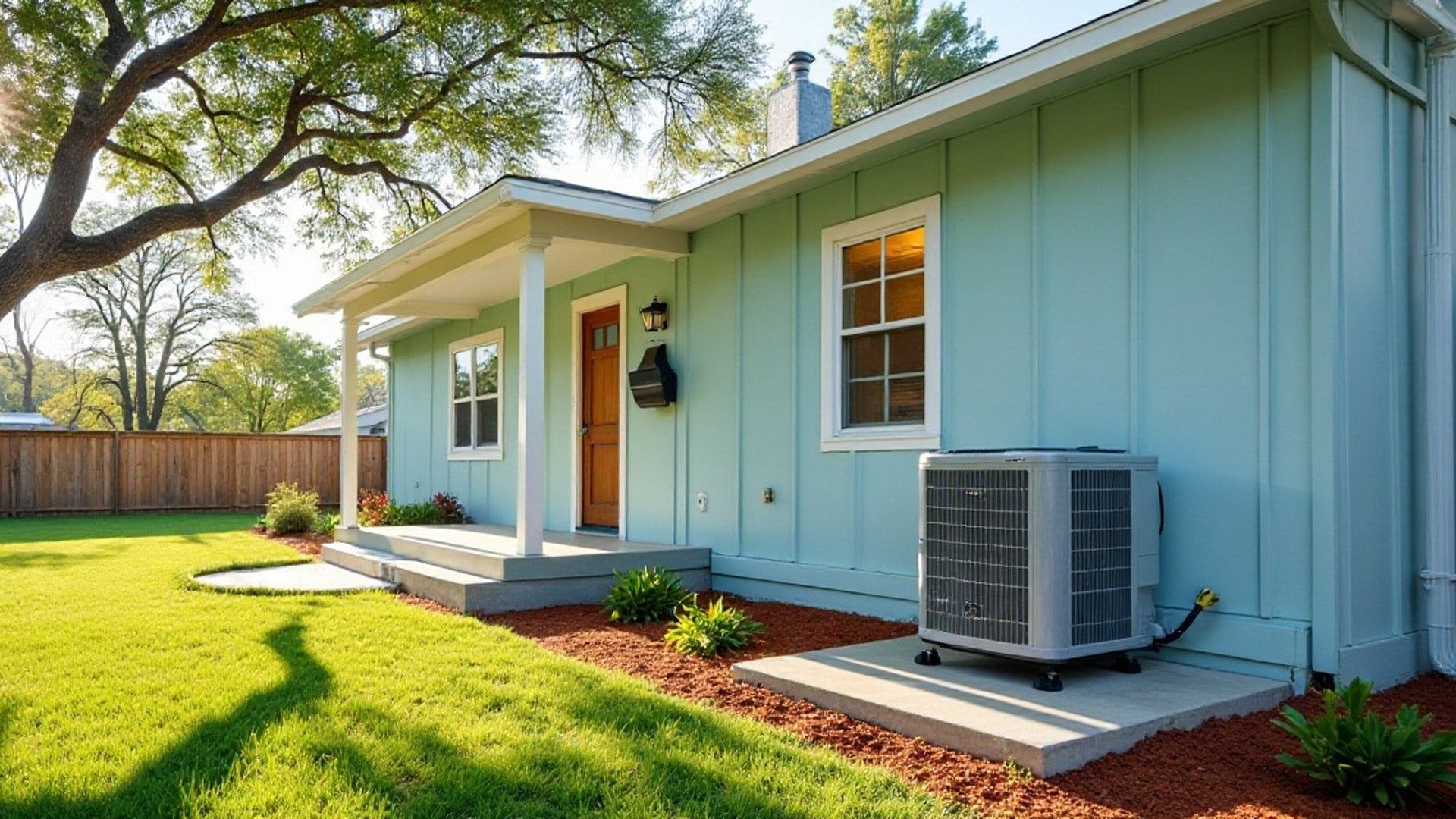
Austin Energy HVAC rebates are one of the few incentives left for a heating and cooling upgrade in this part of Texas now that the federal tax credit is gone. They are also easy to miss: the money only flows when the right utility, the right equipment, the right contractor and the right paperwork all line up. This guide walks through each of those in order.
A note on numbers before anything else. Austin Energy changes its rebate amounts, efficiency thresholds and program budgets from time to time. Where this page gives a figure, it is the figure as published by Austin Energy and found in October 2026, with the source listed at the bottom. If a figure only appeared on a secondary site, the page says so. Before you sign anything, confirm the current rule on savings.austinenergy.com (opens in a new tab).
Step zero: is Austin Energy actually your utility?
Living in the Austin area does not make you an Austin Energy customer. The city-owned utility serves Austin and a number of neighboring communities, but the map is patchy, and two houses a mile apart can be on different systems.
- Oncor delivers power across much of Round Rock and parts of the northern suburbs. Customers there buy electricity from a retail provider and look to Oncor and that provider for programs.
- Pedernales Electric Cooperative covers large areas of western Travis County and the Hill Country toward Dripping Springs.
- Bluebonnet Electric Cooperative serves areas to the east and southeast, including parts of the Manor area.
- Georgetown runs its own municipal electric utility with a separate rebate program.
- Mixed cities. Pflugerville, Cedar Park, Lakeway, Buda and Manor include addresses on more than one utility. The City of Lakeway, for example, lists several electric providers for its residents.
The fastest answer is the name printed on your electric bill. If it does not say Austin Energy, nothing else on this page applies to you, and your own utility's website is the place to start.
What Austin Energy rebates can cover
Austin Energy groups its residential offers under its Power Saver program. For heating and cooling, the ones that matter are the stand-alone rebate for a new air conditioner or heat pump, the whole-home Home Energy Savings program, a lighter Home Energy Savings Essential option built around insulation and air sealing, and the Power Partner thermostat program.
The stand-alone AC rebate has been described on Austin Energy's own page as averaging about $800, with the amount set by an efficiency tier. Its published conditions include using an Austin Energy participating contractor, replacing existing equipment rather than adding a new system, and both the house and the system being replaced being 10 years old or older.
The whole-home program is where the larger amounts sit. Austin Energy describes Home Energy Savings rebates as averaging about $3,000, paired with access to 0% financing, for projects that combine several upgrades such as HVAC replacement, duct sealing or replacement, attic insulation, air sealing and solar screens.
Eligibility at a glance
A summary of the main heating and cooling offers for Austin Energy residential customers. Amounts are as published by Austin Energy and found in October 2026; programs and figures change, so confirm on savings.austinenergy.com before you buy.
| Program | Who it suits | Key published requirements | What Austin Energy describes | Who files |
|---|---|---|---|---|
| AC and heat pump rebate | An owner replacing one worn-out system | Participating contractor; replacement only; home and old system both 10+ years old; efficiency tier met; systems with electric resistance heating elements excluded | Rebate averaging about $800, set by tier | The participating contractor |
| Home Energy Savings | An owner ready to fix the whole envelope, not just the unit | Home 10+ years old; at least three qualifying improvements for the financing; participating contractor | Rebates averaging about $3,000, plus access to 0% financing | The participating contractor |
| Home Energy Savings Essential | A home that mainly needs insulation and air sealing | Home 10+ years old; participating contractor | Rebates averaging about $1,500 | The participating contractor |
| Power Partner thermostats | Anyone with central AC and Wi-Fi | An eligible smart thermostat enrolled in the program, which allows brief adjustments on a handful of peak days | An $85 bill credit per enrolled thermostat, plus a $25 rebate on a qualifying new thermostat | You, online |
| Weatherization Assistance | Income-qualified households, owners or renters | Enrolled in the Customer Assistance Program, or on the Medically Vulnerable Registry and at or under 80% of median family income; home over 10 years old and 2,500 square feet or smaller | Free improvements such as insulation, duct repair and sealing and AC inspection and cleaning; a per-home cap raised to $15,000 in 2026 | Austin Energy's program staff |
Secondary sources in 2026 list tier amounts for the AC and heat pump rebate that disagree with each other by several hundred dollars. They are not repeated here. Your participating contractor should be able to print the current tier table and point to the line your proposed system meets.
The claim timeline, from first quote to rebate
Utility rebates fail most often on order of operations: the wrong equipment gets installed, or the contractor turns out not to be enrolled, and nobody finds out until the application is rejected. Here is the sequence that keeps you out of that hole.
- Confirm the utility and the age rules. Austin Energy on the bill, a house at least 10 years old, and an existing system at least 10 years old if you are going after the stand-alone AC rebate.
- Read the current program page. Note the efficiency tiers and exclusions on savings.austinenergy.com on the day you start shopping, and save a copy. Programs can change mid-year.
- Get quotes from participating contractors. Austin Energy publishes its participating contractor list and has recommended getting at least three estimates. Each company should be able to show its TDLR air conditioning and refrigeration contractor license number.
- Pin down the equipment before you sign. The quote should list the outdoor and indoor model numbers, the matched rating, the tier it qualifies for, and whether the system includes electric resistance heat. If it does, ask in writing how that affects eligibility.
- Ask who receives the rebate and how. Find out whether it will be paid to the Austin Energy account holder or credited on the invoice, and get the answer on the quote.
- Installation, permit and inspection. Inside Austin city limits, replacing a heating or cooling system needs a mechanical permit and a city inspection. Keep the permit number with your paperwork.
- The contractor submits the application. Contractor sites report a window of about 90 days from installation for this. Ask the company to confirm the date it filed.
- Austin Energy verifies. The program may review the paperwork or inspect the installation before paying. Agreeing to that is part of the deal.
- File everything together. Invoice, model numbers, permit, rebate confirmation. You will want them again if you sell, because of ECAD, below.
Want a quote from a licensed local company? Call the free line, and ask the company you are put through to whether it is an Austin Energy participating contractor before you book the visit.
Where a rebate dollar does the most good
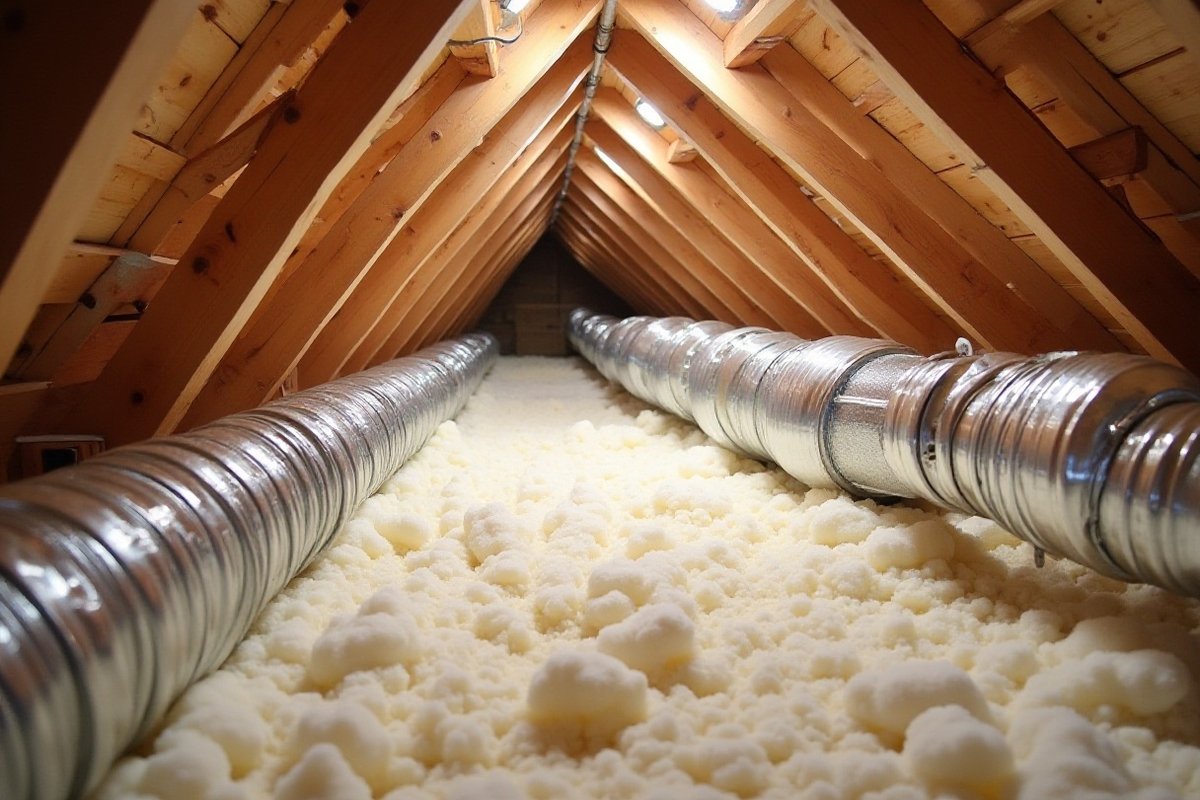
It is tempting to chase the highest efficiency tier because it carries the largest equipment rebate. In many older Austin houses the better money is above the ceiling. Many Austin houses built before the energy codes tightened have ducts and an air handler in a vented attic that can run far hotter than the outdoor air in August. Leaky ducts there pull in attic air, push conditioned air into the rafters, and make any air conditioner look undersized.
That is why Austin Energy's whole-home program bundles duct sealing, attic insulation and air sealing with the equipment. Fix the envelope first and the load calculation for the new system often comes out smaller, which means a smaller, cheaper unit that runs longer, steadier cycles and pulls more humidity out of the air. A good contractor will run that Manual J calculation after accounting for the envelope work, not before.

Questions to put to the participating contractor
- Are you on Austin Energy's current participating contractor list for this program, and what is your TDLR license number?
- Which tier does this exact matched system meet, and can you show me the line in the current table?
- Does the system include electric resistance heat strips, and does that affect the rebate?
- Will the rebate come off the invoice, or be paid to me after approval?
- Is the permit included, and who schedules the city inspection?
- If this is a whole-home project, which three or more improvements are you proposing, and what does each cost on its own?
The answers belong on paper. A rebate figure on a quote is the contractor's estimate, not Austin Energy's commitment.
If money is tight: the income-qualified route
Weatherization Assistance
Austin Energy's Weatherization Assistance Program makes energy improvements at no cost to qualifying households. As published, a household must be enrolled in Austin Energy's Customer Assistance Program, or be on the Medically Vulnerable Registry and at or under 80 percent of median family income. The home must be more than 10 years old and no larger than 2,500 square feet, and must not have gone through this program or Home Energy Savings in the past 10 years. Both owners and renters can apply. In 2026 Austin Energy raised the per-home project cap to $15,000.
Financing through Velocity Credit Union
For Home Energy Savings projects, Austin Energy works with Velocity Credit Union on a loan the credit union describes as 0% through September 30, 2027, from $1,500 to $25,000 over terms up to 120 months, for owners of homes at least 10 years old served by Austin Energy. It requires at least three qualifying improvements and has credit requirements. Read the full terms on the credit union's page before relying on them.
The federal credit is gone
Quotes written in 2024 and 2025 often subtracted a federal tax credit of up to $2,000 for a heat pump. That was Section 25C, the Energy Efficient Home Improvement Credit, and the One Big Beautiful Bill Act, signed July 4, 2025, ended it for property placed in service after December 31, 2025. If your system was up and running by that date you can still claim it on your 2025 return using IRS Form 5695. For anything installed in 2026, there is no federal credit to take. If a proposal still shows one, ask the company to re-run the numbers without it.
That leaves the utility rebate as the main incentive for Austin Energy customers, and it also removes any reason to rush. There is no federal deadline to beat.
ECAD: the rebate that pays you back at sale time
Austin's Energy Conservation Audit and Disclosure ordinance requires sellers of homes inside city limits, served by Austin Energy and at least 10 years old, to get an energy audit and give the results to the buyer before the option period ends. The audit is done by an ECAD energy professional and is valid for 10 years. Skipping it can bring a fine of $500 to $2,000.
Rebate history can take you out of it. Austin Energy lists an exemption for homes that, within the past 10 years, made three or more energy efficiency improvements or received at least $500 in residential efficiency rebates, and completed Home Energy Savings projects issue a participation document that exempts the home for 10 years. If you are replacing a system now and may sell within a decade, that is one more reason to route the job through the program and keep the paperwork. The HVAC inspection page covers what buyers and sellers look at.
Power Partner: the smallest, quickest rebate
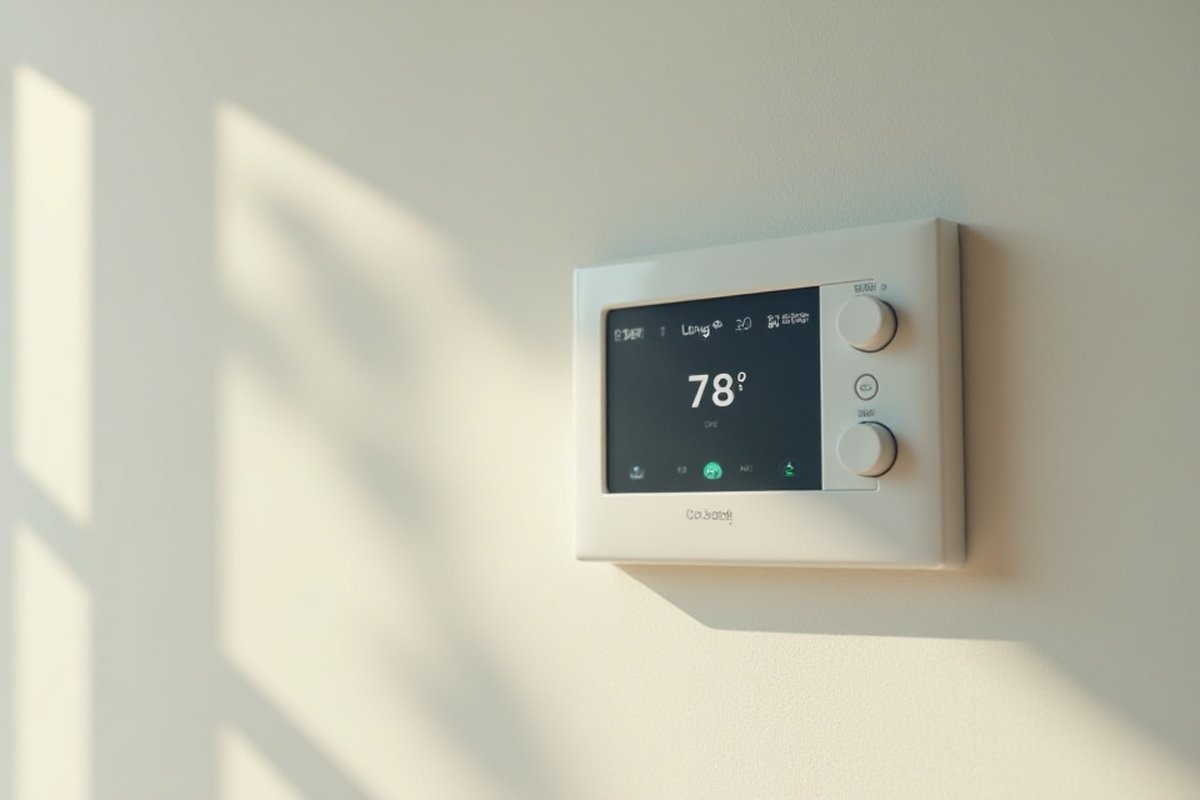
If a full replacement is years away, the thermostat program is the one you can do this week. Austin Energy pays an $85 bill credit for each eligible smart thermostat enrolled in Power Partner and has offered a $25 rebate on a qualifying new smart thermostat. In return, on a handful of peak-demand days, the utility can nudge your setting up for a few hours. Read the program terms for how events work and whether you can opt out of one. It is also worth reading the eligible device list before you buy one, because not every model is accepted.
- Call any hourAn automated assistant answers (737) 378-9016 and asks whether it is about cooling or heating.
- Describe the problemGive your name, a callback number, your city or ZIP and what the system is doing.
- Get put throughThe call goes to an independent, locally owned HVAC company, which hears a short summary before it picks up.
- Deal with them directlyThat company diagnoses, quotes, does the work and is paid by you. If it cannot answer, it gets your details to call back.
How this line works: Austin AC Service is a free phone line, not an HVAC company. It does not repair, install, quote or schedule work and holds no license. Calls are transferred to independent, locally owned HVAC companies that hold Texas air conditioning and refrigeration contractor licenses. Those companies may pay Austin AC Service a referral fee. You never pay the line. How it works.
Check any license yourself. Texas air conditioning and refrigeration contractors are licensed by the Texas Department of Licensing and Regulation. Ask for the license number and look it up at tdlr.texas.gov (opens in a new tab).
Related services and guides
AC Installation and Replacement
Repair or replace, sizing by load calculation, the R-454B refrigerant change, permits, and Austin Energy rebates.
HVAC Maintenance and Tune-Ups
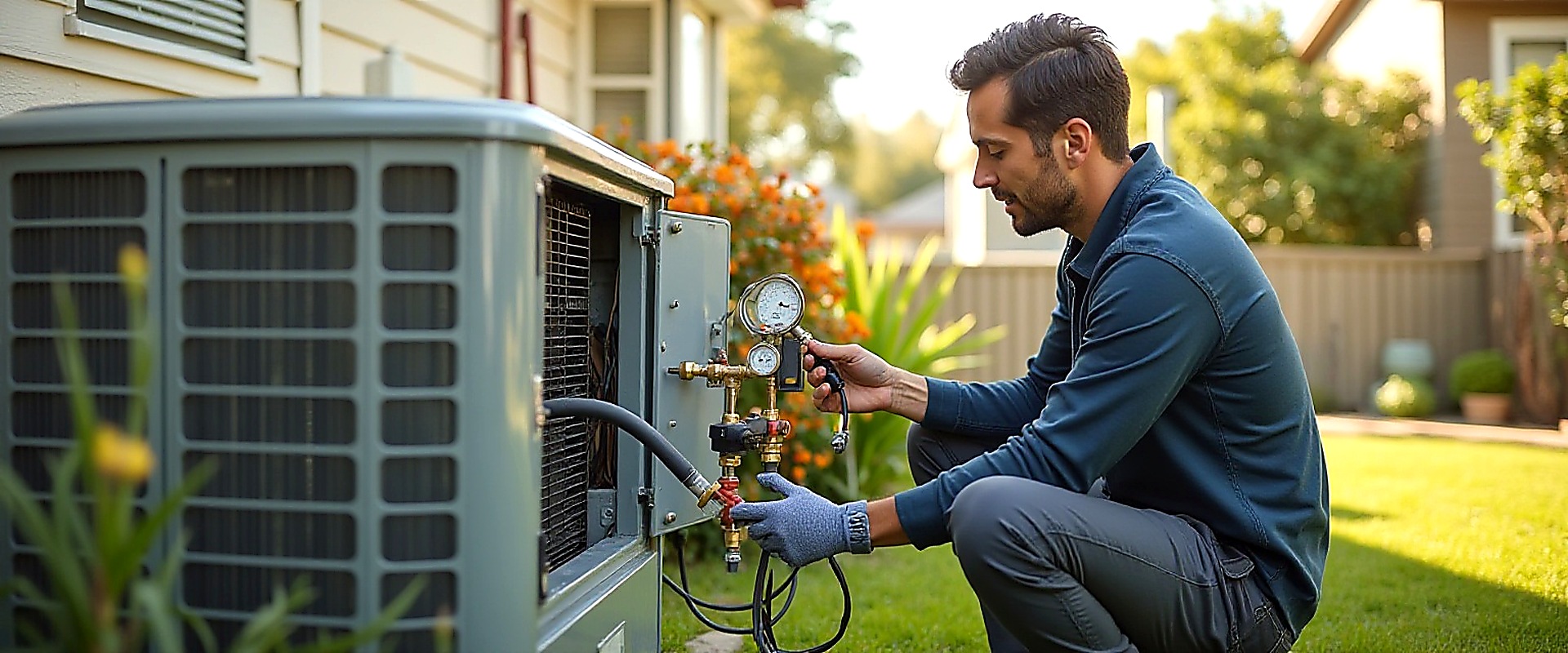
A spring cooling check before the heat and a fall heating check before the first freeze, and what a real tune-up includes.
HVAC Inspection
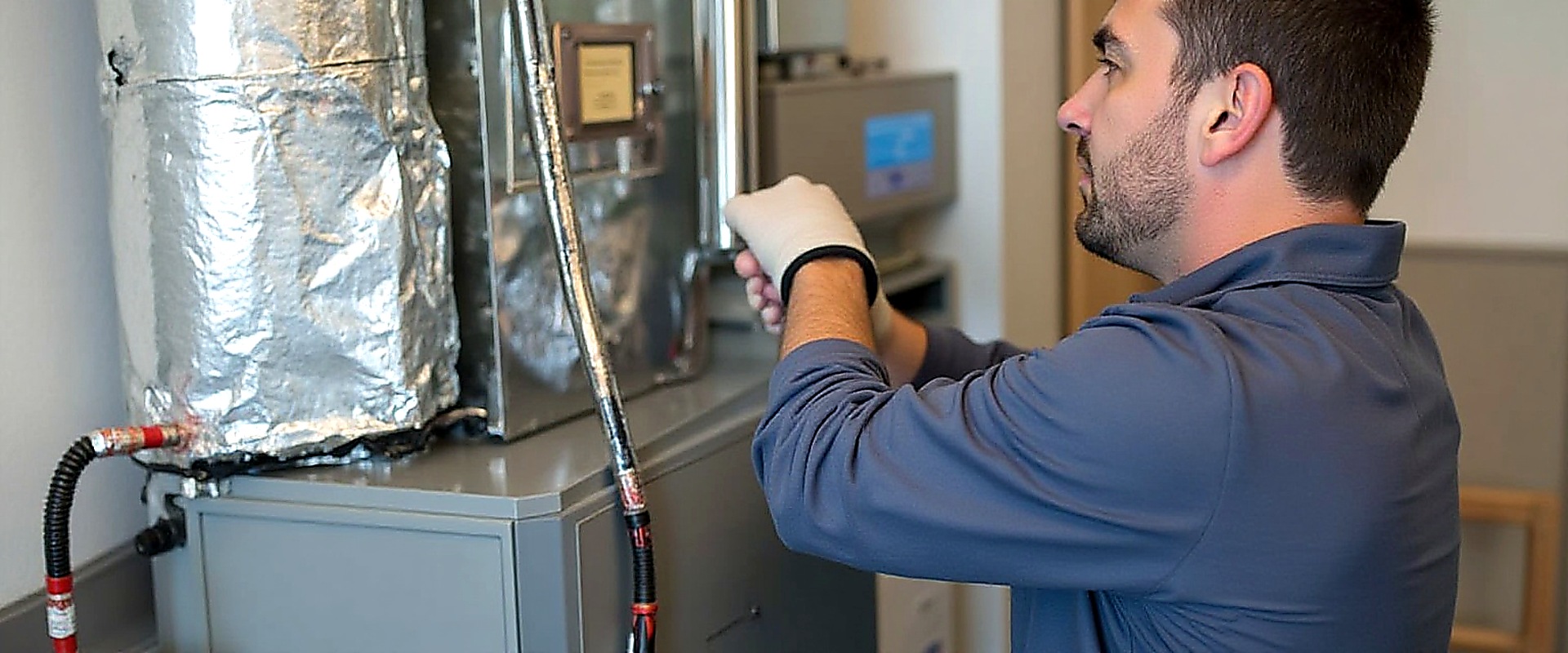
Buying or selling a home, the Austin Energy ECAD audit, and what an HVAC inspection looks at that a general home inspection may not.
Shopping for a replacement? Read how to choose an HVAC company in Austin before you collect quotes, and the free refrigerant guide for what the switch to R-454B means for the system you buy.