
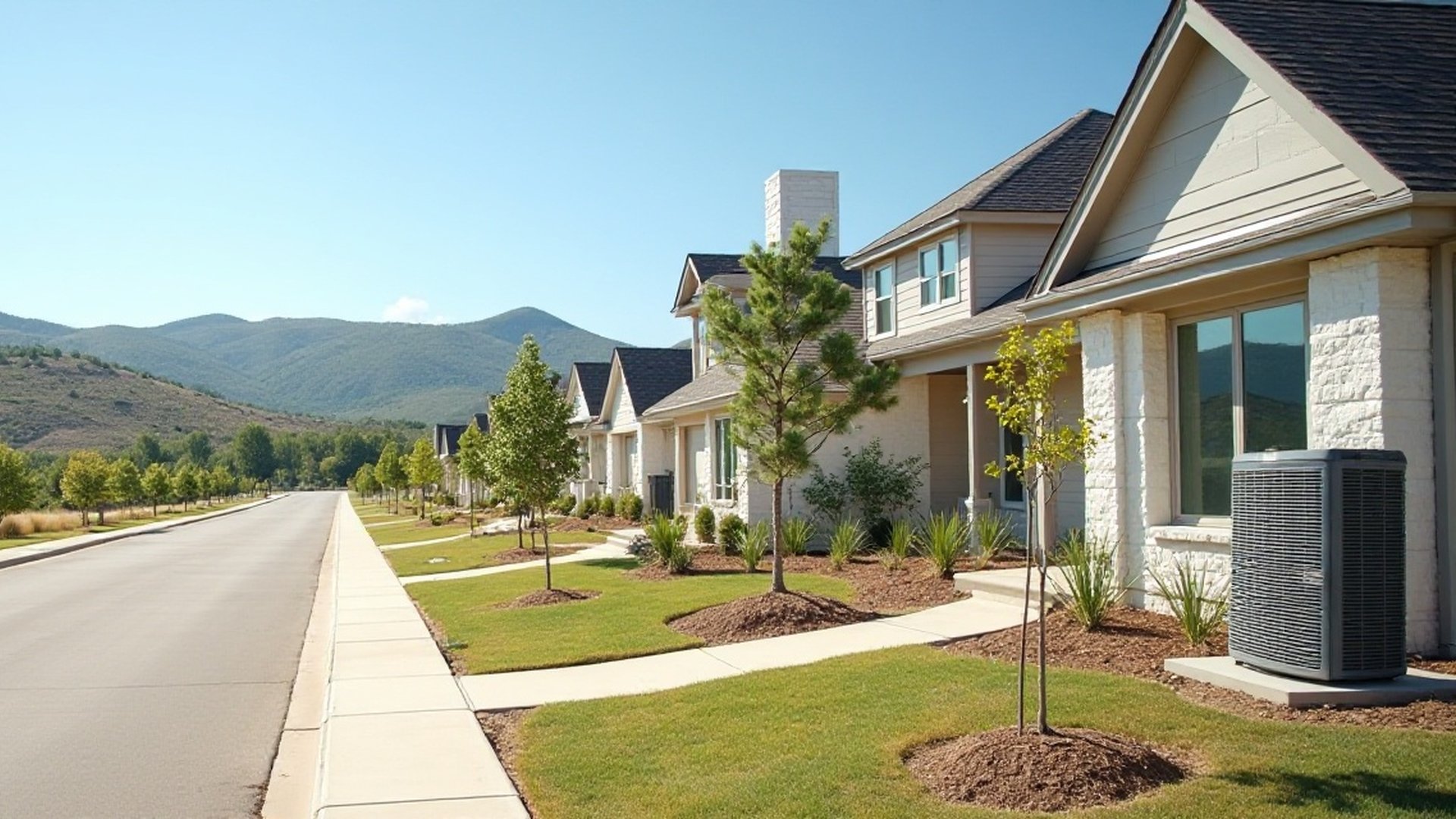
Searching for AC repair in Leander, TX usually means one of two things. Either a fairly new system has quit on a hot afternoon, or the system runs fine but one side of the house never gets comfortable. Both are common in a city where so much of the housing is recent. This page covers how to sort out warranty coverage, what is behind rooms that will not cool, who supplies your power, and how the free line gets you to a licensed company.
Austin AC Service does not send anyone to your house. It is a free phone line. Call (737) 378-9016 at any hour, answer a few questions from the automated assistant (cooling or heating, name, number, ZIP, what the system is doing) and the assistant passes you to an independent HVAC outfit, locally owned, that takes jobs in Leander. That company does the diagnosis, the quote and the repair, and bills you directly.
Leander AC repair in a city that is still being built
Leander has spent the past decade near the top of the national growth tables: in 2023, U.S. Census Bureau estimates ranked it and neighboring Georgetown among the fastest-growing cities in the country. Drive north on US 183 or out along Ronald Reagan Boulevard and the reason is obvious. Subdivision after subdivision has gone up on former ranchland, and the commuter rail line to downtown Austin ends here, at Capital Metro's Leander station.
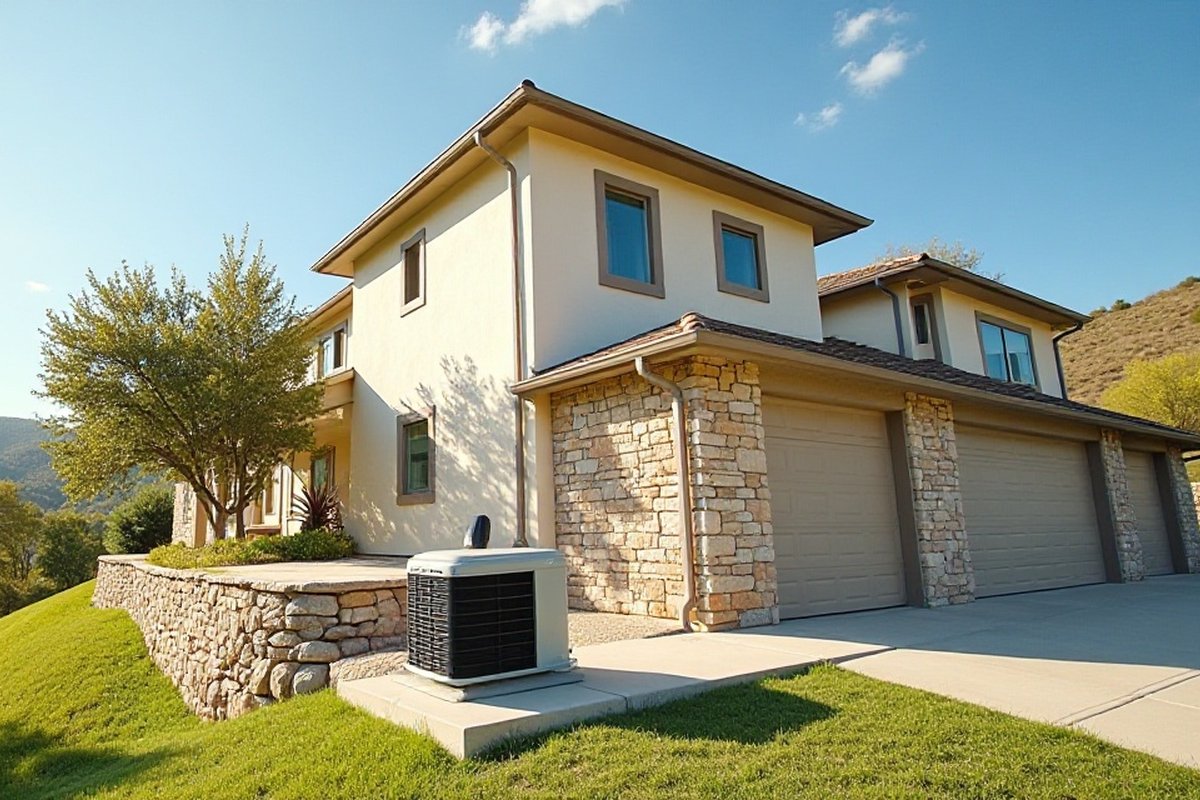
That youth changes the usual service call. There are fewer worn-out 20-year-old units than in central Austin and more questions about warranties, builder ductwork and first-summer failures. The west side of town also climbs into rocky Hill Country terrain, where homes on open slopes take full sun and wind, and the outdoor unit gets no help from the landscaping for years after the house is finished.
Is this repair covered? Four kinds of coverage, four different calls
Before anyone opens the unit, work out which of these applies. The answer decides who you call and what you pay. Your closing documents and the sticker or paperwork near the indoor unit are the place to start.
Builder warranty
Most new homes come with a written builder warranty, and many cover mechanical systems for a limited period after closing. If you are still inside it, the warranty may require you to report the problem to the builder and use the builder's contractor. Read it before calling anyone else, because outside repairs are often not reimbursed.
Manufacturer equipment warranty
The maker of the condenser, coil and furnace or air handler warrants the parts, often for longer if the equipment was registered. It rarely covers labor or refrigerant. Any licensed company can check coverage from the model and serial numbers.
Installer workmanship warranty
If you replaced the system yourself, rather than inheriting the builder's, the installing company may cover its own labor for a stated period. Call that company first and ask what its paperwork says.
Home warranty or nothing
A home warranty plan works through its own claims process and its own contractors. If none of these apply, it is a normal paid repair. Ask for the diagnosis and price in writing before work starts.
If the builder is slow to respond and the house is getting dangerously hot, especially with infants, older adults or anyone with a medical condition at home, safety comes first. You can call the line any hour; tell the company you are put through to that the home is under a builder warranty so it can advise you.
When the bonus room or back bedroom never cools
A common complaint in new Leander houses has nothing to do with a broken part. The system runs, the thermostat in the hallway is satisfied, and the upstairs game room or the west-facing bedroom is four or five degrees warmer. That usually points to how the air is delivered, not how much cooling the equipment makes.
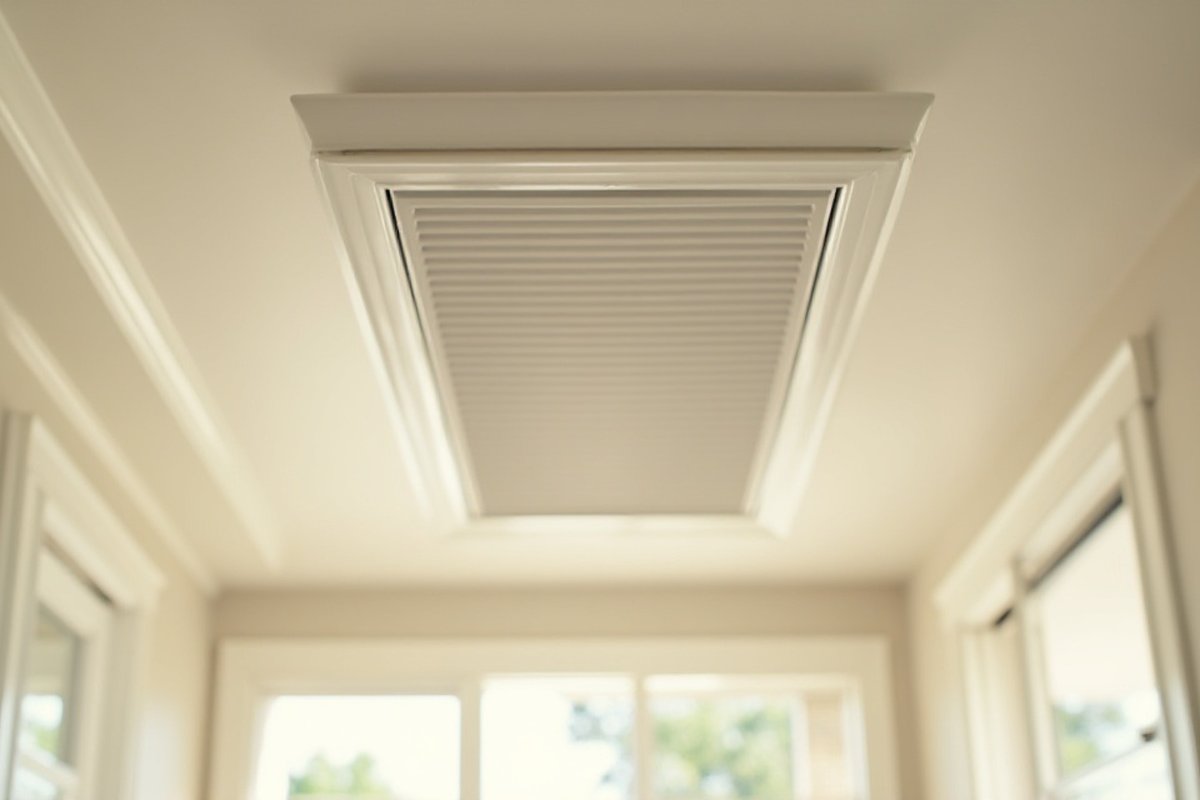
- Long or crushed flex duct runs to the far rooms, so less air arrives than was designed.
- No return air path from a bedroom with the door closed, which starves the room of airflow.
- A single thermostat for two floors, so the upstairs heat load never gets counted.
- Attic heat. Ducts in a Texas attic in August run through air far hotter than outside, and any leak or thin insulation shows up most in the rooms at the end of the line.
What a good technician should do: measure airflow and temperatures at the problem room and at the system, look at the duct runs in the attic, and explain whether the fix is balancing dampers, a new return, a duct repair or something larger such as zoning. Be wary of anyone whose first answer is a bigger unit. An oversized system cools the thermostat's hallway even faster and leaves the far rooms just as warm, and humid besides. The duct page covers what is worth paying for in ductwork and what is not.
Safe checks first
- Thermostat. Mode on Cool, setpoint under the current indoor reading, batteries not dead. On a new smart thermostat, check that a schedule or eco mode has not taken over.
- Air filter. Builders sometimes leave the construction filter in place. Replace it if it is dusty.
- Supply vents and returns open and not blocked by furniture or rugs.
- Breakers. Reset a tripped AC breaker once. A second trip means stop and call.
- Drain line and float switch. Look where the PVC drain exits outside and at any pan under the indoor unit. Drywall dust and construction debris clog new drains surprisingly often.
Checked these and the house is still warm? Call any hour. The company you are put through to diagnoses the system and prices the work before it starts.
Newest homes, newest refrigerant
Under the EPA's refrigerant rules, new residential AC and heat pump systems made from 2025 on use a lower-impact refrigerant, in practice R-454B or R-32. Both are classed A2L, mildly flammable, and they come with updated handling and installation requirements. A Leander house finished in 2025 or 2026 may well have one of these systems, while a house from a few years earlier almost certainly runs on R-410A.
For you, that means two things. Refrigerants are not interchangeable, so a technician must work with what your system was built for. And when you call, it helps to know which one you have: it is printed on the label of the outdoor unit. The free refrigerant guide explains the change in detail.
Power, gas and permits in Leander
- ElectricityYour bill names your provider; across the western suburbs that is often Pedernales Electric Cooperative, a member-owned co-op, though not at every address. Leander is not among the communities Austin Energy lists in its service area, so its rebates do not apply. Ask whichever provider is on your bill what it currently offers before a replacement.
- GasIf the house has a gas furnace, keep the gas company's emergency number from your bill handy. Any smell of gas means walk out first and only then phone the gas company or 911.
- PermitsThe City of Leander handles building permits and inspections inside city limits. On a full system replacement the licensed installer normally pulls the permit; ask whether it is in the quote. Repairs that swap a failed part usually do not need one.
- CountyLeander is in Williamson County, which matters if your address is outside city limits and the city's permit office does not apply.
Why Leander homeowners call the line
The warranty ran out, or never applied
Once the builder's coverage ends, many owners have no regular HVAC company. The line puts you through to a licensed local one without a search.
A second opinion on a new house
When a builder's contractor keeps saying the system is fine and the bedroom is still 80 degrees, an independent company can measure airflow and give you its own written findings.
Moved in from somewhere else
A city growing this fast is full of people who have never hired an HVAC company in Texas. Companies reached through the line all carry a current state ACR contractor license, searchable by anyone at tdlr.texas.gov.
Late at night, at no cost
The automated assistant answers every hour of every day, and the call never costs the caller anything. You only pay the company for work you approve.
Services Leander callers use
New-home owners lean on maintenance to keep a young system under warranty terms and to catch drain and charge issues early. Older Leander homes, from before the boom, are more likely to need AC repair or a replacement. Heat pumps and gas furnaces both need attention before the first freeze; see heating repair. When it cannot wait, there is emergency AC and heating repair.
- Call any hourAn automated assistant answers (737) 378-9016 and asks whether it is about cooling or heating.
- Describe the problemGive your name, a callback number, your city or ZIP and what the system is doing.
- Get put throughThe call goes to an independent, locally owned HVAC company, which hears a short summary before it picks up.
- Deal with them directlyThat company diagnoses, quotes, does the work and is paid by you. If it cannot answer, it gets your details to call back.
How this line works: Austin AC Service is a free phone line, not an HVAC company. It does not repair, install, quote or schedule work and holds no license. Calls are transferred to independent, locally owned HVAC companies that hold Texas air conditioning and refrigeration contractor licenses. Those companies may pay Austin AC Service a referral fee. You never pay the line. How it works.
Check any license yourself. Texas air conditioning and refrigeration contractors are licensed by the Texas Department of Licensing and Regulation. Ask for the license number and look it up at tdlr.texas.gov (opens in a new tab).
Nearby areas
Other cities the line covers: