
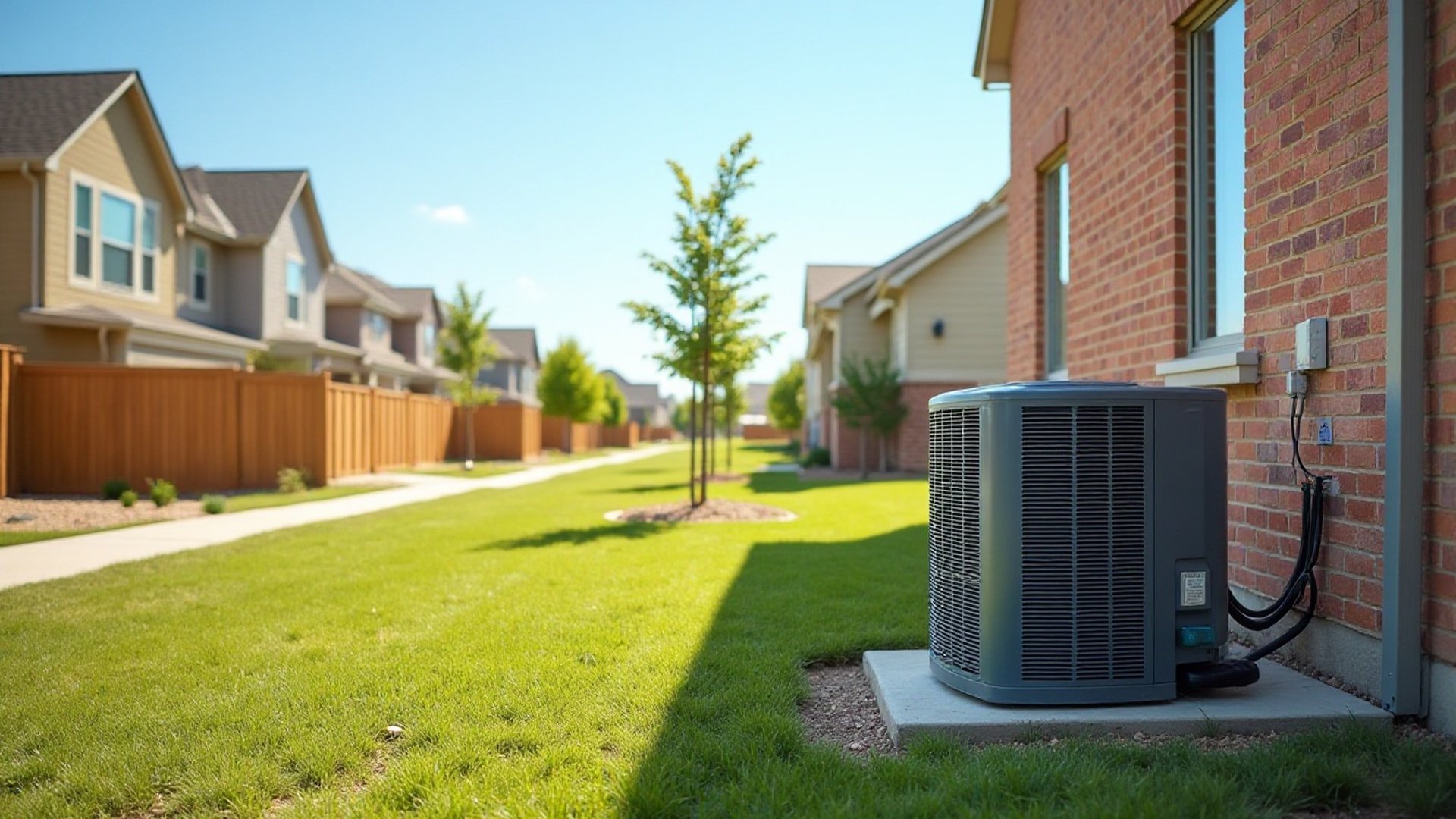
AC repair in Kyle, TX usually starts with a newer house. In 2000 the census counted 5,314 people in Kyle. In 2020 it counted 45,697, and the Census Bureau's estimate for July 2024 was about 65,800. That kind of growth means rows of homes whose air conditioners were installed within a few years of each other, under the same Hays County sun, and now age together.
Austin AC Service is not an HVAC company and does no repairs. It is a free phone line. Dial (737) 378-9016 and an automated assistant picks up, sorts the call into cooling or heating, and collects who you are, a number to reach you, your Kyle ZIP and what the equipment is doing. Then it connects you with an independent, locally owned HVAC contractor covering that part of Hays County, which handles the diagnosis, the quote and the bill.
Air conditioning in Kyle: young houses, same-age systems
Kyle began in 1880 as a railroad stop. David E. Moore and Fergus Kyle deeded 200 acres for a townsite to the International-Great Northern Railroad, and lots were auctioned that October under a live oak on what is now South Sledge Street. For more than a century it stayed small. The change came with Plum Creek, whose development agreements with the city were signed in 1997 and whose first homes went up in 1999, and then with dozens of subdivisions spreading out from I-35.
Housing data drawn from the Census Bureau's American Community Survey puts the share of Kyle homes built since 2000 at about 87 percent, with the median home built around 2008 to 2010. For air conditioning that has two consequences. The first wave of systems, installed in the early 2000s, is now at an age where a big repair deserves a side-by-side replacement price. And the newest homes are often still inside a builder or manufacturer warranty, which changes who you should call first.
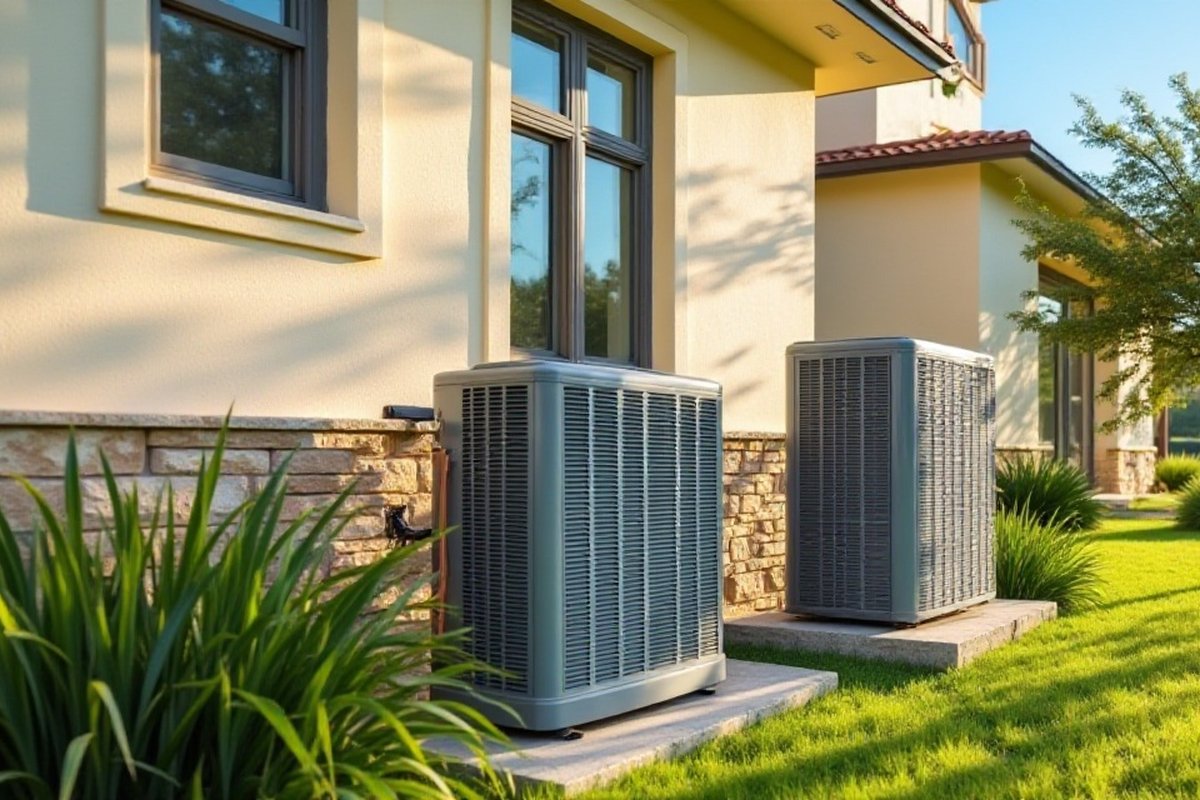
Warranty call or repair call? Start with the age of the house
Texas stopped regulating new-home warranties when the Legislature let the Texas Residential Construction Commission expire in 2009, so the terms are whatever your builder's contract says. Many builders still use a one-year, two-year, ten-year pattern. Use this as a rough guide, then read your own paperwork.
| When the house was built | What usually applies | First call |
|---|---|---|
| Within the last year | Builder workmanship warranty, often plus a mechanical systems period; manufacturer parts warranty on the equipment | The builder's warranty request process. Keep photos and dates. |
| One to two years old | Often still inside a two-year mechanical systems term, if your builder offers one | Check the warranty document, then the builder |
| Two to about ten years old | Builder coverage usually over; manufacturer parts warranty may still apply if the equipment was registered | An independent HVAC company. Ask whether the failed part is still covered by the manufacturer. |
| Built 1999 to about 2010 | Original equipment, if still in place, is past most parts warranties | An HVAC company, with a repair price and a replacement price side by side for any major failure |
Even inside a builder warranty, the house cannot always wait. If it is 98 degrees inside and the builder's process takes days, ask the builder in writing whether an outside repair would affect your coverage. Then decide.
Services Kyle homeowners ask about most
Kyle's housing stock shapes which calls come up. These pages explain each one in more depth.
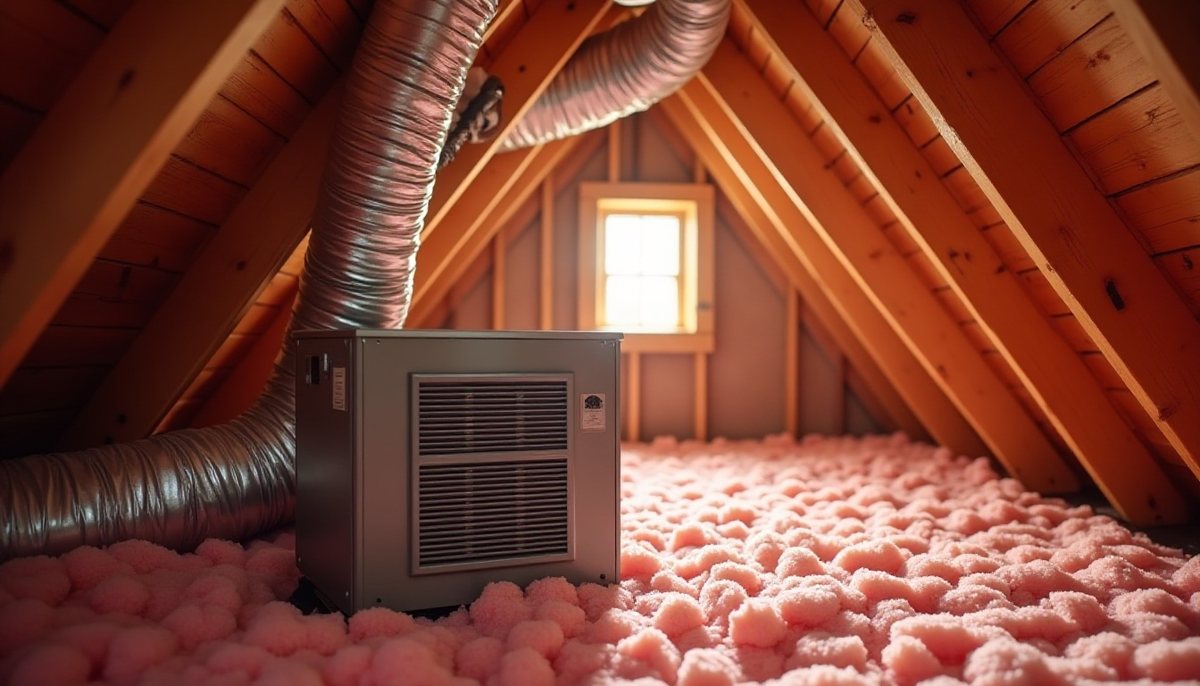
- AC repair. Warm air, a humming outdoor unit, ice on the lines, water through a ceiling. On a production-built home the indoor unit is very often in the attic, so drain problems show up as stains on the ceiling below it.
- AC replacement. Homes from Kyle's first growth wave are now old enough that a failed compressor or a leaking coil raises the replace question. Since 2025, new systems use refrigerants such as R-454B, so a new outdoor unit generally needs a matching indoor coil.
- Maintenance and tune-ups. A spring check before the first long run of 100-degree days, and a heating check in fall.
- Heating repair. Many Kyle homes heat with a heat pump or a gas furnace that runs only a few weeks a year, then gets asked to carry the house through a hard freeze.
- HVAC inspection. For buyers and sellers, a separate look at the equipment's age, condition and installation is worth having on a resale home.
Why Kyle homeowners call the line
- Several homes, one age, one bad week. When the systems on a street were installed the same year, they tend to hit the same wear points together. In a heat wave that can mean a long wait for companies everyone already knows. The line answers at any hour and puts you through to a local company with no searching.
- A licensed company, with a number you can check. Each contractor on the other end of the line carries a current TDLR air conditioning and refrigeration license, and the City of Kyle requires the contractor on permitted HVAC work to be TDLR-licensed and registered with the city. You can look any license up at tdlr.texas.gov.
- Second opinions after the warranty ends. Owners of homes that have just aged out of builder coverage often want an independent diagnosis before agreeing to a replacement. Ask the company you are put through to for both prices.
- It costs nothing. The call is free. You pay only the HVAC company, for work you approve after it quotes.
What a good technician looks at in a Kyle tract home
Production homes are built quickly and in volume, which is not a criticism, only a reason to check certain things first. A careful technician does not stop at the outdoor unit.
In the attic
- Flexible ducts that are kinked, crushed or sagging between supports, which starves the far bedrooms
- The condensate drain, its safety switch and the secondary pan under the air handler
- Duct connections at the plenum, where a loose joint dumps cooled air into a hot attic
Outside and at the thermostat
- Capacitor and contactor tested against their ratings, under load
- Refrigerant charge measured against the manufacturer's method, never just topped off
- Whether the system is the size the house needs; an oversized unit cools fast but leaves the air clammy
Before you call, a few checks are safe for anyone: the thermostat set to Cool and below room temperature with fresh batteries, the air filter, a tripped breaker reset once (never twice), leaves and grass cleared from around the outside of the condenser with the power off, and a look at where the drain line exits the house. Anything involving refrigerant, wiring or the electrical parts inside either unit belongs to a licensed technician.
Kyle at a glance: power, gas, water and permits
- CountyHays County. Kyle sits on I-35 roughly 20 miles south of downtown Austin, between Buda and San Marcos.
- ElectricityPedernales Electric Cooperative, per the City of Kyle's economic development office. Austin Energy rebates do not apply here.
- Natural gasCenterPoint Energy or Texas Gas Service, depending on the address. A gas odor in a Kyle home means leaving right away and reporting it to the gas utility or 911 from the street.
- WaterThe City of Kyle or one of several other providers, depending on the address. The city blends Edwards Aquifer, Carrizo-Wilcox and surface water supplies.
- PermitsThe City of Kyle requires a permit for most HVAC repairs and for all new and replacement equipment. The contractor must be TDLR-licensed and registered with the city.
- Local identityKyle promotes itself as the Pie Capital of Texas.
After a flood or a freeze
Hays County knows high water. Over Memorial Day weekend in 2015 the Blanco River rose from about 5 feet to more than 40 feet in a few hours upstream at Wimberley, and hundreds of homes in the county were damaged or destroyed. If floodwater ever reaches your outdoor unit or an indoor unit in a garage or closet, do not switch the system back on to test it. Water in the electrical parts and the fan motor is a reason to have a technician inspect it first.
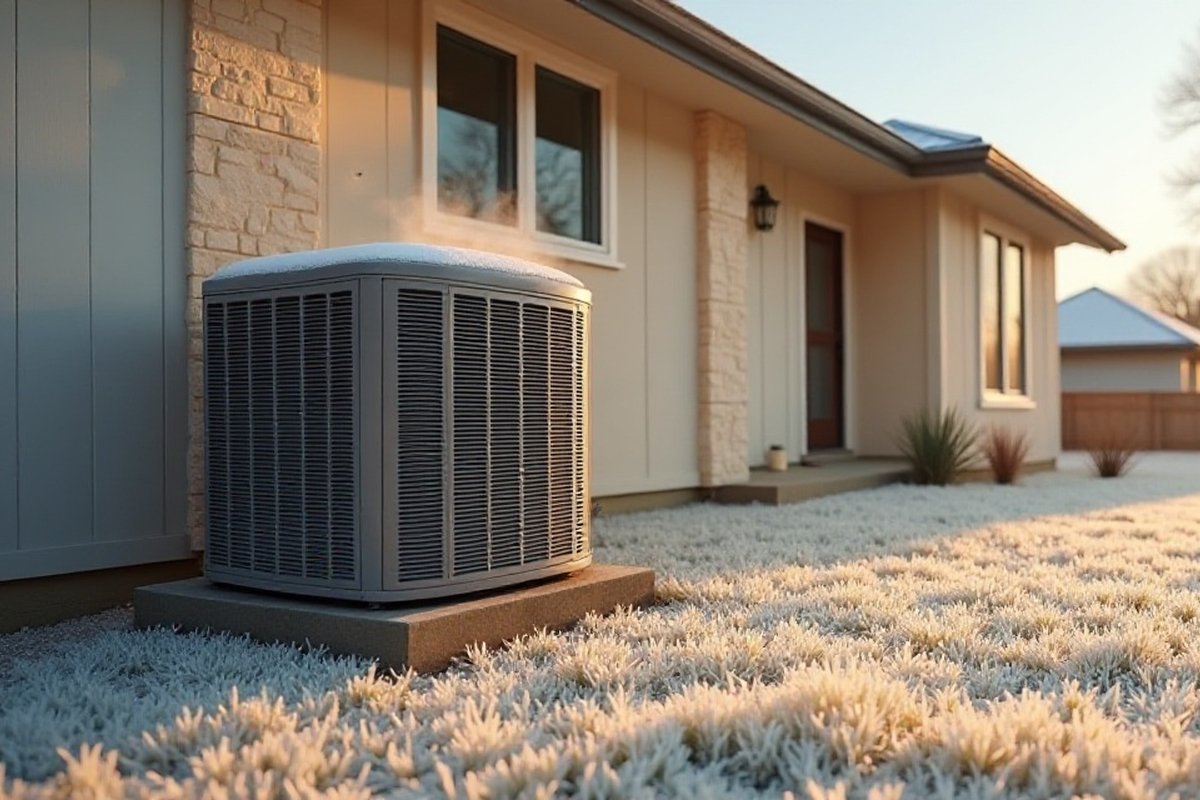
Freezes are the other test. During Winter Storm Uri in February 2021, Austin's Camp Mabry station stayed below freezing for 144 hours straight and hit 6 degrees. A heat pump that sits idle most of the year will lean on its backup electric heat strips in that kind of cold, and that is when weak heat strips, failed defrost controls and gas furnaces with dirty burners show themselves. Turn the heat on for an hour in October, before you need it, and if it smells of more than a little dust or will not hold temperature, call then rather than during the next storm.
Questions worth asking any company that comes to your Kyle home
- What is your TDLR license number, and are you registered with the City of Kyle?
- Is the failed part still under the manufacturer's warranty, and will you handle the claim?
- Can I have the diagnosis and the price in writing before you start?
- If you are recommending a replacement, what would the repair cost instead?
- Does your quote include the city permit and inspection?
- Call any hourAn automated assistant answers (737) 378-9016 and asks whether it is about cooling or heating.
- Describe the problemGive your name, a callback number, your city or ZIP and what the system is doing.
- Get put throughThe call goes to an independent, locally owned HVAC company, which hears a short summary before it picks up.
- Deal with them directlyThat company diagnoses, quotes, does the work and is paid by you. If it cannot answer, it gets your details to call back.
How this line works: Austin AC Service is a free phone line, not an HVAC company. It does not repair, install, quote or schedule work and holds no license. Calls are transferred to independent, locally owned HVAC companies that hold Texas air conditioning and refrigeration contractor licenses. Those companies may pay Austin AC Service a referral fee. You never pay the line. How it works.
Check any license yourself. Texas air conditioning and refrigeration contractors are licensed by the Texas Department of Licensing and Regulation. Ask for the license number and look it up at tdlr.texas.gov (opens in a new tab).
Nearby areas
See every city the line covers on the service areas page, or read the guide to choosing an HVAC company before you sign anything.