
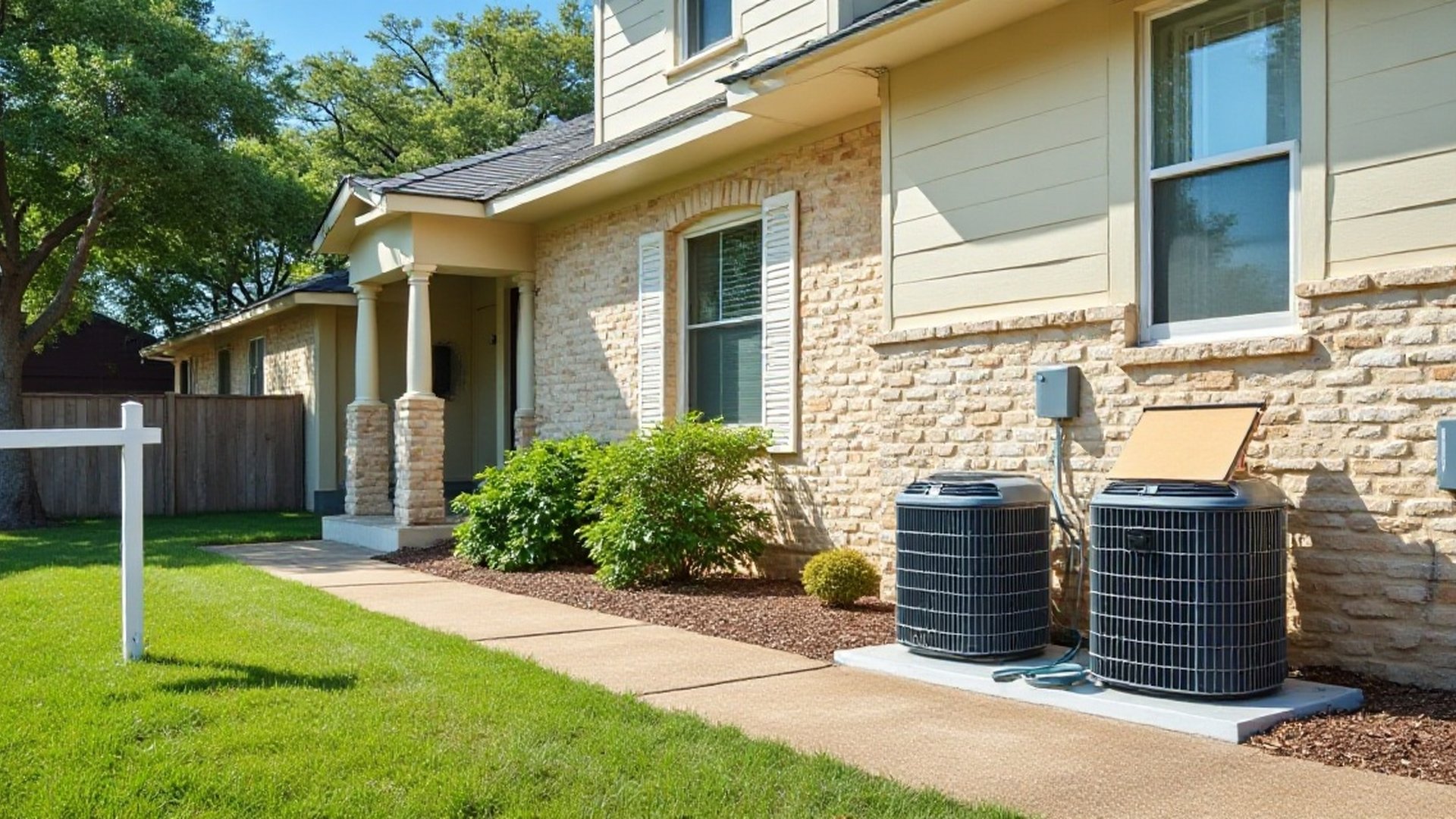
An HVAC inspection in Austin is cheap insurance on one of the largest single systems in a house. If you are buying, the cooling and heating equipment can be nearing the end of its life, running on a refrigerant that is no longer made, or hiding a cracked furnace heat exchanger, and the general home inspection may not tell you. This page explains what the Texas home inspection covers, what a dedicated HVAC inspection adds, how Austin's ECAD energy audit fits in, and how to fit it all inside a short option period.
The inspection itself is never done by Austin AC Service, which is only a free line. When you ring (737) 378-9016, the automated assistant will want your name, a phone number, the ZIP of the house you are buying and what you need; mention the closing and option dates too. You are then passed to a licensed, locally owned HVAC business working near that property. It sets its own inspection fee, does the work and bills you.
A buyer's timeline for the HVAC
The standard Texas resale contract gives buyers who pay an option fee an unrestricted right to terminate within the number of days written in the contract. That window is usually short, so the order of events matters.
- Before you make an offer. Look at the listing photos and the seller's disclosure for the system's age and any past repairs. Inside Austin city limits, ask the listing agent whether the ECAD audit is done.
- Day the contract is signed. Book the general home inspection and call the line for an HVAC inspection right away. Mention your option period deadline.
- First days of the option period. The general inspection and HVAC inspection happen, ideally back to back so the reports can be read together. Ask for photos of every data plate.
- Mid option period. Read both reports. If the HVAC company found a problem, ask it for a written repair or replacement estimate, so you are negotiating from a number rather than a guess.
- No later than three days before the option period ends. For homes covered by ECAD, this is the deadline for the seller to give you the energy audit results.
- Before the option period ends. Ask for a repair, a credit or a price change, or walk away. After it ends, your leverage drops sharply.
What a TREC home inspection covers, and what it leaves out
Texas home inspectors are licensed by the Texas Real Estate Commission and follow its standards of practice, which set the minimum for each part of the house and the report form they use. For heating and cooling, the inspector operates the equipment with its normal controls, looks at what is readily accessible and reports what is not working or deficient. That is a valuable first pass.
What it is not is a mechanical evaluation. Putting gauges on the refrigerant circuit is work for an EPA Section 608 certified technician, and a home inspector covering the whole house in a few hours is not there to load-test capacitors or decide whether a three-ton unit is the right size. Some home inspectors go further than the minimum, but you cannot count on it. That gap is what a separate HVAC inspection fills.
TREC home inspection compared with a dedicated HVAC inspection
| Item | General home inspection (TREC minimum) | Dedicated HVAC inspection |
|---|---|---|
| Does it run? | Yes, operated with normal controls | Yes, and measured while running |
| Refrigerant pressure, type and leaks | Usually outside a general inspection | Readings taken and compared to the manufacturer's charging method; type confirmed from the data plate |
| Efficiency and sizing | Usually outside a general inspection | Can be discussed, and a load calculation can be priced separately if sizing is in doubt |
| Electrical parts under load | Visible condition | Capacitors, contactors and motor amperage tested |
| Indoor coil and drain | Visible components, drain pan and lines | Coil condition, primary and secondary drains, float switch tested |
| Gas furnace | Operation and visible components, venting | Burners, flame, venting and, where accessible, the heat exchanger inspected, with combustion or CO testing |
| Who does it | TREC-licensed home inspector | TDLR-licensed HVAC contractor's technician |
What a good HVAC inspection looks at
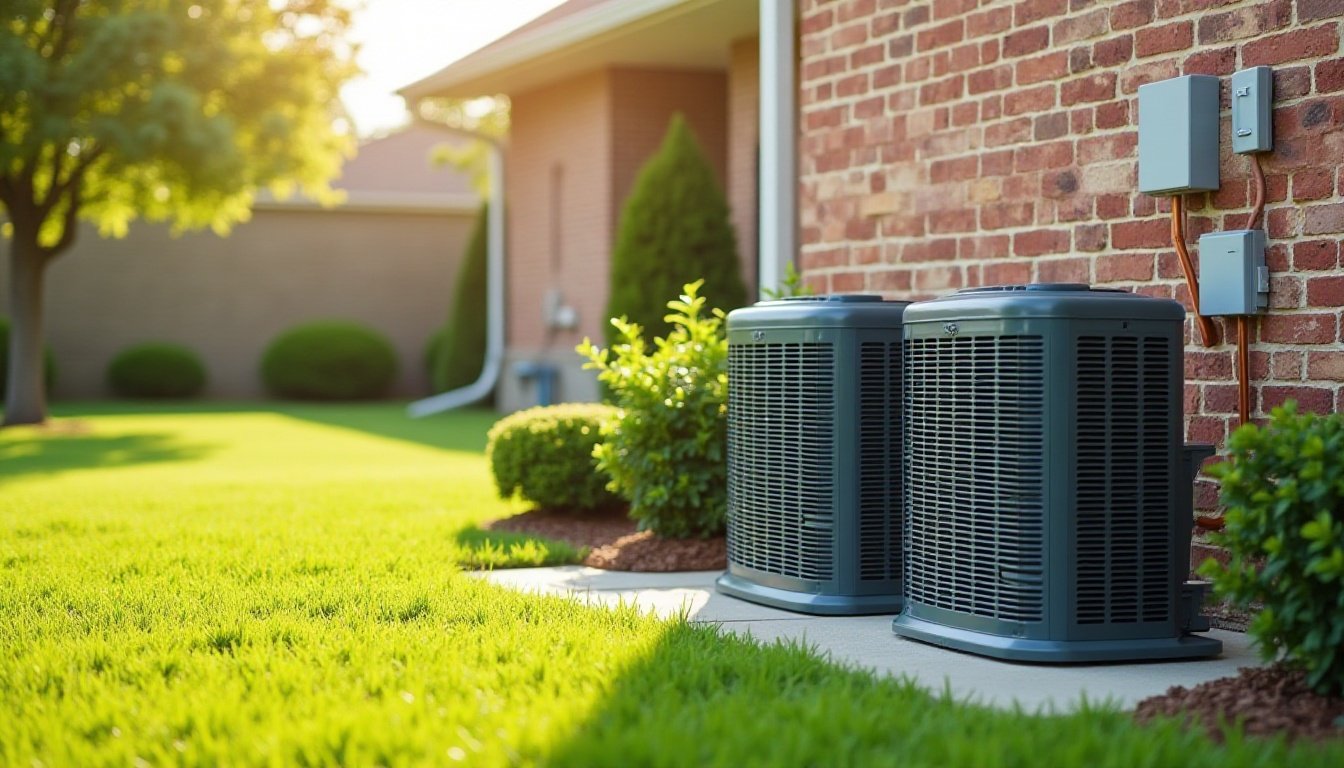
Start with the data plates, one on the outdoor unit and one on the indoor unit or furnace. They give the model and serial number, from which a technician can usually read the manufacture date, plus the size and the refrigerant. In Austin you will often find an outdoor unit and an indoor coil of different ages, because one was replaced and the other was not. That matters: mismatched pieces can run poorly, and the older half is the next expense.
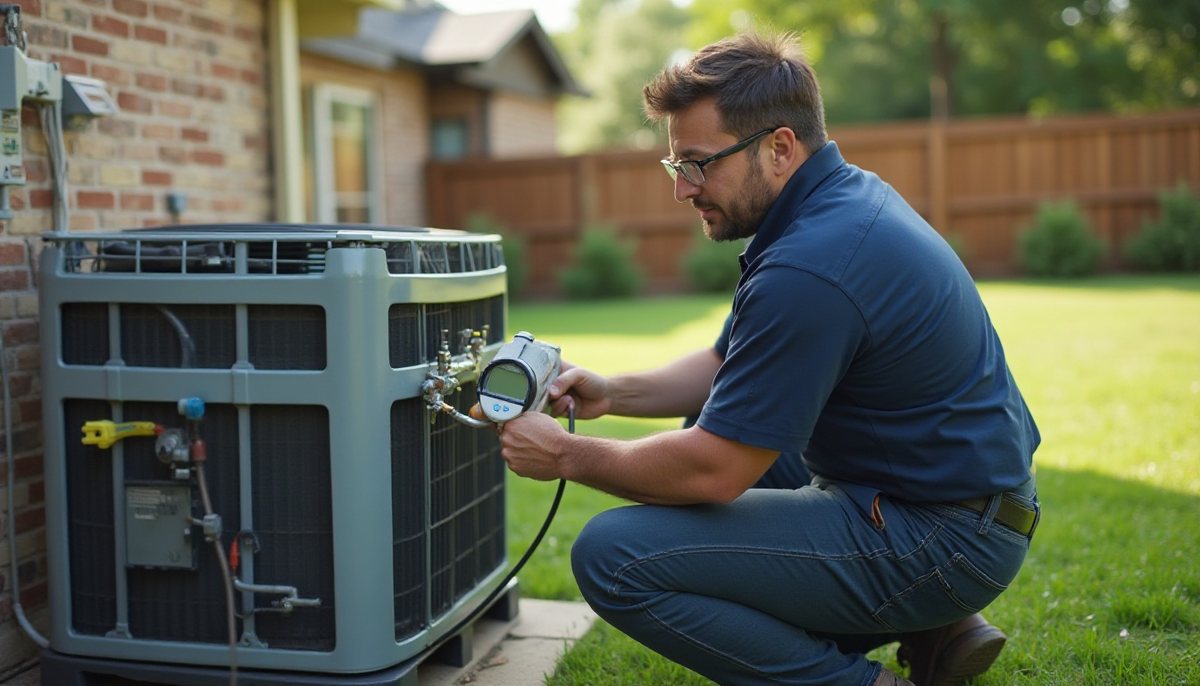
Then the system gets tested running: temperatures across the coil, refrigerant readings, electrical readings on the compressor and fan motors, and airflow. In the attic, the technician looks at the air handler, the drain pan and float switch, and the flexible ducts, which are often crushed, sagging or disconnected after years of other trades crawling over them.
The refrigerant question
The refrigerant on the data plate tells you a lot about what comes next. A system that uses R-22 is old by definition: EPA ended production and import of new R-22 at the start of 2020, so any repair that needs refrigerant depends on recovered and reclaimed supply. R-410A systems can still be serviced, and EPA's 2026 rule removed the old January 2026 cutoff for installing pre-2025 R-410A equipment. New systems are now built for lower global warming potential refrigerants such as R-454B and R-32, and those cannot be mixed with an R-410A system. The free refrigerant guide explains the change in plain terms.

The heating side matters too
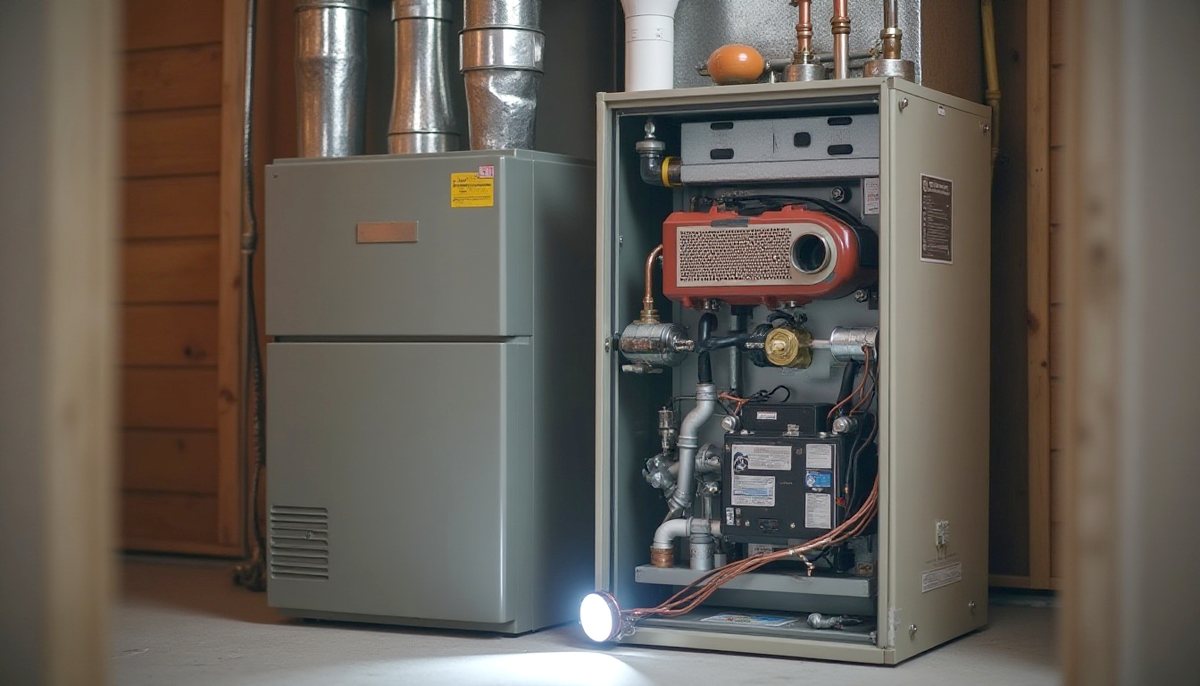
Inspections in an Austin summer tend to focus on cooling, but heating counts here: the 2021 and 2023 winter storms showed what happens when a heat pump or furnace fails in a hard freeze. On a heat pump, the inspection should run heat mode and check the backup electric heat strips. On a gas furnace, the technician should look at burners, flame, venting and the heat exchanger where it can be seen, because a cracked heat exchanger can let combustion gases into the house.
Gas safety. If you ever smell gas in the house, leave, then call the gas utility or 911 from outside. If a carbon monoxide alarm sounds, get everyone out and call 911. Do not try to find the source yourself.
Austin's ECAD audit, and why it is not an inspection
The City of Austin's Energy Conservation Audit and Disclosure ordinance applies to homes inside city limits, served by Austin Energy and 10 or more years old. Before selling, the owner must have an energy audit done by a professional certified as a BPI Building Analyst or RESNET Home Energy Rater, and must give the results to the buyer no later than three days before the option period ends, or before the contract is signed if there is no option period. Audits are good for 10 years, homes that received enough Austin Energy rebates in the past 10 years can be exempt, and sellers who do not comply can be fined $500 to $2,000.
- Ask for the report. It focuses on energy use and efficiency, which helps you budget for upgrades after you move in.
- Do not treat it as a condition check. An energy audit is not designed to tell you whether the compressor is failing or the heat exchanger is cracked.
- Outside the city or utility, there is none. Homes in suburbs served by other electric utilities are not covered, so the HVAC inspection is your only look.
Check the permit history
If the seller says the system was replaced recently, ask for the invoice and look for a permit. A City of Austin address should show a mechanical permit and a passed inspection for any system swapped out since it went in, and those records are searchable through the City's Austin Build + Connect portal by address. Suburban cities keep their own records. A replacement with no permit is worth asking about, since it may mean nobody checked the installation.
Safe things a buyer can check at the showing
- Photograph both data plates. Outdoor unit and indoor unit or furnace. The serial numbers help the HVAC company date them before it arrives.
- Feel the air. With the system on Cool, air from the vents should feel clearly cold within a few minutes.
- Look at the filter. A filthy filter suggests the system has not been looked after.
- Find the condensate line outside. Rust stains or water marks under a secondary drain outlet above a window can mean the main drain has clogged before.
- Look at the ceiling below the attic unit. Water stains there are worth a question.
What to ask before you book the HVAC inspection
What does the inspection include?
Cooling and heating, refrigerant readings, electrical tests, attic equipment and ducts, and a written report with photos. Get the fee up front.
Can I have it before my deadline?
Give the exact last day of your option period, and ask when the written report will arrive, not just when the visit is.
Will you price what you find?
A finding with a written repair or replacement estimate is what you take to the seller. Ask whether the company provides one.
Check any license yourself. Texas air conditioning and refrigeration contractors are licensed by the Texas Department of Licensing and Regulation. Ask for the license number and look it up at tdlr.texas.gov (opens in a new tab).
Tell the line you are buying a home and when your option period ends. The company you are put through to will tell you what its inspection covers and what it costs.
- Call any hourAn automated assistant answers (737) 378-9016 and asks whether it is about cooling or heating.
- Describe the problemGive your name, a callback number, your city or ZIP and what the system is doing.
- Get put throughThe call goes to an independent, locally owned HVAC company, which hears a short summary before it picks up.
- Deal with them directlyThat company diagnoses, quotes, does the work and is paid by you. If it cannot answer, it gets your details to call back.
How this line works: Austin AC Service is a free phone line, not an HVAC company. It does not repair, install, quote or schedule work and holds no license. Calls are transferred to independent, locally owned HVAC companies that hold Texas air conditioning and refrigeration contractor licenses. Those companies may pay Austin AC Service a referral fee. You never pay the line. How it works.
Related services
AC Repair
Warm air, a unit that hums but will not start, ice on the lines or water in the ceiling. What a proper diagnosis covers and what to ask before a repair.
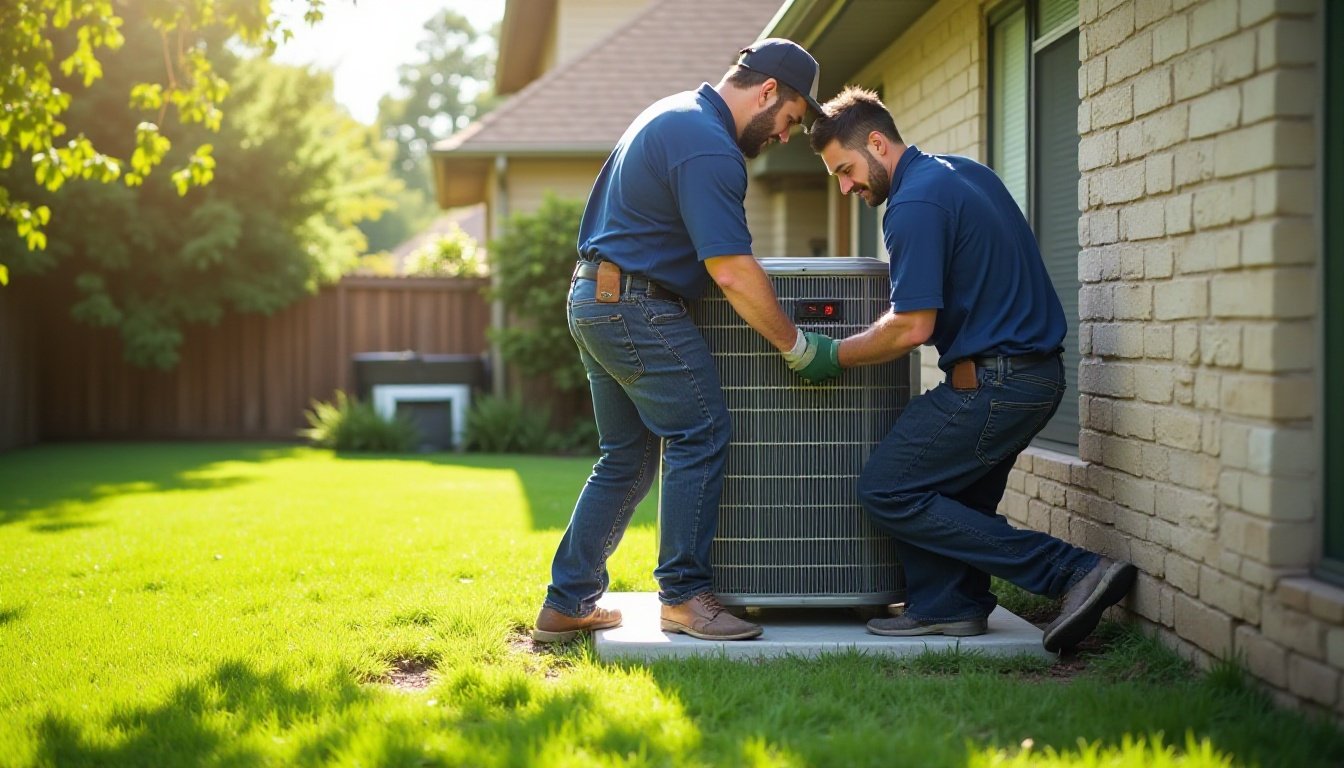
AC Installation and Replacement
Repair or replace, sizing by load calculation, the R-454B refrigerant change, permits, and Austin Energy rebates.
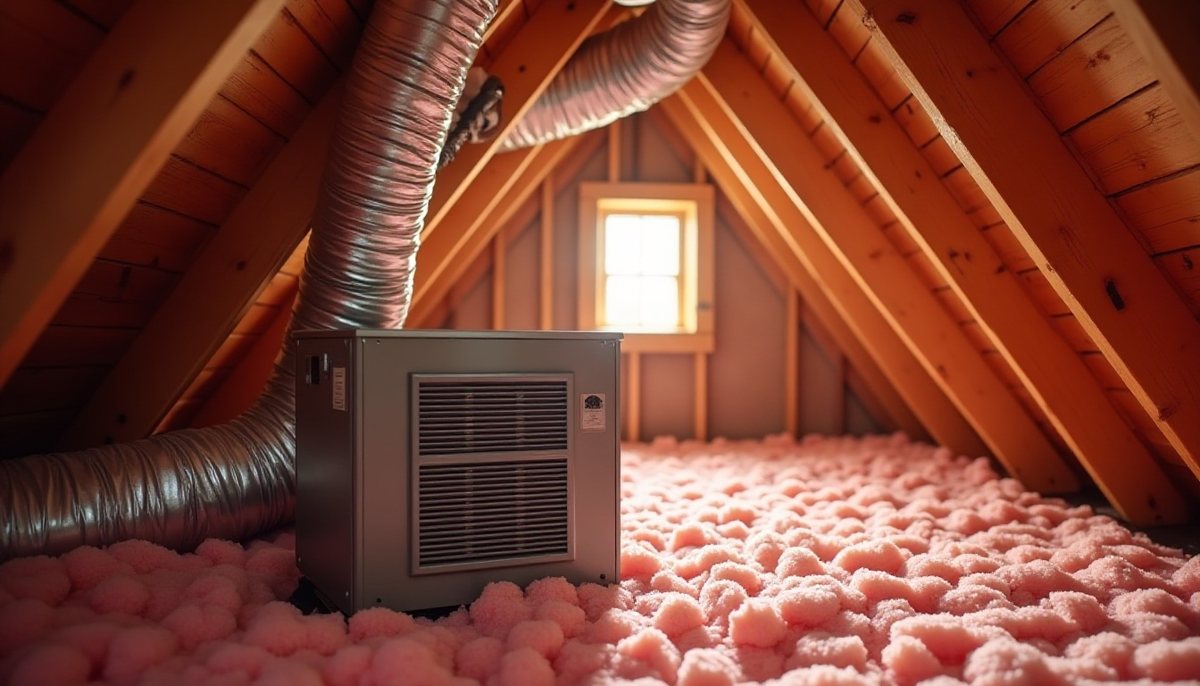
Air Duct Cleaning
When duct cleaning is worth paying for, what the EPA and NADCA say, and how to spot a too-good-to-be-true offer.
HVAC inspections across the Austin area
The line answers for home buyers in Austin and the surrounding cities. ECAD applies only inside Austin city limits; each area page covers the local utility and permit office.
- All Austin-area service areas
- South Austin
- Round Rock
- Cedar Park
- Pflugerville
- Georgetown
- Leander
- Kyle
- Hutto
- Buda
- Lakeway
- Manor
- Dripping Springs
Choosing who to hire after the sale? The guide to choosing an HVAC company in Austin covers licenses and quotes.