
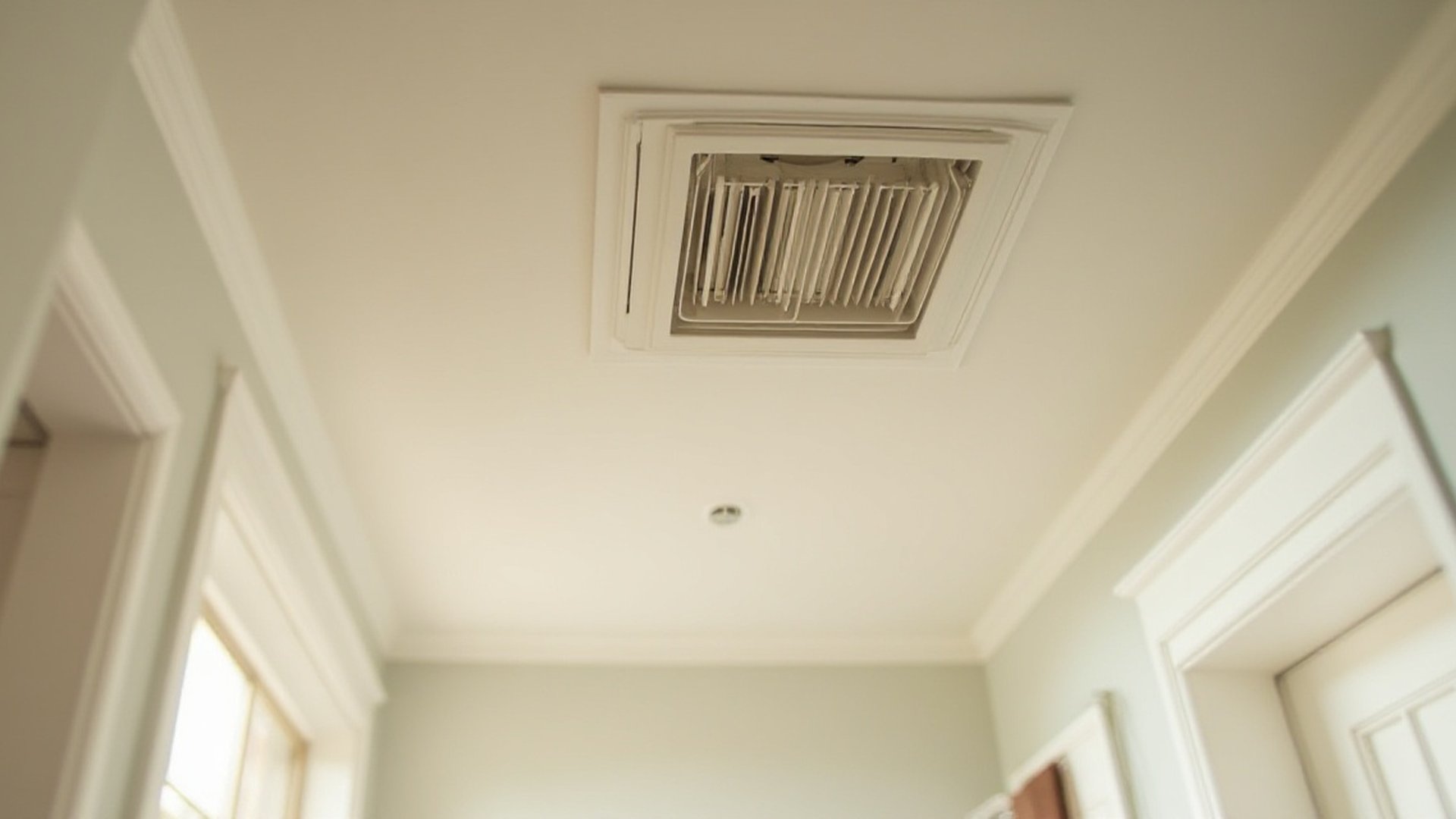
Air duct cleaning in Austin is one of the most heavily advertised home services and one of the most misunderstood. Sometimes the ducts genuinely need it. Often the dust that bothers people is coming from somewhere else, and the money would do more as duct sealing or a better filter. This page sets out what federal guidance actually says, when cleaning is worth it, what a proper job looks like, and how to avoid the offers built to upsell you.
Austin AC Service owns no vacuums and sends no crews. Dialing (737) 378-9016 reaches an automated assistant that collects a few details (your name, a callback number, where the home is and what you have noticed) and then connects you with a nearby HVAC business that is independently owned and holds a state contractor license. That business inspects the ducts, gives its recommendation and price, and is paid by you.
What the EPA says about duct cleaning
The U.S. Environmental Protection Agency's homeowner guide, "Should You Have the Air Ducts in Your Home Cleaned?", is the most useful neutral source on the subject. Its position is measured. It does not call duct cleaning useless, and it does not call it necessary. It says ducts should be cleaned as needed rather than on a routine schedule, and that there is no evidence a light amount of household dust in the ducts poses a health risk. Dust that settles on duct walls mostly stays there.
The same guide lists three situations where cleaning is worth considering. Those three, plus construction dust, form the basis for the panels below. The guide also cautions homeowners about chemical treatments, covered further down this page.
Worth it, or not worth it?
Match your situation to a panel. If you land on the left, cleaning has a real reason behind it. If you land on the right, ask what problem the cleaning is supposed to solve before you pay for it.
Usually worth it
- Visible mold inside hard ducts or on system parts. Seen, not just smelled, and with the moisture source found and fixed first, or it comes back.
- Rodents or insects in the ductwork. Droppings, nesting material or dead pests, common in attic systems.
- Dust or debris blowing out of the supply registers. Clumps or visible puffs when the system starts, not just a dusty grille.
- After a remodel or new construction. Drywall dust and sawdust pulled into returns that were left open during the work.
- After smoke or fire damage. Ask your insurer how it handles the cleanup before you hire anyone.
Usually not worth it
- Because a flyer says it has been a year. EPA does not recommend routine cleaning.
- A dusty grille or a gray film on the register face. Wipe the grille. That is not the inside of the duct.
- Hoping to cure allergies. Better filtration and sealing leaky returns usually do more for indoor dust and pollen.
- A musty smell with no visible growth. Find the moisture first: a clogged drain pan, a wet coil or a sweating duct.
- Flexible ducts that are crushed, torn or disconnected. Those need repair or replacement, not cleaning.
Austin attic ducts: often a sealing problem, not a cleaning problem
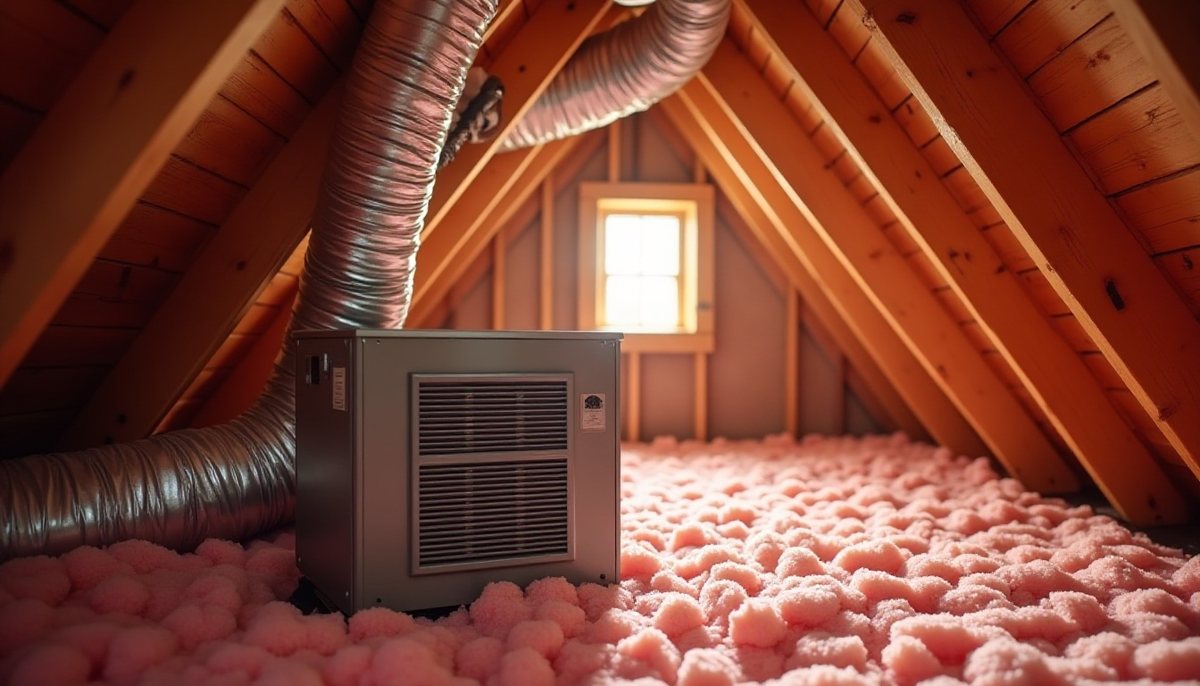
Most Austin-area homes built in the last few decades run their air handler and flexible ducts through the attic. On a July afternoon that attic is far hotter than the outdoors, and it is full of insulation fibers and fine dust. ENERGY STAR estimates that a typical duct system loses about 20 to 30 percent of the air moving through it to leaks, holes and poorly connected joints. When the leaks are on the return side, the system pulls attic air straight into the house.
That is why some homes get dusty again a week after the ducts were cleaned. The fix is to find and seal the leaks, usually with mastic at the joints and new connections where flex duct has slipped off a collar, and to replace crushed or torn runs. Sealed ducts also cool better, because the cold air you paid for reaches the rooms instead of the attic.
Austin Energy's Home Energy Savings program includes sealing or replacing leaky ducts among its rebated improvements, done through an Austin Energy participating contractor that meets its licensing, insurance and quality requirements. Amounts and rules change, so check savings.austinenergy.com before work starts. Homes served by Pedernales Electric Cooperative, Oncor, Bluebonnet or another utility have different programs, or none. The Austin Energy rebates guide goes through the details.
How to spot the bait offer
The Better Business Bureau has reported that most complaints about duct cleaning companies involve bait and switch: a very low advertised price, often $49 to $99 for a whole house, that is not honored once the crew is inside. The usual next step is a claim of mold or "heavy contamination" that needs an expensive treatment right away.
- Get a written total before anyone comes out. Ask what the price includes: how many supply and return runs, the main trunks, the blower and the coil.
- Ask to see it. A legitimate company shows you the problem, with photos or a camera inspection, instead of just telling you about it.
- Refuse same-visit pressure on mold. Mold claims deserve a second opinion. Mold remediation is a separate trade, and a real moisture problem is not going anywhere overnight.
- No chemicals without a reason. Nothing should be sprayed into the ducts unless you have agreed to it in writing.
What a proper air duct cleaning in Austin involves
The industry standard is ACR, The NADCA Standard for Assessment, Cleaning and Restoration of HVAC Systems, published by the National Air Duct Cleaners Association and updated in a 2025 edition. You do not need to read it, but its basic method is what separates a real cleaning from a quick pass at the vents.
- Assessment first. The technician looks inside the ducts and equipment, often with a camera, and tells you what is there and whether cleaning is justified.
- The system put under negative pressure. A powerful vacuum collector is connected to the duct system so loosened dust is pulled out instead of blowing into the house.
- Mechanical agitation. Brushes, air whips or compressed air skippers work through each run to loosen what is stuck to the walls.
- The whole system, not just the ducts. The blower, coil, drain pan and plenums deserve attention along with the ducts, since dust left in the blower simply gets pushed back into freshly cleaned runs. On the equipment itself, that is licensed HVAC work.
- Access openings closed properly. Any holes cut for access are sealed and insulated, and the registers go back on.
- Before and after evidence. Photos or video of the same sections, so you can see what you paid for.
Who is allowed to do the work in Texas
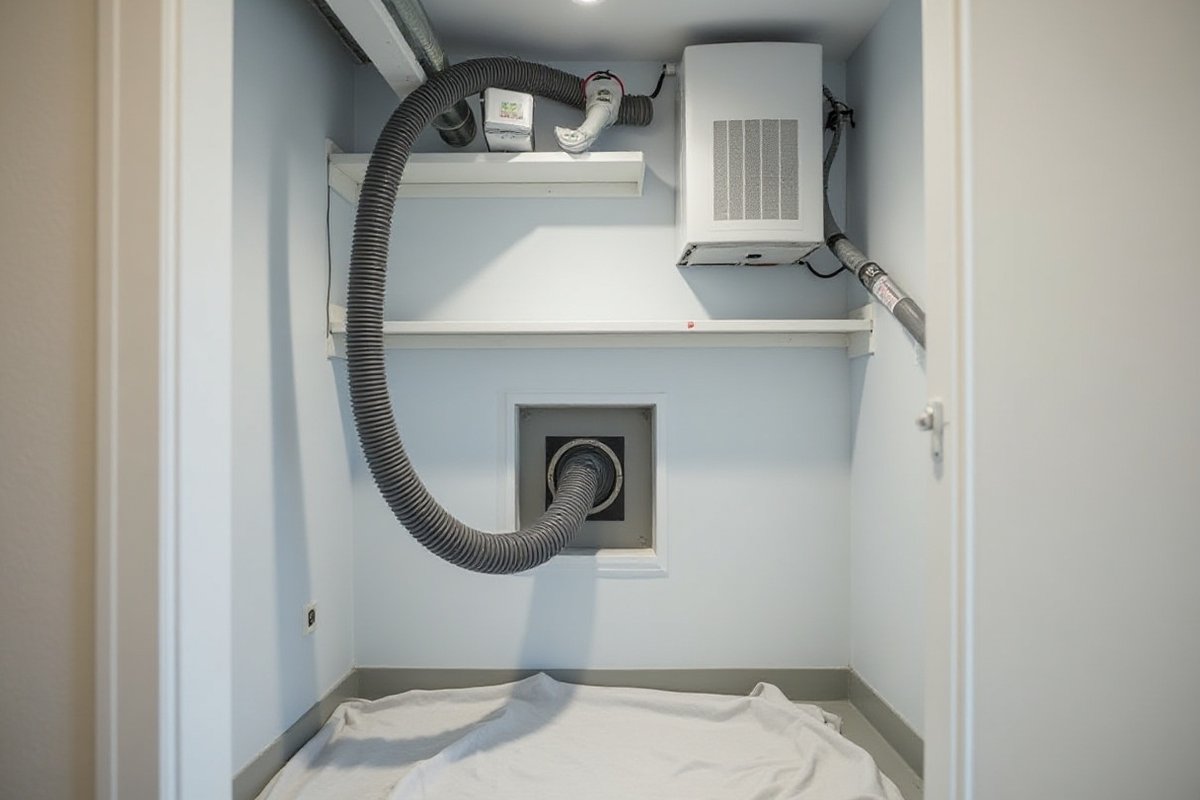
Texas air conditioning and refrigeration law lets someone without a contractor license clean ducts only within narrow limits: the work stays within the air distribution system between the supply plenum and the grilles and between the return grille and the air handler intake, no ducts or plenums are cut, no electrical connections are changed, and nothing is taken apart beyond removable grilles and registers. Cleaning the blower or coil, cutting access holes or other work on the equipment itself falls under a TDLR contractor license. Every company the line connects callers with holds one, and you can look up any license number yourself.
Check any license yourself. Texas air conditioning and refrigeration contractors are licensed by the Texas Department of Licensing and Regulation. Ask for the license number and look it up at tdlr.texas.gov (opens in a new tab).
Safe things to do yourself first
Before paying anyone, a few simple steps tell you a lot about whether the ducts are really the problem.
- Change the filter and write down the date. If it is gray within a few weeks, the house has a dust source, and leaky returns are a likely suspect.
- Check that the filter fits. Gaps around the edge of the filter let unfiltered air bypass it straight into the system.
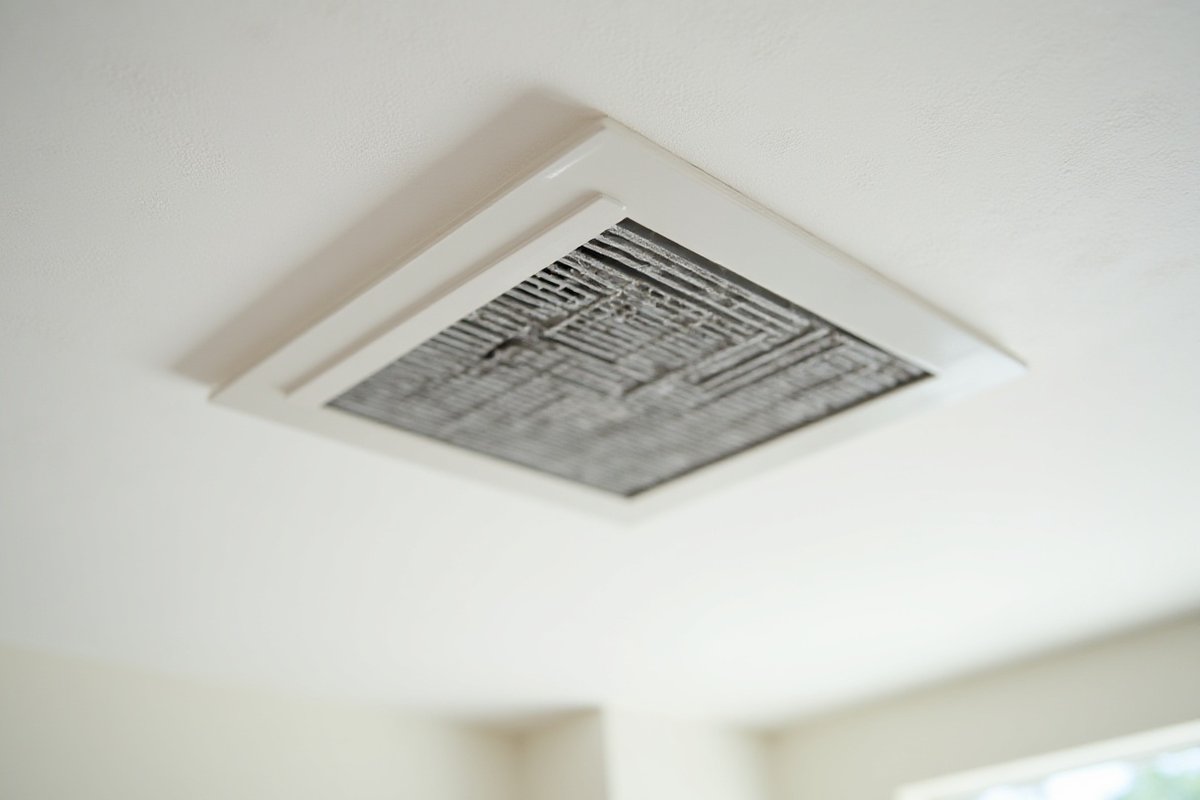
- Pull a supply register and look in with a flashlight. A light, even layer of dust is normal. Clumps, debris, droppings or growth are not.
- Vacuum and wipe the grilles. Much of what looks like dirty ducts is dust on the register face.
- Look at the condensate drain outside. If it is dry while the AC runs in summer, the drain may be blocked, and standing water inside is a common cause of musty smells.
Questions to ask before you book
What problem will this fix?
The answer should name something specific: debris in the returns, droppings in a trunk line, drywall dust from the remodel. "It has been a while" is not a reason.
What exactly is included?
Supply and return runs, trunks, plenums, the blower and the coil, with a written total. Ask whether the price changes for the number of vents.
Do the ducts need sealing too?
A company that only cleans may not mention leaks. A licensed HVAC company can test or inspect for them and price sealing alongside cleaning.
Tell the line what you are seeing: dust from the vents, pests, a remodel, a smell. The company you are put through to can look first and tell you whether cleaning, sealing or neither is the right call.
- Call any hourAn automated assistant answers (737) 378-9016 and asks whether it is about cooling or heating.
- Describe the problemGive your name, a callback number, your city or ZIP and what the system is doing.
- Get put throughThe call goes to an independent, locally owned HVAC company, which hears a short summary before it picks up.
- Deal with them directlyThat company diagnoses, quotes, does the work and is paid by you. If it cannot answer, it gets your details to call back.
How this line works: Austin AC Service is a free phone line, not an HVAC company. It does not repair, install, quote or schedule work and holds no license. Calls are transferred to independent, locally owned HVAC companies that hold Texas air conditioning and refrigeration contractor licenses. Those companies may pay Austin AC Service a referral fee. You never pay the line. How it works.
Related services
AC Repair
Warm air, a unit that hums but will not start, ice on the lines or water in the ceiling. What a proper diagnosis covers and what to ask before a repair.

HVAC Maintenance and Tune-Ups
A spring cooling check before the heat and a fall heating check before the first freeze, and what a real tune-up includes.
HVAC Inspection
Buying or selling a home, the Austin Energy ECAD audit, and what an HVAC inspection looks at that a general home inspection may not.
Duct help across the Austin area
The line takes calls from Austin and the surrounding cities. Each area page covers the utilities, homes and permit offices that differ from place to place.