
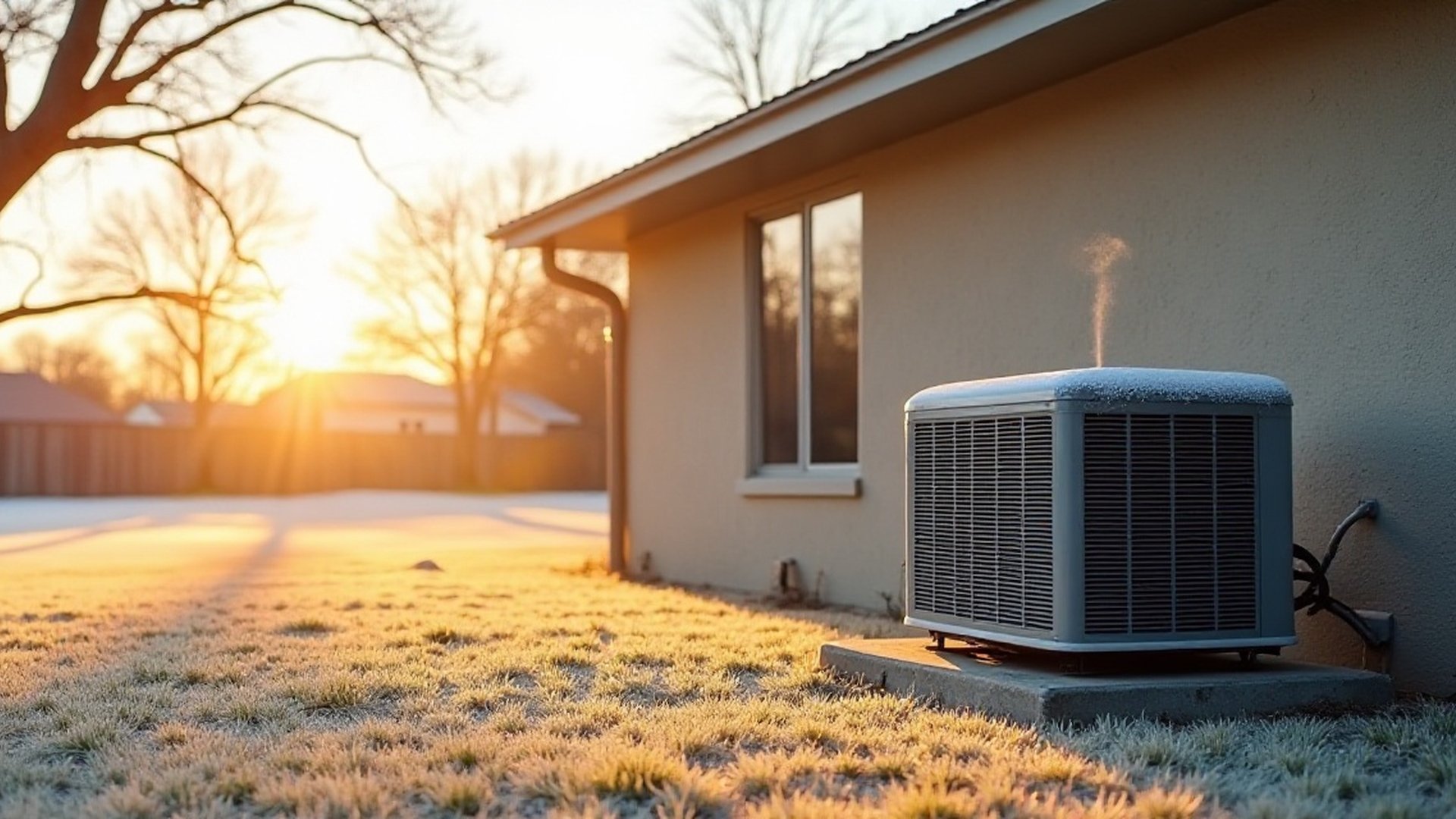
Heating repair in Austin is a seasonal rush. Most homes here cool for seven or eight months and heat for a few weeks, so a furnace or heat pump can sit almost unused from one February to the next. Then a blue norther comes through, thousands of systems switch to heat on the same evening, and the parts that quietly wore out over the summer announce themselves.
Austin AC Service is a free phone line, not a heating company. When you dial (737) 378-9016, an automated assistant picks up, asks if this is a heating or cooling problem, and collects your name, a number to reach you, your city or ZIP and a short description of the symptoms. Your call then goes to a locally owned heating and air company in your part of the metro, licensed by the state to do air conditioning and heating work. That company diagnoses the furnace or heat pump, quotes the repair and is paid by you.
Furnace, heat pump or strip heat: which one do you have?
Texas leans electric. The U.S. Energy Information Administration, using Census Bureau survey data, reports that about 61 percent of Texas homes heat mainly with electricity and about 35 percent with natural gas. Around Austin you will find all three systems below, often in the same neighborhood. Knowing which one you have makes the call faster and the diagnosis cheaper.
| Gas furnace | Heat pump | Electric strip heat (electric furnace) | |
|---|---|---|---|
| How to recognize it | A gas line and a flue pipe running to the roof; a gas bill in winter; an AC condenser outside for cooling only | The outdoor unit runs in winter too; the thermostat shows Aux or Em Heat; no gas bill for heat | The outdoor unit sits still in winter; heat comes from coils in the air handler; no gas service needed |
| Where it is common | Many older central Austin homes and houses built with gas service | Much of the newer suburban building, and many replacement systems | Older all-electric homes, apartments and condos |
| How it makes heat | Burns natural gas or propane; a blower pushes air past a heat exchanger | Moves heat from outdoor air into the house with refrigerant, then backs itself up with strips when needed | Runs electric resistance coils, like a large toaster |
| Common failures | Hot surface igniter, flame sensor, pressure switch, inducer motor, control board | Defrost control, reversing valve, capacitor, outdoor fan, refrigerant leak, failed backup strips | Burned out elements, sequencer or relay, limit switch, blower motor |
| Safety concern | Gas leaks and carbon monoxide from a cracked heat exchanger or blocked flue | Electrical; no combustion inside the house | Electrical and overheating; no combustion |
| In a hard freeze | Keeps the house warm, but still needs electricity to run its blower and igniter | Loses capacity as it gets colder and leans on its strips, so electric bills jump | Keeps up if the strips are sized right, at a high running cost |
If you cannot tell, take a photo of the thermostat screen and the label on the indoor unit before you call. The company you are put through to can usually identify the system from that.
Three recent freezes and what they taught Austin
Austin's winters are mild on average, but its record cold comes in sharp, short bursts that land on systems nobody has tested in months.
- February 2021, Winter Storm Uri. Austin's official station at Camp Mabry sat below 32 degrees for 144 straight hours, fell to 6 degrees, and picked up 5.4 inches of snow on February 15, according to the Austin Water after-action report. Heat pumps lost most of their output and the electric grid failed at the same time.
- January 31 to February 2, 2023, the ice storm. Roughly three-quarters of an inch of ice brought down limbs and lines across the city. More than 170,000 Austin Energy customers lost power at the peak, which meant gas furnaces stopped too, because their blowers and igniters need electricity.
- January 2024, the arctic blast. KXAN reported Camp Mabry reached 16 degrees in mid-January, breaking a daily record of 19 set in 1944, with a high of only 24 on January 15. It was Austin's coldest January in 17 years.
The lesson from all three: the first night of a freeze is the worst time to find out the heat does not work. Phones at every HVAC company light up at once. Testing the system in October or November, on a cool evening, puts you ahead of that line.
Heat pump repair in Austin: what is normal and what is not
Heat pumps confuse more people than any other system, mostly because several things they do on purpose look like faults.
Defrost is normal
Below about 40 degrees in damp weather, frost builds on the outdoor coil. The heat pump briefly reverses into cooling mode to warm that coil, usually with the outdoor fan stopped, and a cloud of steam rolls off the unit. It typically lasts a few minutes, then heating resumes. What is not normal is a unit that stays solid with ice or never seems to come out of defrost.
Auxiliary heat versus Emergency Heat
Aux heat is the system calling on its electric strips by itself, during defrost or when the heat pump alone cannot keep up on a very cold night. It switches off again when it is no longer needed. Emergency Heat is a manual setting that turns the heat pump off entirely and runs only the strips. It is meant for a heat pump that has failed, not for a cold night.
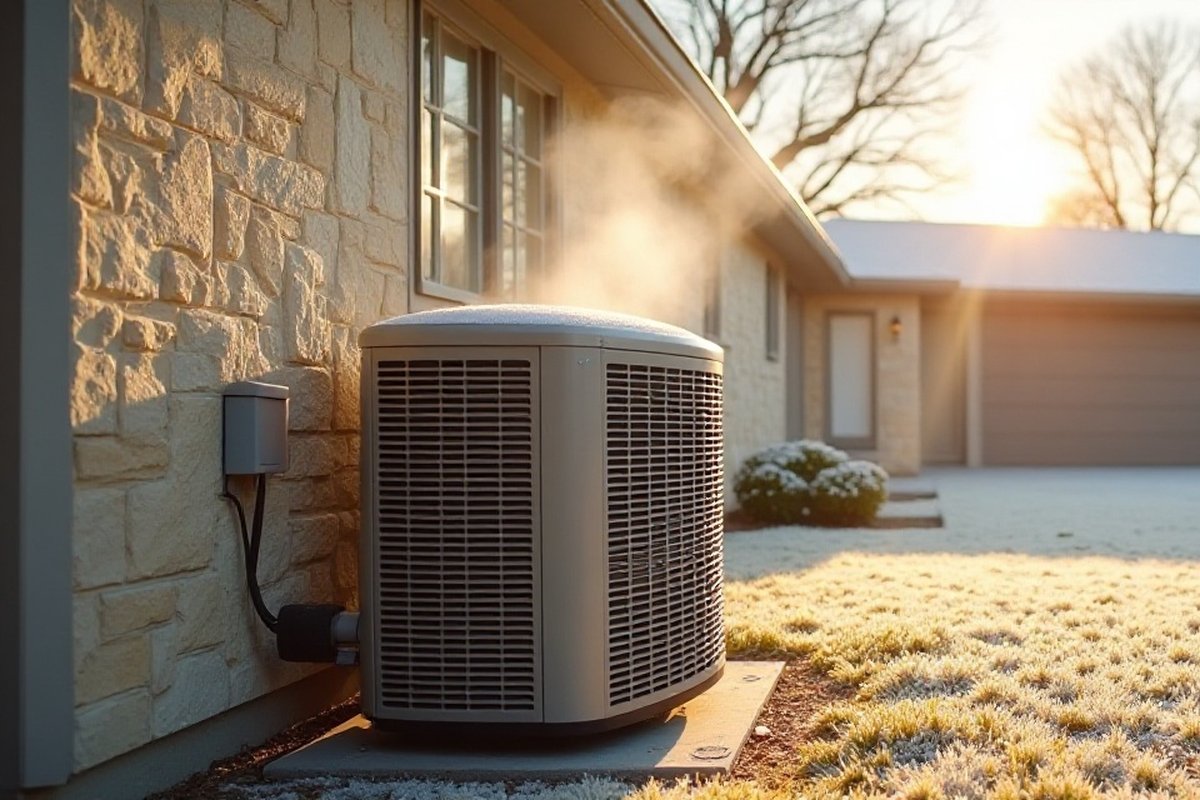
A common pattern after a freeze is a heat pump that has quietly stopped heating while the strips carry the whole load. The house stays warm, so nobody notices until the electric bill arrives. If the thermostat shows Aux heat running almost all the time on a 45-degree day, or the outdoor unit sits silent while the indoor unit heats, have it checked. Small, steady thermostat changes help too: raising the setting several degrees at once on a cold morning is one of the triggers that brings the strips on.
Gas furnace safety comes before any repair
Texas Gas Service supplies natural gas to the City of Austin and much of the surrounding area. Some homes on the edges of the metro use propane instead. Either way, a gas furnace burns fuel inside your house, and two situations override everything else on this page.
- You smell gas. Do not touch the thermostat, light switches or appliances, and do not try to find the leak. Get everyone outside first. From the yard or a neighbor's house, dial 911 and the Texas Gas Service emergency line, 1-800-959-5325, or your propane supplier.
- A CO alarm sounds, or people feel ill. Headache, dizziness, nausea and confusion that ease when you leave the house can be carbon monoxide. Get everyone into fresh air and call 911. Do not go back in until responders say it is safe.
- Have CO alarms. The National Fire Protection Association recommends carbon monoxide alarms on every level of the home and outside each sleeping area. Replace them by the date printed on the unit.
- No oven, grill or generator heat indoors. The CDC says generators belong outside, more than 20 feet from doors, windows and vents.
On every gas furnace visit, a careful technician should look at the flame, the heat exchanger, the flue and the combustion air supply, and many carry a combustion analyzer or CO meter. If anything suggests a cracked heat exchanger, expect them to shut the furnace off and show you why.
The first cold night: smells and sounds
The first time the heat runs each season, many homes get a dusty, faintly scorched smell for the first half hour or so. That is dust that settled on the furnace heat exchanger or the heat strips over the summer and is burning off. Change the filter and give it time. These are not normal and need the system turned off:
- A smell of gas, at any time
- A hot plastic, rubber or electrical smell, or one that gets stronger instead of fading
- Repeated clicking with no flame on a gas furnace, or a furnace that lights and then shuts off within seconds
- A loud bang when a gas furnace lights, which can mean delayed ignition
- A heat strip breaker that trips as soon as the heat comes on
Safe things to check before calling
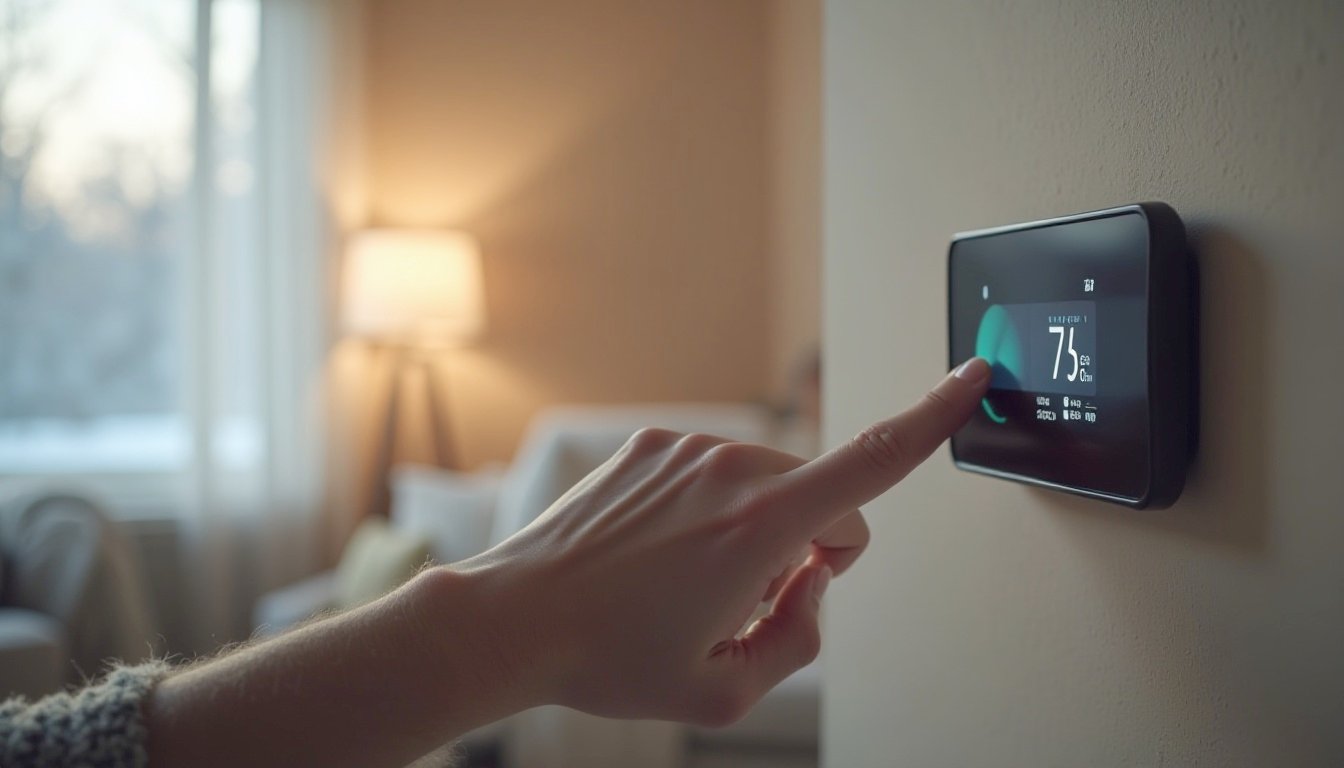
- Thermostat mode and setting. It should say Heat, not Cool, Off or Auto with the wrong setpoint, and be a couple of degrees above the room temperature. Replace weak batteries if the display is faint.
- The filter. A clogged filter can overheat a furnace until its high-limit safety shuts the burners off, and can make heat strips cycle on and off.
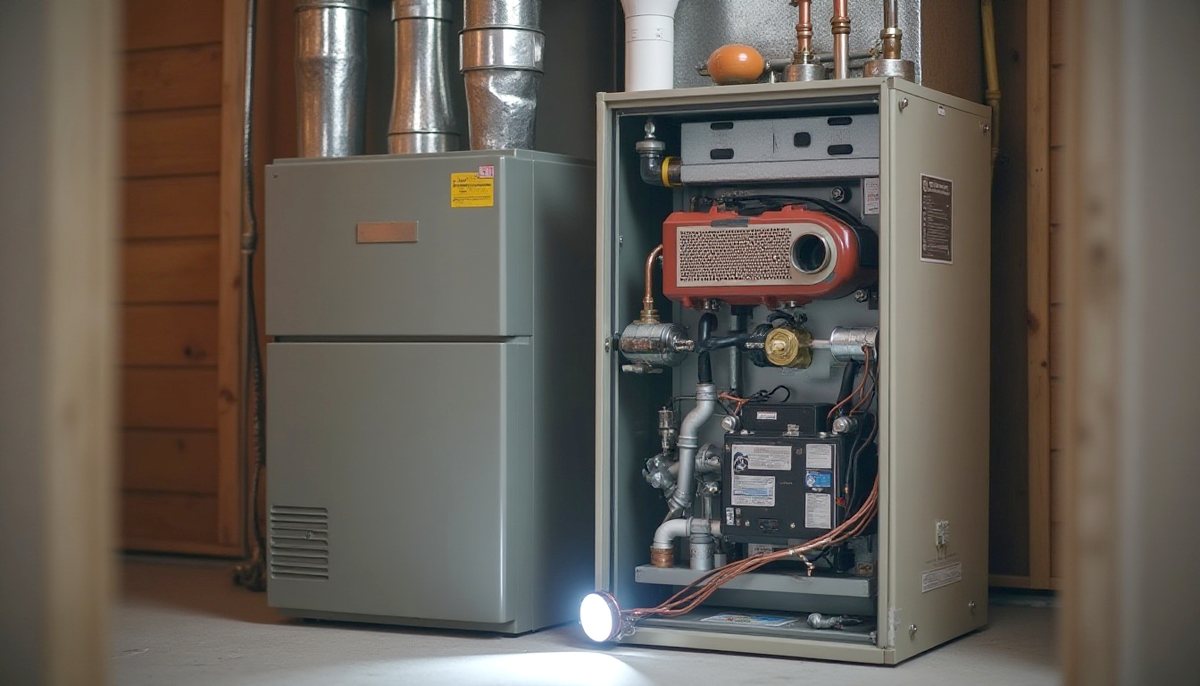
- The furnace door. Most furnaces have a safety switch that keeps them off unless the blower door is seated firmly. If someone changed the filter recently, make sure the door is closed properly. Do not open the burner area.
- Breakers and the service switch. Reset a tripped HVAC breaker once. Check that the light-switch style service switch on or near the furnace or air handler is on.
- The outdoor unit on a heat pump. Look for heavy ice, snow drifts, or leaves blocking it. Do not chip ice off the coil or pour hot water on it; the fins and tubing bend easily.
Still no heat after those checks? Call at any hour, tell the assistant whether you have gas, a heat pump or electric heat, and describe what you saw.
What a good heating technician should do, and why
On a gas furnace
- Watch a full start-up sequence to see exactly where it fails: inducer, pressure switch, igniter, flame, blower
- Clean or test the flame sensor and measure the igniter rather than replacing parts on a hunch
- Check gas pressure, venting and the heat exchanger, and test for carbon monoxide
- Confirm the safety controls work, not just that the furnace lights
On a heat pump or strip heat
- Run it in heating mode and confirm the reversing valve shifts and the outdoor unit contributes
- Force a defrost cycle to prove the defrost control works
- Measure the amp draw on each heat strip so you know how many stages work
- Check the refrigerant charge by the manufacturer's method for heating mode, and look for a leak if it is low
Whatever the system, you should end the visit with a clear finding, a written price, and an honest view of whether repair makes sense. Refrigerant work on a heat pump must be done by an EPA Section 608 certified technician.
Getting ready before the next freeze
Run the heat for fifteen minutes on the first cool evening of fall. Put in a fresh filter, test the CO alarms, and clear leaves and mulch away from a heat pump. A fall heating tune-up is the time to have the burners, flame sensor, heat exchanger and safety controls checked on a furnace, or the defrost control and strips on a heat pump. When cold arrives, a steady setting works better than big swings; the U.S. Department of Energy suggests about 68 degrees while you are awake. If a heating system is near the end of its life, the installation and replacement page covers the choice between another furnace and a heat pump.
If the heat fails in the middle of a hard freeze, the emergency repair page covers how to keep a household warm and safe until help arrives.
- Call any hourAn automated assistant answers (737) 378-9016 and asks whether it is about cooling or heating.
- Describe the problemGive your name, a callback number, your city or ZIP and what the system is doing.
- Get put throughThe call goes to an independent, locally owned HVAC company, which hears a short summary before it picks up.
- Deal with them directlyThat company diagnoses, quotes, does the work and is paid by you. If it cannot answer, it gets your details to call back.
How this line works: Austin AC Service is a free phone line, not an HVAC company. It does not repair, install, quote or schedule work and holds no license. Calls are transferred to independent, locally owned HVAC companies that hold Texas air conditioning and refrigeration contractor licenses. Those companies may pay Austin AC Service a referral fee. You never pay the line. How it works.
Check any license yourself. Texas air conditioning and refrigeration contractors are licensed by the Texas Department of Licensing and Regulation. Ask for the license number and look it up at tdlr.texas.gov (opens in a new tab).
Related services
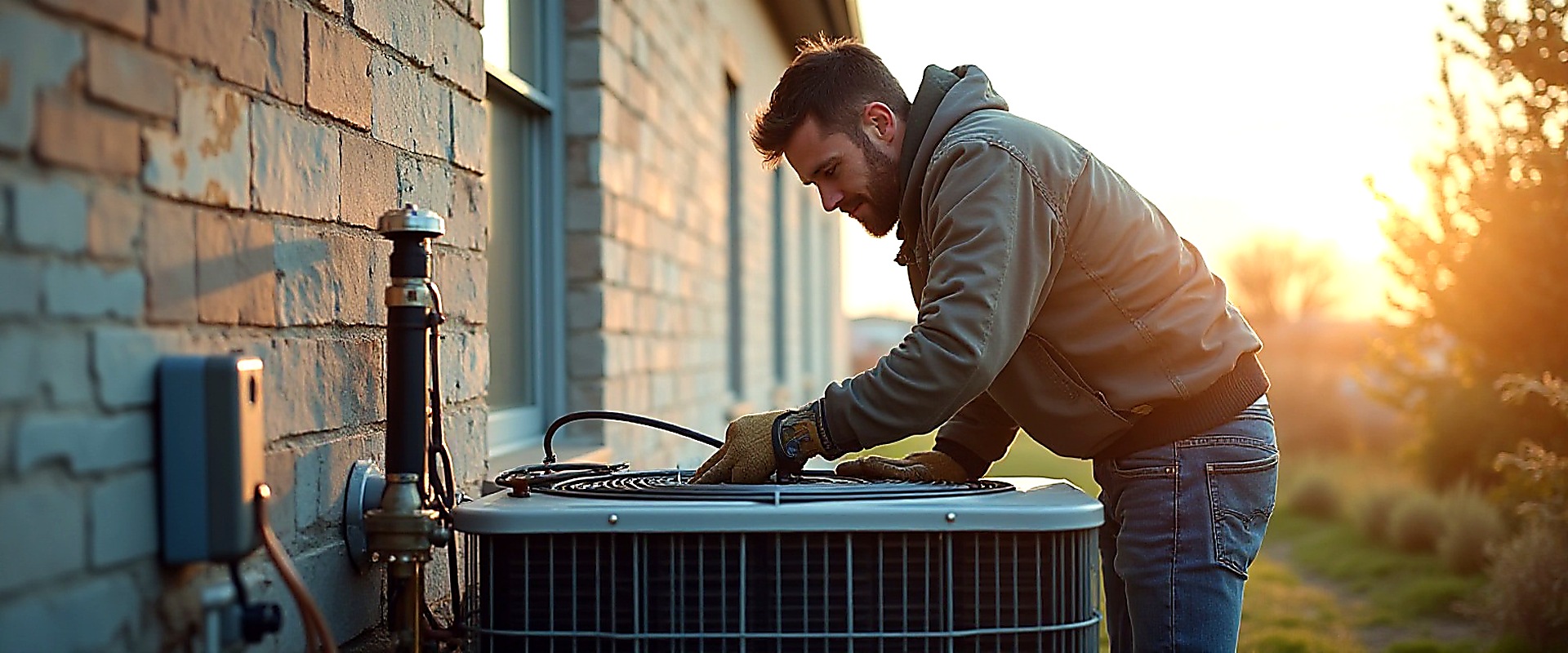
Emergency AC and Heating Repair
No cooling in a 100-degree week or no heat in a freeze. What counts as an emergency, what is safe to check first, and when to leave the house.
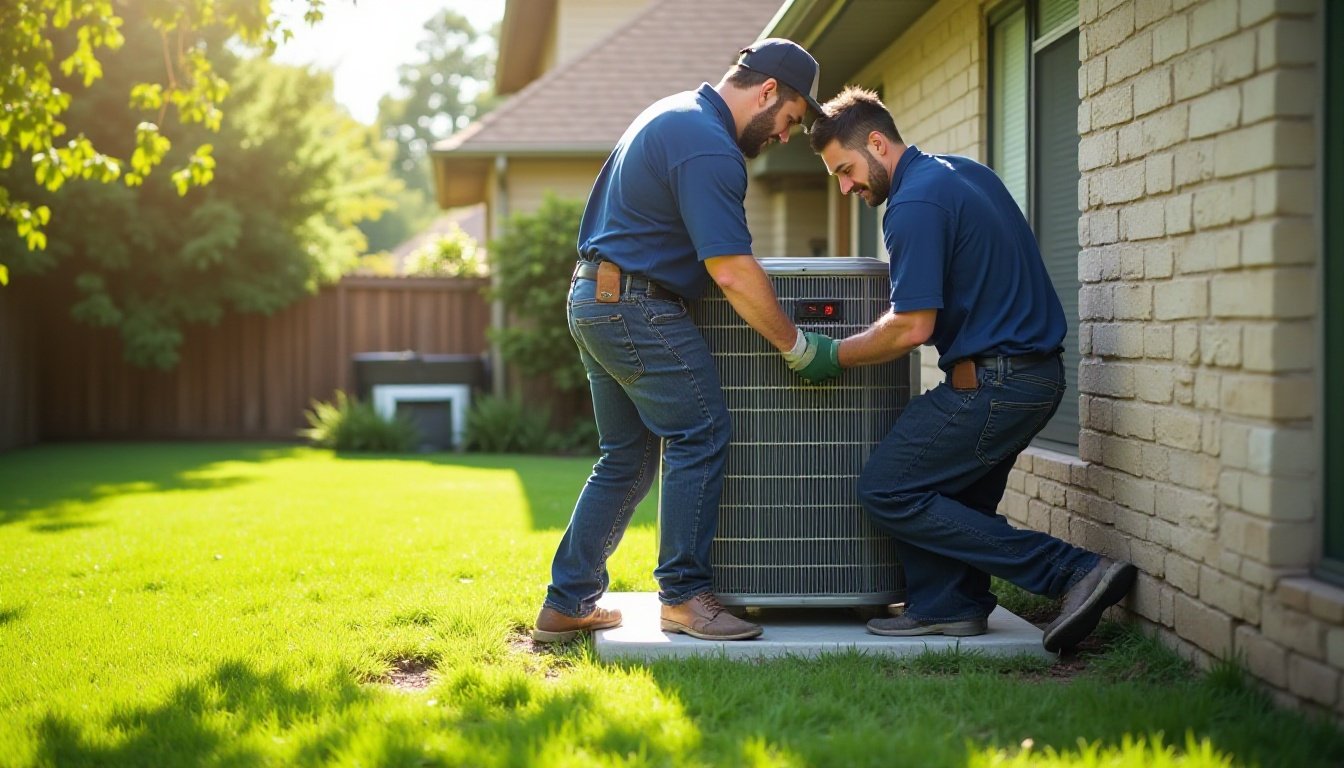
AC Installation and Replacement
Repair or replace, sizing by load calculation, the R-454B refrigerant change, permits, and Austin Energy rebates.
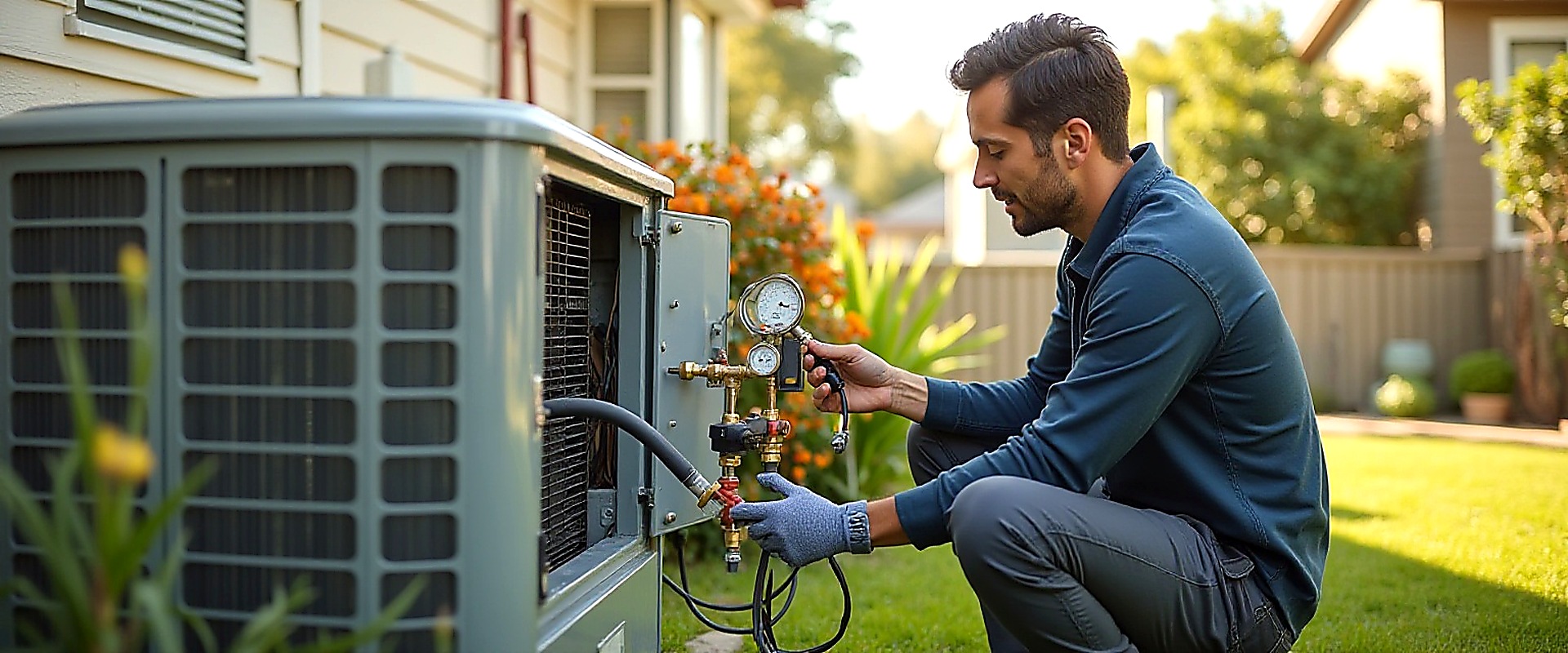
HVAC Maintenance and Tune-Ups
A spring cooling check before the heat and a fall heating check before the first freeze, and what a real tune-up includes.
Heating repair across the Austin area
Calls come in from all over Travis, Williamson and Hays counties. Electric and gas providers differ from one suburb to the next, so each area page notes who serves that city.
- All Austin-area service areas
- South Austin
- Round Rock
- Cedar Park
- Pflugerville
- Georgetown
- Leander
- Kyle
- Hutto
- Buda
- Lakeway
- Manor
- Dripping Springs
Before you hire anyone, read the guide to choosing an HVAC company in Austin.