
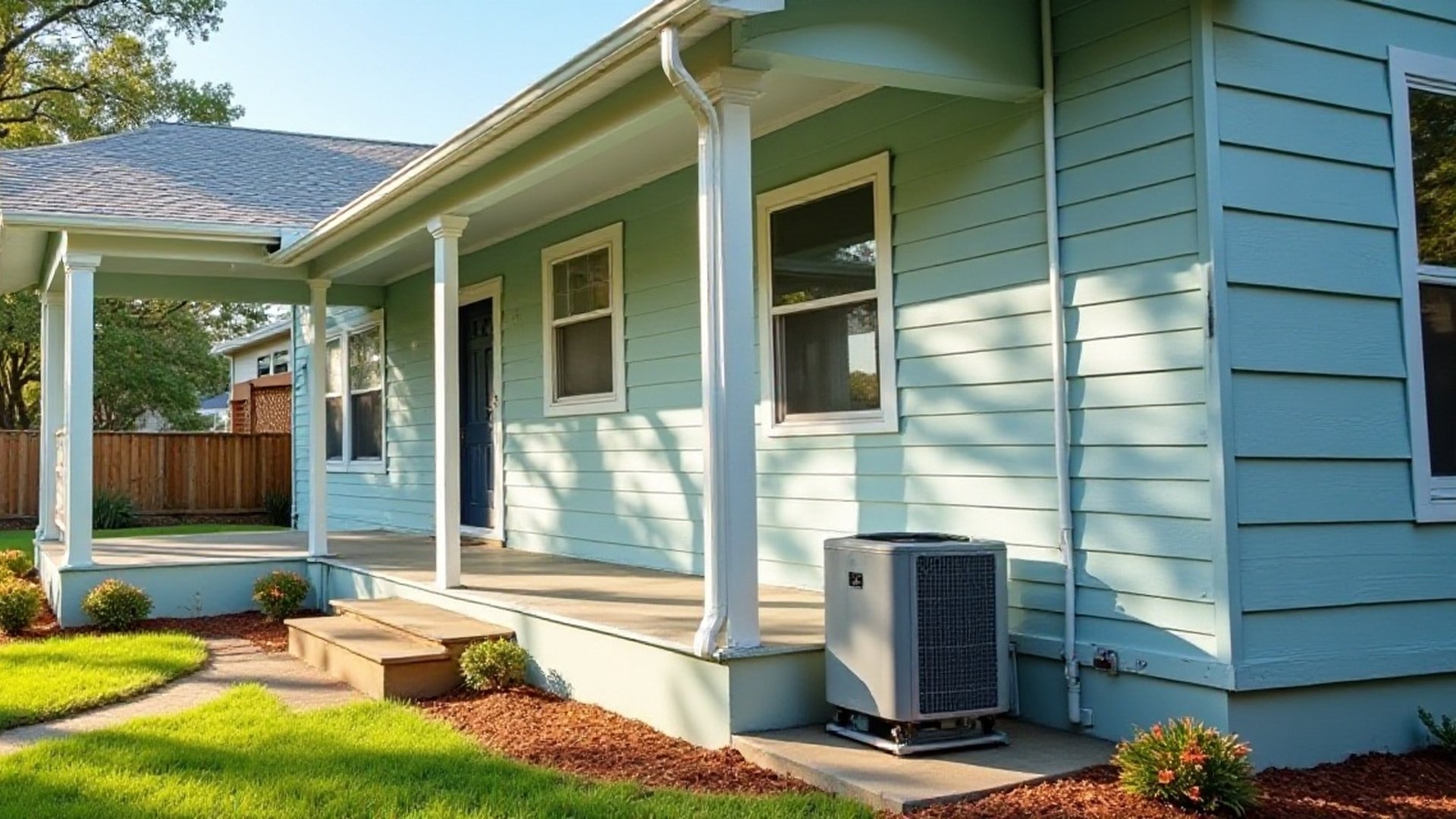
AC repair in South Austin covers more kinds of houses than almost any other part of town. Within a few miles you go from small wood-frame bungalows near South Congress to brick and siding subdivisions along Slaughter Lane, and the problems that break those systems are often different. This page explains what is particular about cooling and heating a South Austin home, and what a careful technician should look at.
Austin AC Service is a free phone line, not an HVAC contractor. Call (737) 378-9016 at any hour and an automated assistant takes your details, then transfers you to an independent, locally owned company that serves your ZIP code and holds a Texas air conditioning contractor license. That company does the diagnosis, sets the price and does the work.
South Austin houses that were built before air conditioning
Most of the original houses in Bouldin Creek went up in the 1920s and 1930s, and many are Craftsman bungalows of roughly 1,200 to 2,200 square feet. Travis Heights, laid out in 1912 between South Congress and I-35, had its building boom in the same decade, and the Travis Heights-Fairview Park Historic District joined the National Register of Historic Places in 2021. Nobody in 1925 planned a chase for a supply trunk or a closet for an air handler, so every cooling system in these houses was added later.
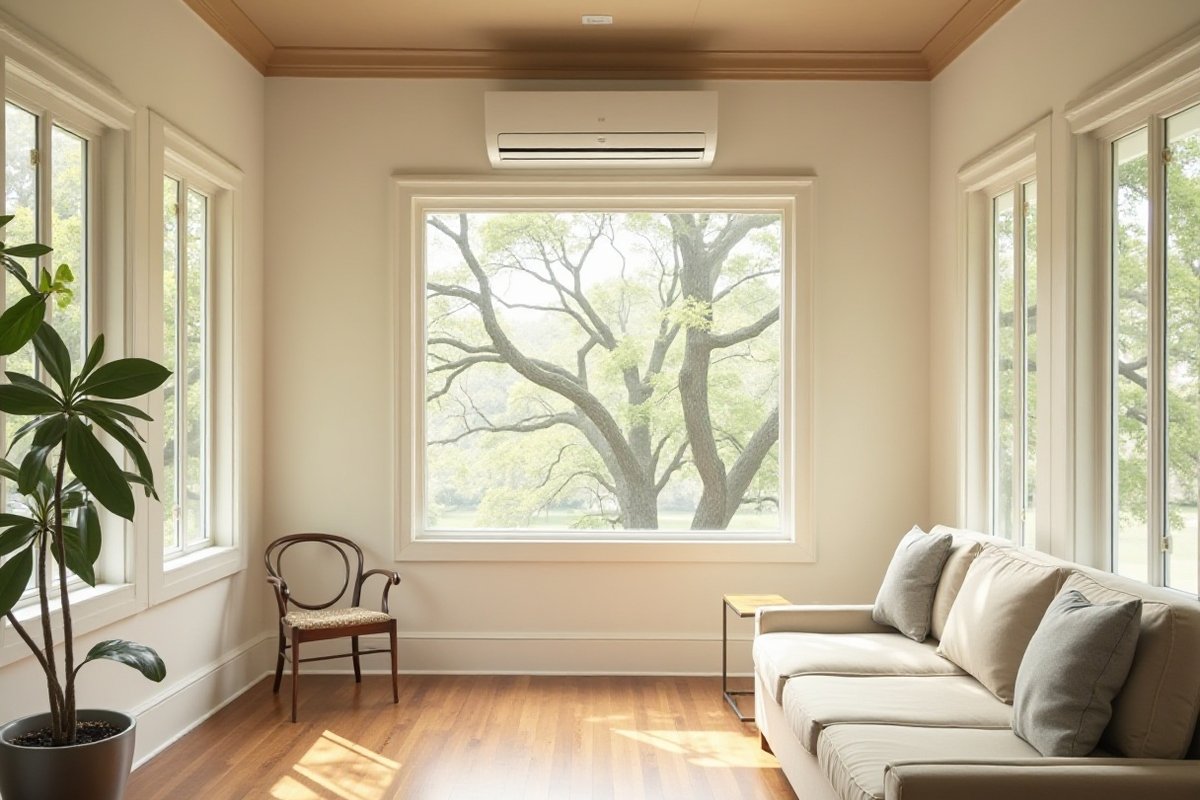
That history shows up on service calls. Ducts may run through a crawl space under a pier-and-beam floor, through an attic only a couple of feet tall, or both. Returns are often a single grille in a hallway, too small for the system it feeds. Some owners have replaced window units room by room with ductless mini-splits. When one of these houses will not stay cool, the equipment is only half the question; the other half is how the air gets to each room.
Two South Austins, two sets of AC problems
A rough guide to what tends to come up in each part of South Austin. Any single house can break the pattern, which is why the diagnosis on site matters more than the neighborhood.
| Close-in: Bouldin Creek, Travis Heights, Zilker, South Congress | Farther south: Shady Hollow, Circle C, Slaughter Lane, Brodie Lane | |
|---|---|---|
| Typical house | 1920s to 1950s cottages and bungalows, many remodeled, plus new infill homes on the same streets | 1980s to 2000s subdivisions, single-story and two-story, slab foundations |
| Where the equipment lives | Crawl space, low attic, closet, or no ducts at all with mini-split heads on the walls | Air handler and ducts in the attic, often a second system for the upstairs |
| Common complaints | Back rooms never cool, noisy undersized returns, ducts torn or disconnected under the floor | Upstairs runs hot, condensate overflows from attic units, aging equipment due for replacement |
| Worth asking about | Return air size, duct condition in the crawl space, whether a mini-split suits part of the house | Secondary drain pan and float switch, attic duct leakage, repair price next to a replacement price |
Circle C, Shady Hollow and the Slaughter Lane subdivisions
South of Ben White Boulevard the housing changes. Shady Hollow, a census-designated place that is only partly inside Austin city limits, saw its first homes in the 1970s, with most built in the 1980s and 1990s. Circle C Ranch started in 1982, sold its first homes in 1986, was annexed by the city in 1997 and has grown past 5,600 houses. Across ZIP code 78748, which takes in much of the Slaughter Lane corridor, the two largest groups of homes in Census survey data were built in the 1990s and the 2000s.
Houses from those decades put the air handler and ducts in the attic. In a South Austin August that attic gets hotter than the yard, so the indoor equipment and every foot of duct sit in the worst possible place. A system installed in 1998 is very likely on its second outdoor unit by now, and owners of 2000s homes are often deciding whether the original equipment is worth another repair. Many of these systems use R-410A refrigerant, which can still be serviced; nobody should tell you a working R-410A system has to go because of a federal deadline.
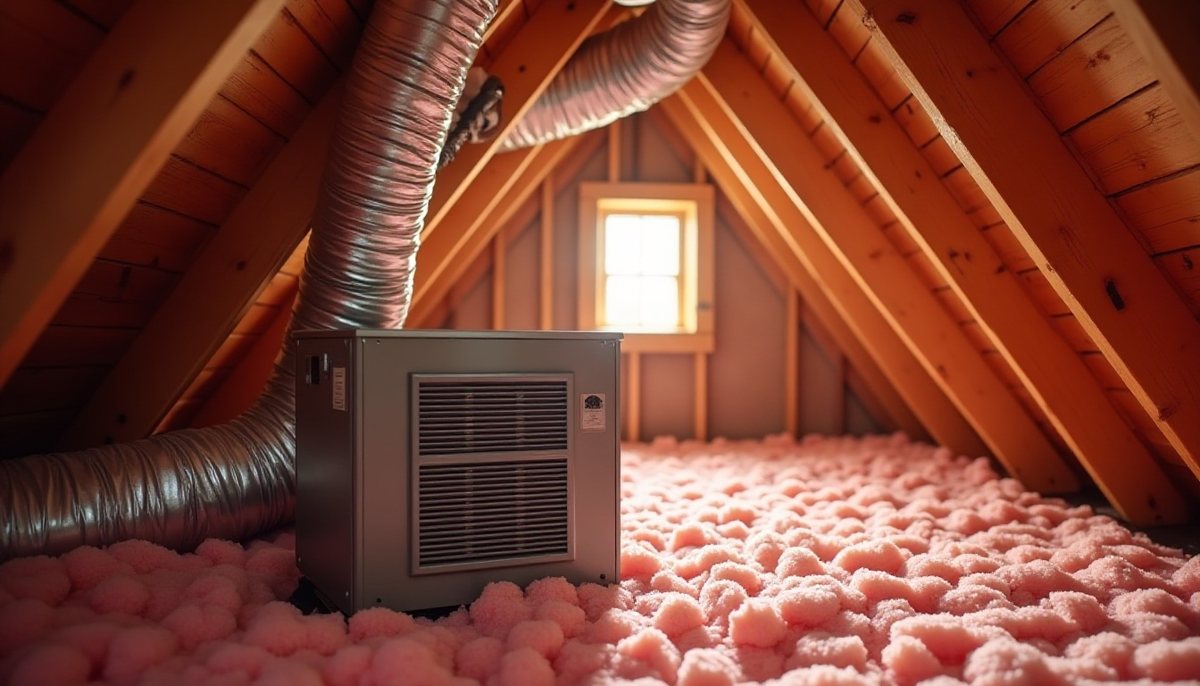
Two-story homes here bring a familiar summer complaint: the downstairs is fine and the bedrooms upstairs are four or five degrees warmer. Sometimes that is a failing upstairs unit. Just as often it is a short or crushed return, a duct that came loose in the attic, or a single system trying to serve two floors with one thermostat. A good technician measures airflow and looks at the attic ducts before blaming the equipment.
What a careful technician checks in an older South Austin house
- The duct route, end to end. In a pier-and-beam house that means a look under the floor for crushed, torn or disconnected runs, which dump cooled air into the crawl space instead of the bedroom.
- Return air. One small hallway grille cannot feed a three-ton system. Undersized returns cause noise, a cold coil and rooms that never catch up.
- Electrical capacity, at a glance. Older panels were not sized for central air plus modern kitchens. The technician should flag it and point you to a licensed electrician if a new system needs more.
- Equipment size against the house. A remodel, new windows or added insulation changes the load. Sizing should follow a Manual J calculation, not the old unit's label.
- Whether ducts make sense at all. For a small house, an addition or a converted garage, ask whether a ductless mini-split would cool it better than extending ducts.
Why South Austin homeowners call the line
It answers at 2 a.m.
The automated assistant picks up every hour of every day, including the night the upstairs unit quits in a heat wave. It never asks you for money; the call is free.
A company that knows the area
Your ZIP code decides which independent company you are put through to, so a caller in 78704 and a caller in 78739 each reach one that serves their part of town.
A licensed contractor
Every company the line connects callers with holds an active Texas air conditioning and refrigeration contractor license from TDLR, and you can confirm it yourself.
Old houses and new ones
Describe your house when you call, whether it is a 1920s pier-and-beam bungalow or a two-story in Circle C. The company hears that summary before it picks up.
South Austin details worth knowing
- ElectricityAustin Energy, the city-owned utility, serves Austin and nearby areas such as Sunset Valley and Manchaca, about 437 square miles in all. Its HVAC rebates require a participating contractor, so ask about eligibility before you sign a replacement contract.
- Natural gasTexas Gas Service supplies gas in Austin. If you smell gas, leave the house, then call 911 and its 24-hour line at 800-959-5325 from outside.
- PermitsInside city limits, a new heating or cooling system needs a City of Austin mechanical permit and inspection. The installer normally pulls it.
- Selling a houseThe ECAD ordinance requires an energy audit and disclosure before most sales of Austin Energy homes in city limits that are 10 or more years old. The HVAC system and ducts are part of that audit.
- The groundMost of South Austin west of I-35 sits on shallow, rocky soil over limestone; east of the interstate the Blackland Prairie clay swells and shrinks with rain and drought, which can tilt an outdoor unit's pad over time.
- WeatherCamp Mabry logged 80 days of 100 degrees or more in 2023 and dropped to 6 degrees during Winter Storm Uri in 2021, so heat pumps and furnaces here get tested at both ends.
Repairs South Austin homes need most
In summer, most calls start as AC repair: warm air at the vents, a condenser that hums without spinning, or water in a ceiling under an attic unit. When the problem shows up on a weekend or overnight, the emergency AC and heating repair page covers what is worth fixing tonight and what can wait. Freezes like Uri and the 2023 ice storm turned heating repair into a South Austin concern too, especially for heat pumps that lean on backup heat strips.
Older close-in houses benefit most from a look at their ducts; the air duct cleaning page explains when cleaning helps and when sealing or replacing the runs matters more. If you are buying or selling, an HVAC inspection before the option period ends tells you what you are getting, and the Austin Energy rebates guide is worth reading before any replacement.
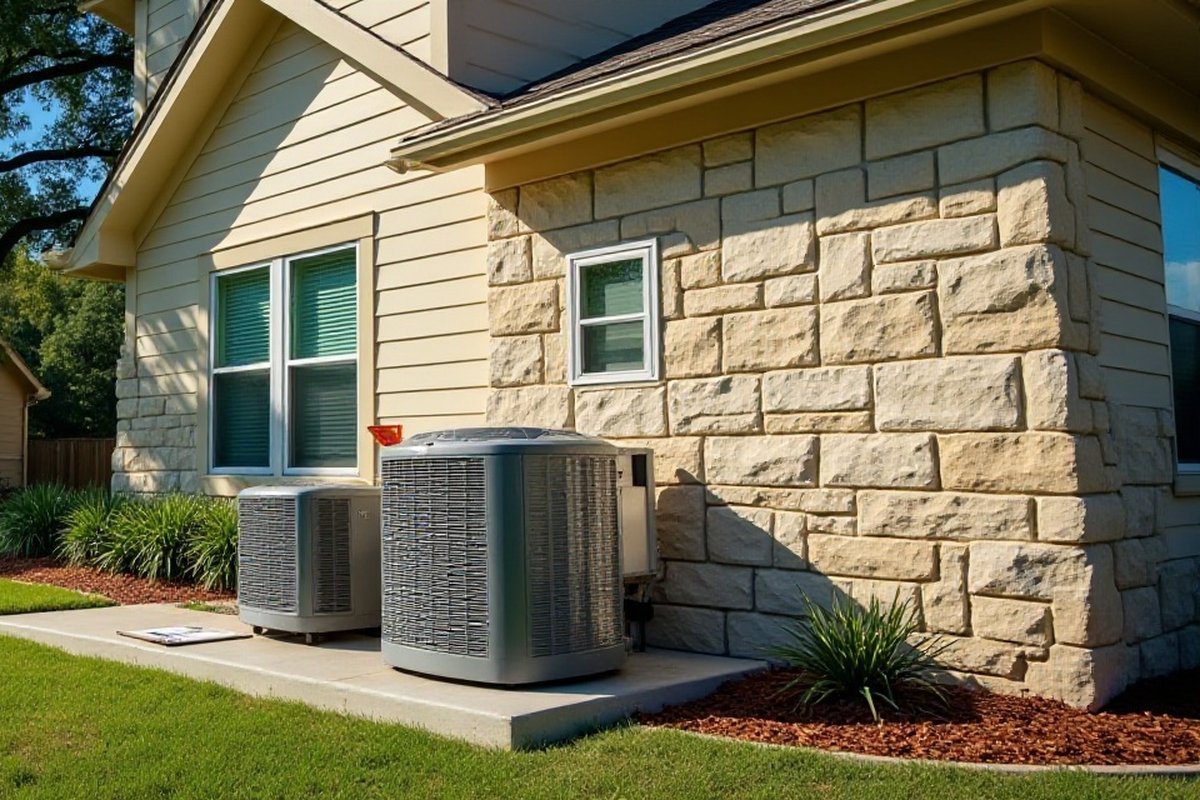
Tell the assistant your ZIP code and what the system is doing, for example "upstairs unit blowing warm air" or "water dripping from the hall ceiling". That summary goes to the company before it picks up.
What happens when you call from South Austin
- Call any hourAn automated assistant answers (737) 378-9016 and asks whether it is about cooling or heating.
- Describe the problemGive your name, a callback number, your city or ZIP and what the system is doing.
- Get put throughThe call goes to an independent, locally owned HVAC company, which hears a short summary before it picks up.
- Deal with them directlyThat company diagnoses, quotes, does the work and is paid by you. If it cannot answer, it gets your details to call back.
How this line works: Austin AC Service is a free phone line, not an HVAC company. It does not repair, install, quote or schedule work and holds no license. Calls are transferred to independent, locally owned HVAC companies that hold Texas air conditioning and refrigeration contractor licenses. Those companies may pay Austin AC Service a referral fee. You never pay the line. How it works.
Check any license yourself. Texas air conditioning and refrigeration contractors are licensed by the Texas Department of Licensing and Regulation. Ask for the license number and look it up at tdlr.texas.gov (opens in a new tab).
Services South Austin homeowners ask about
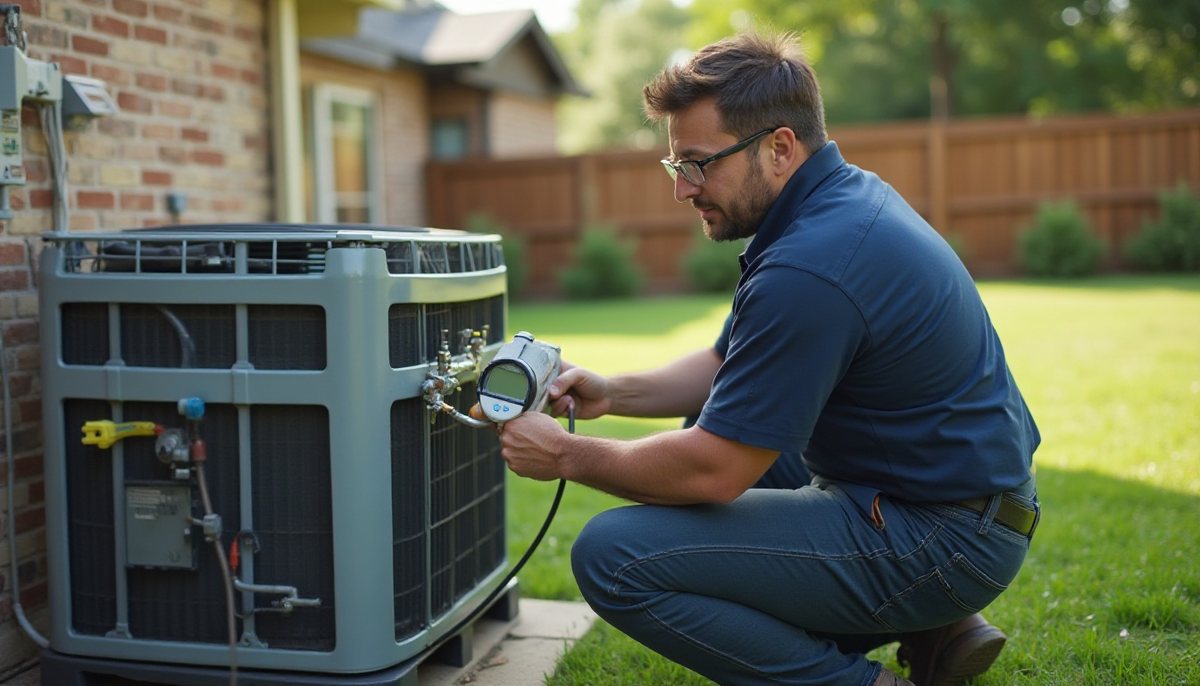
AC Repair
Warm air, a unit that hums but will not start, ice on the lines or water in the ceiling. What a proper diagnosis covers and what to ask before a repair.
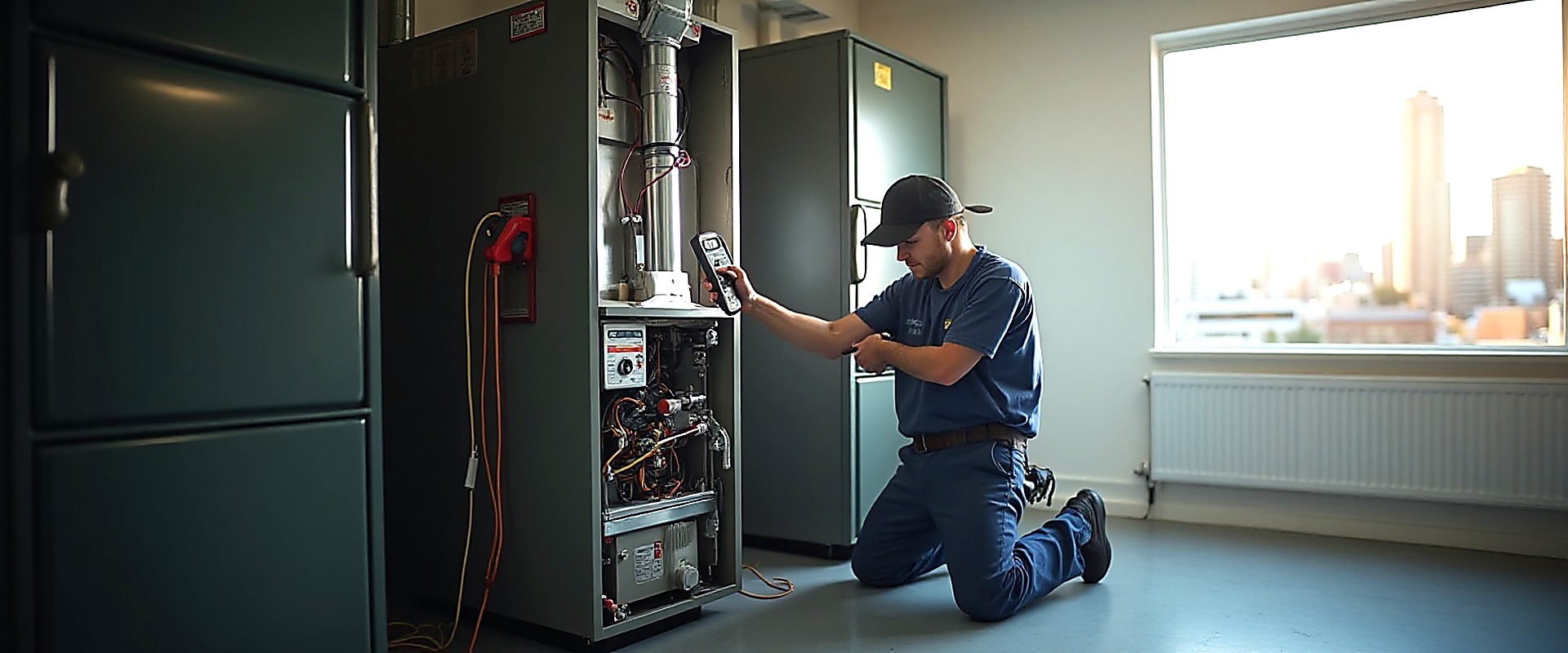
Heating and Furnace Repair
Gas furnaces, heat pumps and emergency heat. Why Austin heating systems fail on the first cold night and what a good technician checks.
Air Duct Cleaning
When duct cleaning is worth paying for, what the EPA and NADCA say, and how to spot a too-good-to-be-true offer.
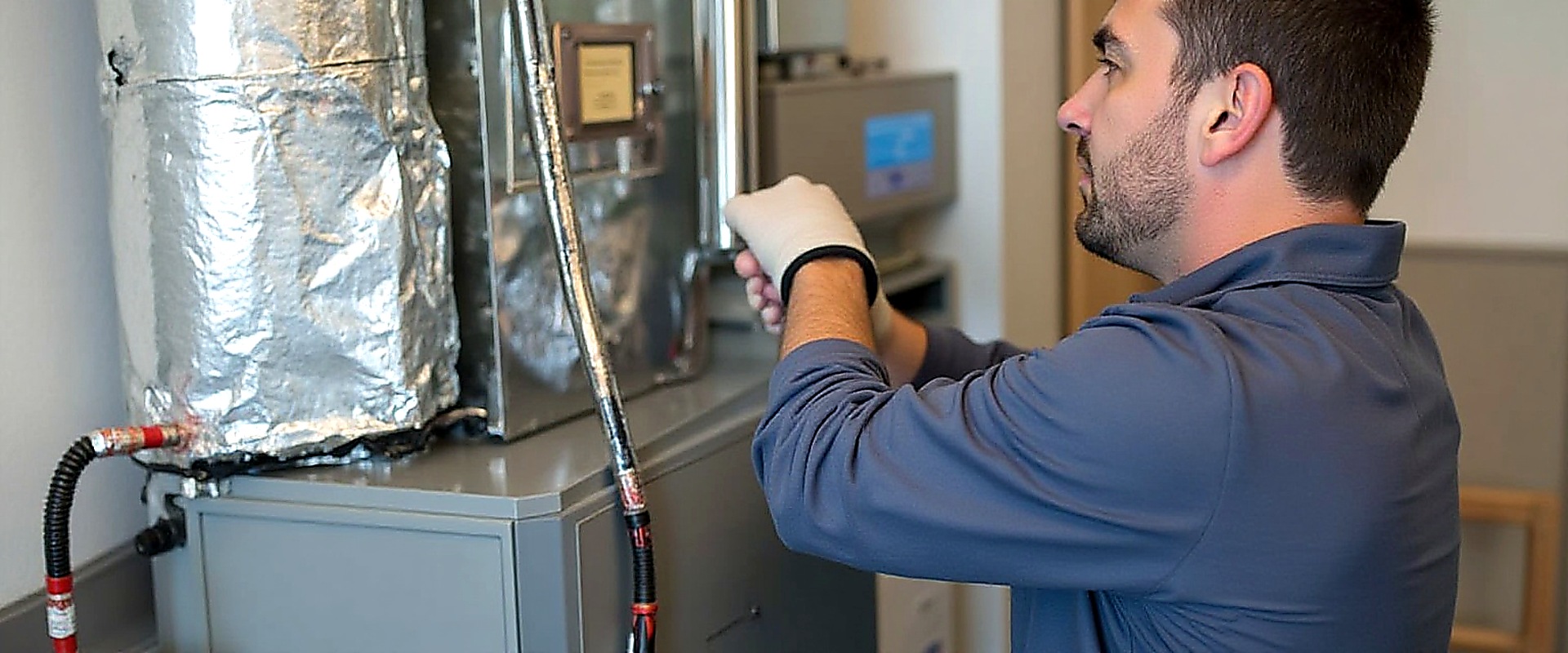
HVAC Inspection
Buying or selling a home, the Austin Energy ECAD audit, and what an HVAC inspection looks at that a general home inspection may not.
Nearby areas
Every area the line covers: