
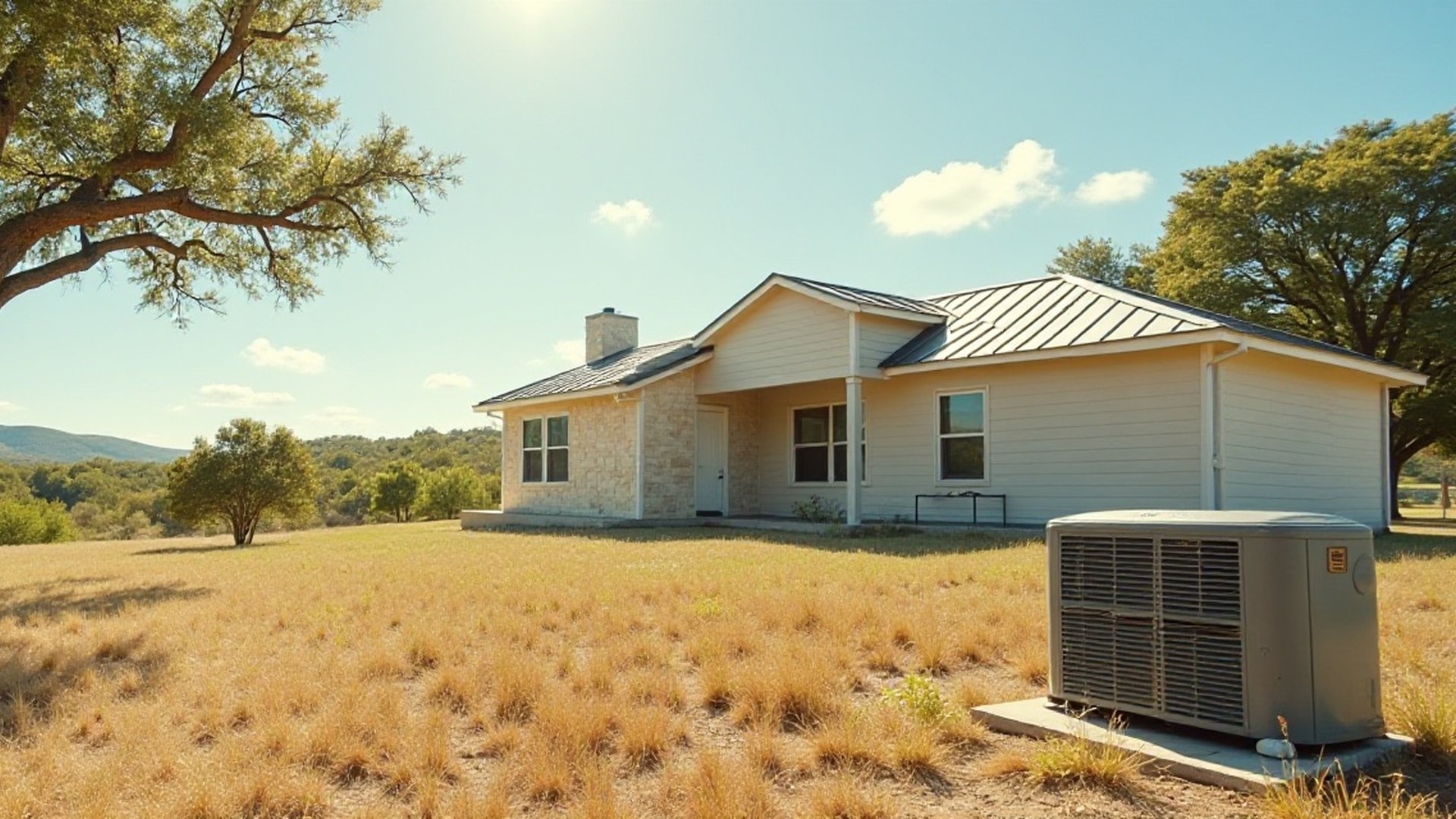
AC repair in Dripping Springs, TX covers a wider spread of homes than almost anywhere else in the Austin area: newer houses in planned communities near the highway, older places on the edge of town, and ranch homes on acreage miles down a county road. Wherever yours is, one free call gets you put through to a licensed local HVAC company that works the Hill Country west of Austin.
Austin AC Service does not drive out to anyone. It is a phone line. An automated assistant answers (737) 378-9016 day and night, asks whether you need help with cooling or heating, collects your name, a number to call back, your town or ZIP and a quick description of the problem, then hands the call to an independent company. That company diagnoses the problem, quotes, does the work and is paid by you.
Keeping cool on the edge of the Hill Country
Dripping Springs sits in northern Hays County on the Edwards Plateau, the limestone country that rises west of the Balcones Escarpment. Lots are bigger and more spread out than on the prairie east of Austin, many houses stand alone on a rise with no neighbor to shade them, and the summer sun hits the outdoor unit from dawn until it drops behind the hills. Austin's official weather station logged 80 days of 100 degrees or hotter in 2023, and an air conditioner in an open Hill Country yard sees every one of them.
Distance changes the repair, too. On acreage the outdoor unit may sit well away from the house on a long refrigerant line, a second system may serve a guest house or workshop, and the nearest parts counter is a drive away. That is why a good description on the phone matters more here than in a city lot: the company you are put through to can load the likely parts before it leaves.
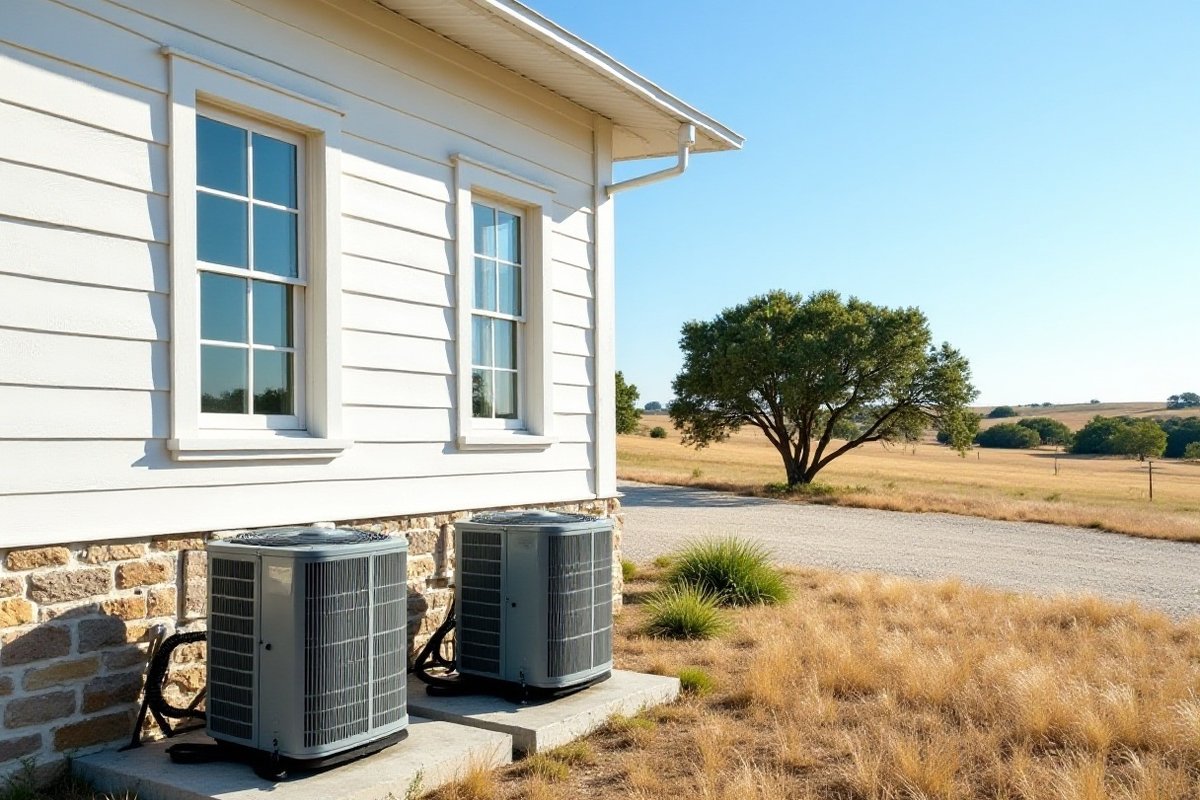
Three ways Dripping Springs homes are heated
In the middle of Austin almost every house is on either natural gas or electric heat. Around Dripping Springs you will find all three of the options below, sometimes on the same street. Tell the company which one you have when you call about heating.
| Detail | Natural gas furnace | Propane furnace | Heat pump with backup heat |
|---|---|---|---|
| Where you find it | Homes on a gas main. The City of Dripping Springs is inside the Texas Gas Service Central Texas service area. | Homes beyond the gas mains, with a tank in the yard, and some subdivisions served by a metered propane system | All-electric homes, common where there is no gas at all |
| Fuel to check first | Other gas appliances working; gas bill current | Tank gauge reading. An empty tank is a frequent winter no-heat call. | Breakers for both the outdoor unit and the indoor backup heat |
| What often fails | Ignitor, flame sensor, pressure switch, draft inducer | The same parts as natural gas, plus problems at the regulator or supply line, which belong to the propane supplier | Defrost controls, reversing valve, backup heat strips, outdoor fan |
| In a hard freeze | Keeps heating if gas and power both stay on | Keeps heating as long as there is fuel and power; plan deliveries before a forecast cold snap | Leans heavily on electric backup heat and runs up the electric bill |
| Safety | Smell gas? Leave the house without touching switches and call the gas utility or propane supplier, or 911, from outside. Carbon monoxide alarm? Get everyone out and call 911. | ||
A fall checklist before the first Hill Country freeze
Winter Storm Uri in February 2021 kept Austin below freezing for 144 hours and dropped its official station to 6 degrees. Hilltop homes outside town feel that kind of cold early, and a repair call in the middle of a regional freeze waits behind everyone else's. A few safe checks in October or November help.
- Run the heat for a full cycle on a mild day. A short burning-dust smell the first time is normal. A smell that lingers, or no warm air after several minutes, is worth a call.
- Read the propane gauge. If you heat with propane, schedule a delivery well before the coldest months rather than during a forecast freeze.
- Test the carbon monoxide alarms. Every home with gas or propane heat should have working CO alarms near the bedrooms.
- Change the filter. Mountain cedar pollen, which peaks in midwinter across the Hill Country, loads filters quickly.
- Look at the outdoor heat pump unit. Clear leaves and grass from around it so it can defrost properly, and keep the area around it free of anything that could block airflow.
- Book a heating tune-up if it is overdue. A technician should test the burner or heat strips, the safety controls and, on gas and propane systems, check for carbon monoxide at the flue.
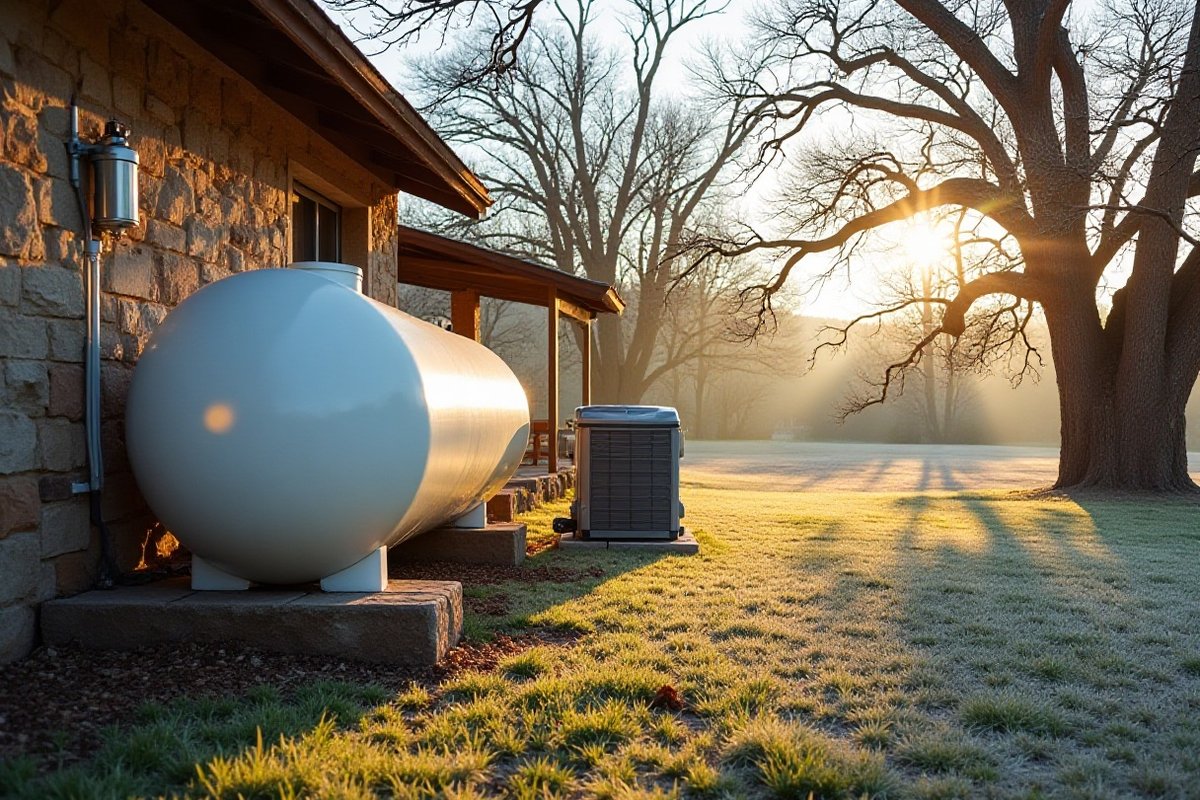
The heating and furnace repair page covers what a technician should test on each type of system in more detail.
Before a company drives out: what to tell it
The automated assistant asks for the basics. When the HVAC company picks up, these details save a second trip down a long road.
- Which system. Main house, upstairs, guest house, barn or workshop. Say how many systems the property has.
- What it is doing. Not cooling, not heating, iced up, short cycling, leaking water, or completely dead. Say whether the outdoor unit runs.
- How it heats. Natural gas, propane or heat pump, from the table above.
- The age and brand if you know them. A photo of the label on the outdoor unit helps the company check parts before it leaves.
- How to find you. Gate codes, the turn off the county road and where the equipment sits on the property.
- The money questions. Ask about the diagnostic fee and any trip charge for distance before a technician is sent.
Why Dripping Springs homeowners call the line
A company that goes west of Austin
The call is transferred to an independent, locally owned company serving your part of the Austin area, which takes the guesswork out of whether a company will come out to the Hill Country.
Propane, gas and heat pumps in one call
The assistant asks whether it is cooling or heating and what the system is doing, and the company hears that summary before it picks up, so you are not explaining from scratch.
A Texas license behind the work
Any company you are put through to is licensed by TDLR as an air conditioning and refrigeration contractor, and the free license search at tdlr.texas.gov shows its status.
Free, any hour
The line costs callers nothing and answers 24 hours a day. If the company cannot pick up, it gets your details to call back.
Electricity, rebates and permits around Dripping Springs
- Electric utilityAustin Energy rebates apply only to Austin Energy customers, so start with the name on your electric bill. If it reads Pedernales Electric Cooperative (PEC), you are a member of a co-op headquartered in Johnson City whose service area covers about 8,100 square miles of Central Texas; ask PEC what efficiency programs it runs before you replace a system.
- Natural gasTexas Gas Service lists Dripping Springs among the incorporated areas of its Central Texas service area. Outside the mains, homes rely on propane or electric heat.
- PermitsInside the city limits, the City of Dripping Springs is the office to ask about permits for an HVAC replacement. Some homes with a Dripping Springs mailing address sit outside the city limits in unincorporated Hays County. Ask the installer which jurisdiction covers your address and whether permit costs are in the quote.
- RefrigerantNew systems built since 2025 use newer refrigerants such as R-454B. An existing R-410A system can still be repaired. The free refrigerant guide explains the change.
Services that matter most out here
Distance makes maintenance worth more: a spring check on each system is cheaper than an emergency trip in July. Heating gets more attention than in town because of propane and heat pumps, and anyone buying an acreage property should have every system inspected before the option period ends.
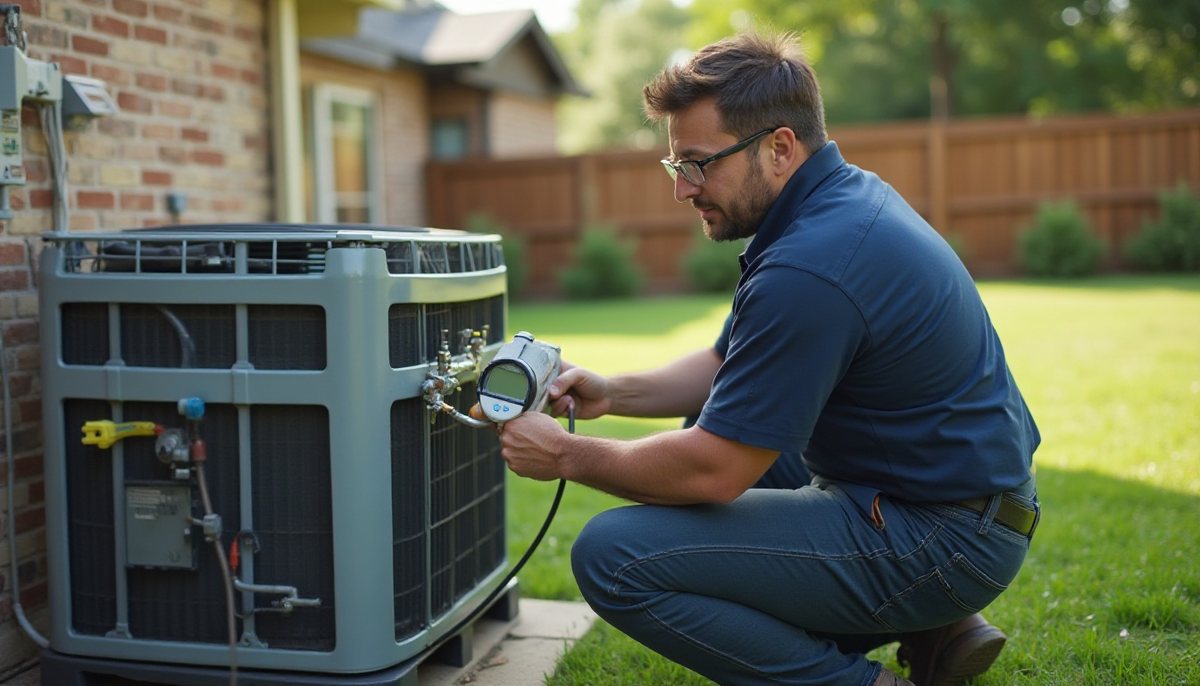
AC Repair
Warm air, a unit that hums but will not start, ice on the lines or water in the ceiling. What a proper diagnosis covers and what to ask before a repair.
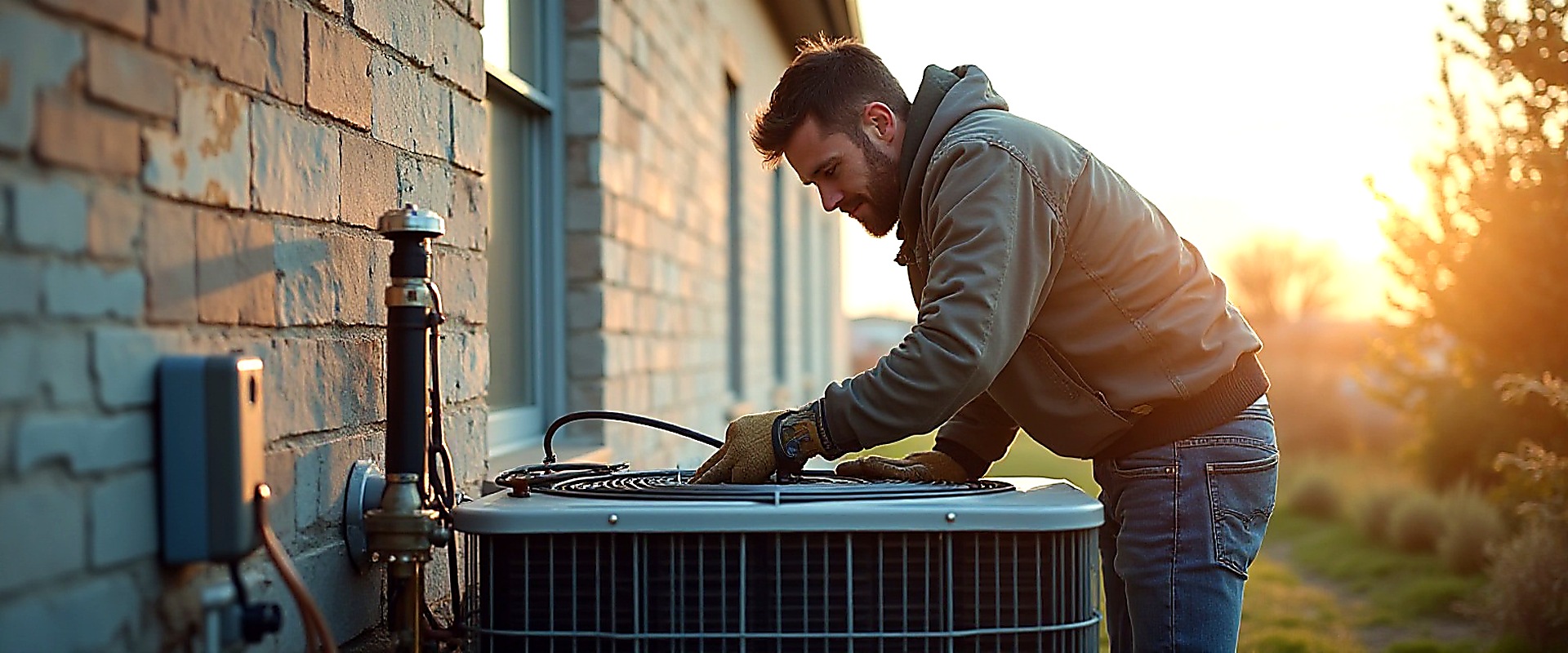
Emergency AC and Heating Repair
No cooling in a 100-degree week or no heat in a freeze. What counts as an emergency, what is safe to check first, and when to leave the house.
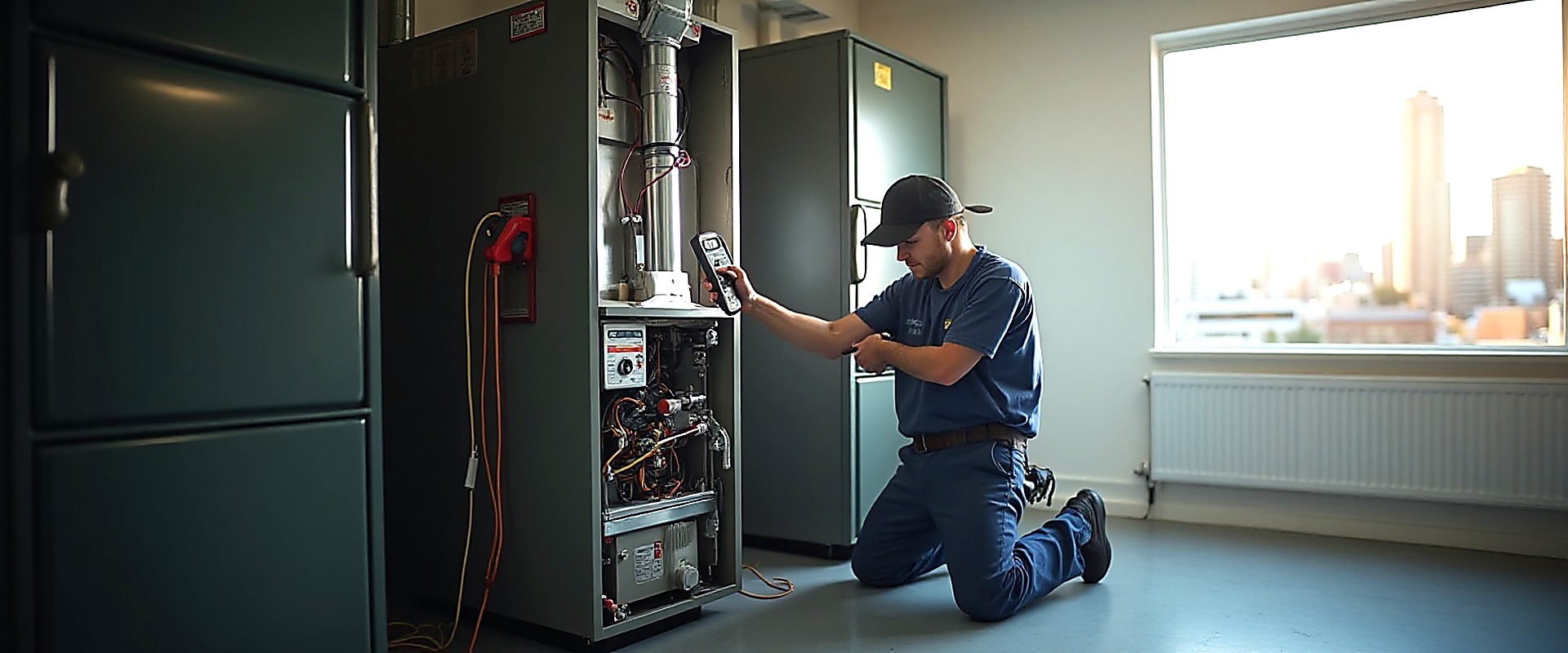
Heating and Furnace Repair
Gas furnaces, heat pumps and emergency heat. Why Austin heating systems fail on the first cold night and what a good technician checks.
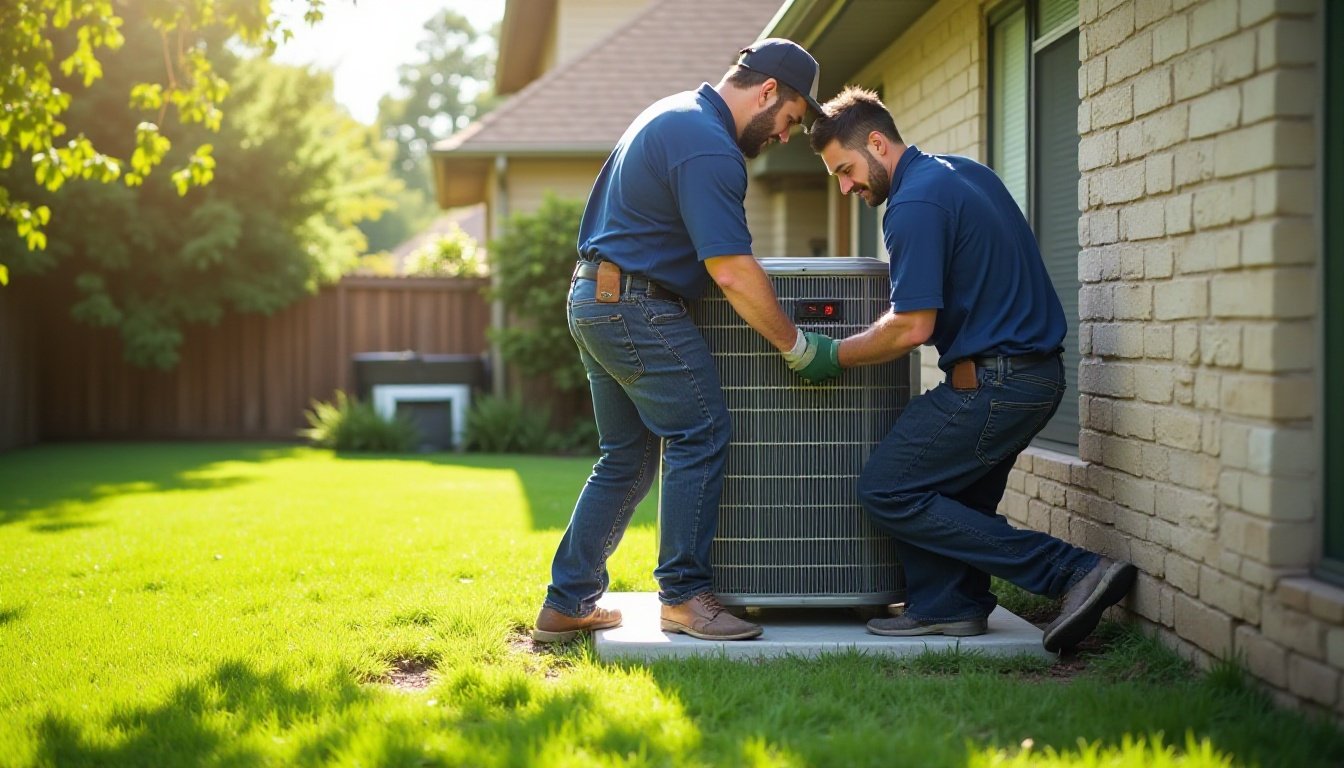
AC Installation and Replacement
Repair or replace, sizing by load calculation, the R-454B refrigerant change, permits, and Austin Energy rebates.
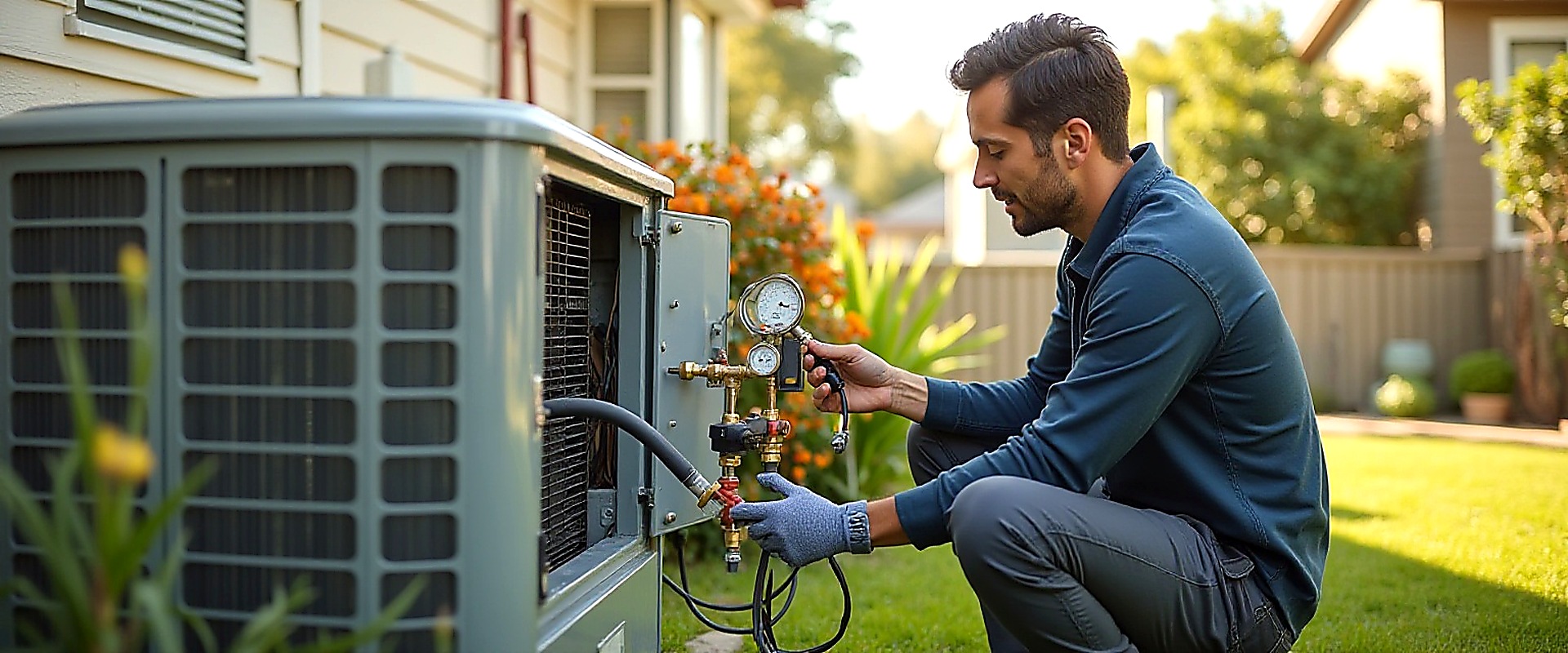
HVAC Maintenance and Tune-Ups
A spring cooling check before the heat and a fall heating check before the first freeze, and what a real tune-up includes.
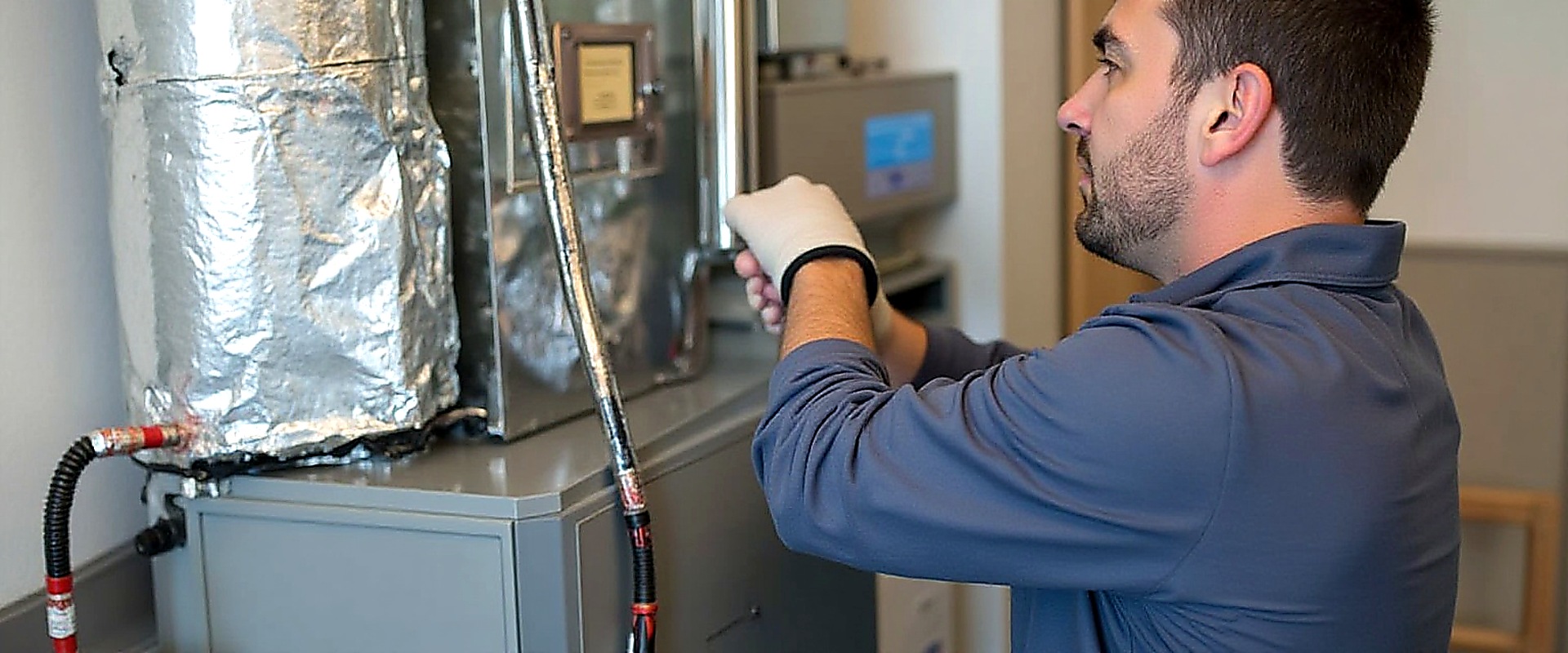
HVAC Inspection
Buying or selling a home, the Austin Energy ECAD audit, and what an HVAC inspection looks at that a general home inspection may not.
- Call any hourAn automated assistant answers (737) 378-9016 and asks whether it is about cooling or heating.
- Describe the problemGive your name, a callback number, your city or ZIP and what the system is doing.
- Get put throughThe call goes to an independent, locally owned HVAC company, which hears a short summary before it picks up.
- Deal with them directlyThat company diagnoses, quotes, does the work and is paid by you. If it cannot answer, it gets your details to call back.
How this line works: Austin AC Service is a free phone line, not an HVAC company. It does not repair, install, quote or schedule work and holds no license. Calls are transferred to independent, locally owned HVAC companies that hold Texas air conditioning and refrigeration contractor licenses. Those companies may pay Austin AC Service a referral fee. You never pay the line. How it works.
Check any license yourself. Texas air conditioning and refrigeration contractors are licensed by the Texas Department of Licensing and Regulation. Ask for the license number and look it up at tdlr.texas.gov (opens in a new tab).