Spring and fall checks catch small problems before they become breakdowns. Call any time and you will be put through to a licensed local HVAC company.
Call (737) 378-9016Book the cooling check in March or April, before the first 100-degree week, and the heating check in October, before the first freeze. Those are the quiet months for HVAC companies, so scheduling is easy. Wait for the first heat wave and you are competing with every system in the city that failed the same week.
Clean the outdoor coil, test the capacitor and contactor, check refrigerant pressures against the manufacturer's range, clear the condensate drain and float switch, and check airflow.
Inspect burners, flame sensor and ignitor, check the heat exchanger and venting, test for carbon monoxide, and check heat pump defrost and backup heat.
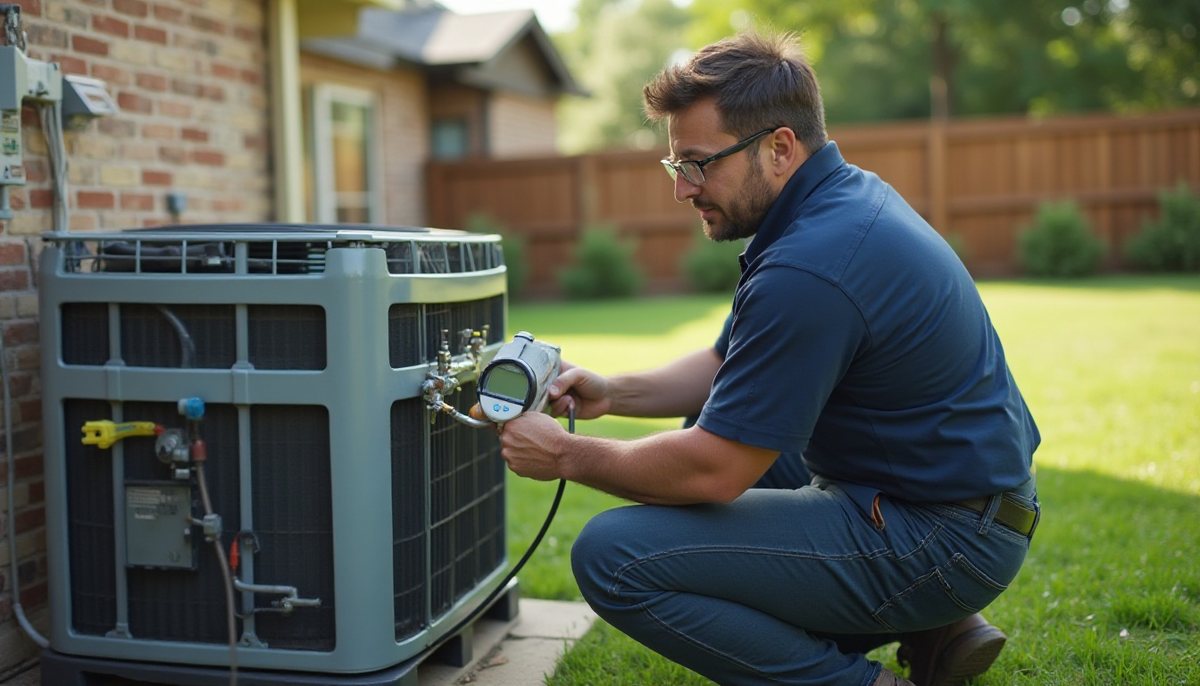
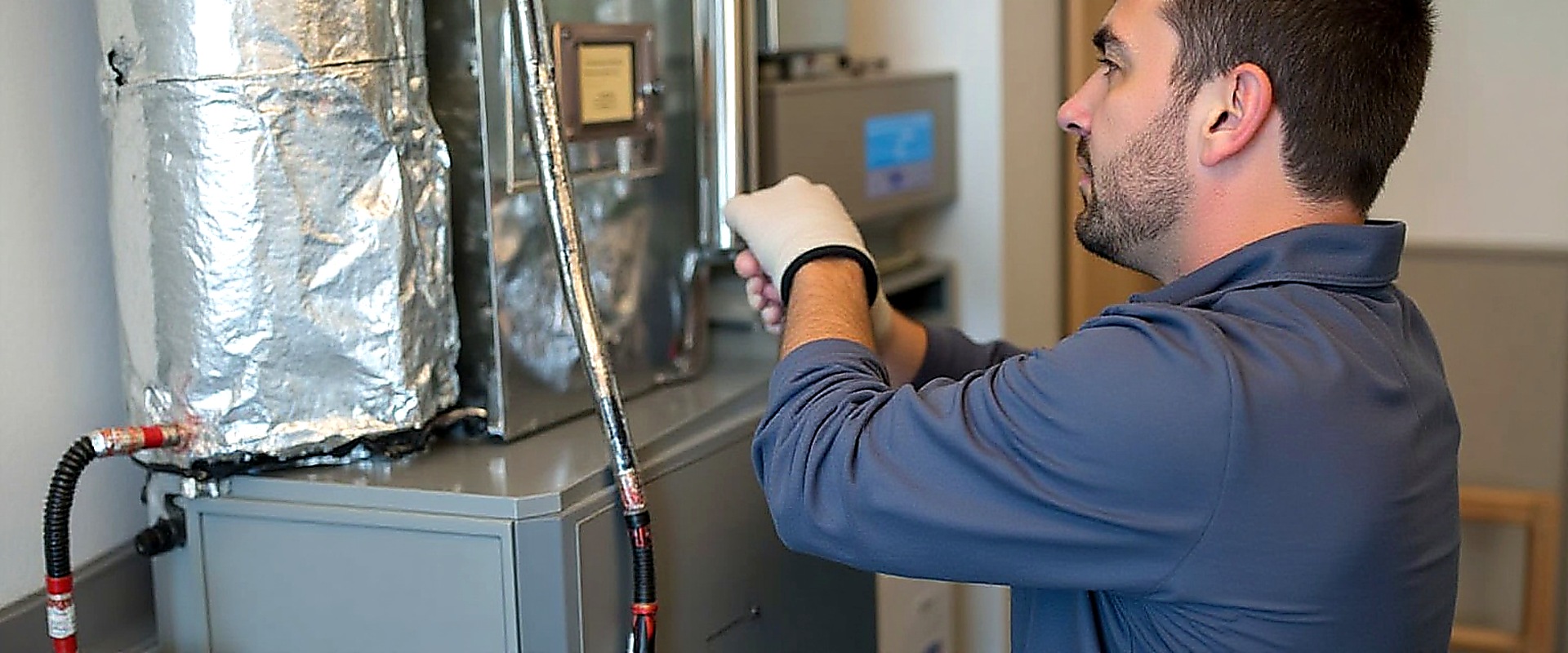
A tune-up that turns into a replacement pitch, a list of urgent repairs with no explanation of what failed, and yearly refrigerant top-ups. A healthy system does not use up refrigerant; if it is low, it has a leak, and the leak is the repair. It is always reasonable to ask to see the worn part and to get a second opinion before paying for anything major.

Many companies sell yearly plans with two visits and some priority scheduling. Ask exactly what each visit covers, whether parts are discounted, and how the plan renews. Call and you will be put through to a licensed local HVAC company to book a check.
Twice a year is typical: cooling in spring and heating in fall.
Every one to three months, and more often in cedar pollen season or with pets.
No. A sealed system does not use refrigerant. If it is low, there is a leak that should be found and fixed.
It can be if the visits are thorough and the plan terms are clear. Ask what each visit includes before you sign up.
The line is answered around the clock. You will be put through to a licensed local HVAC company.
Call (737) 378-9016