
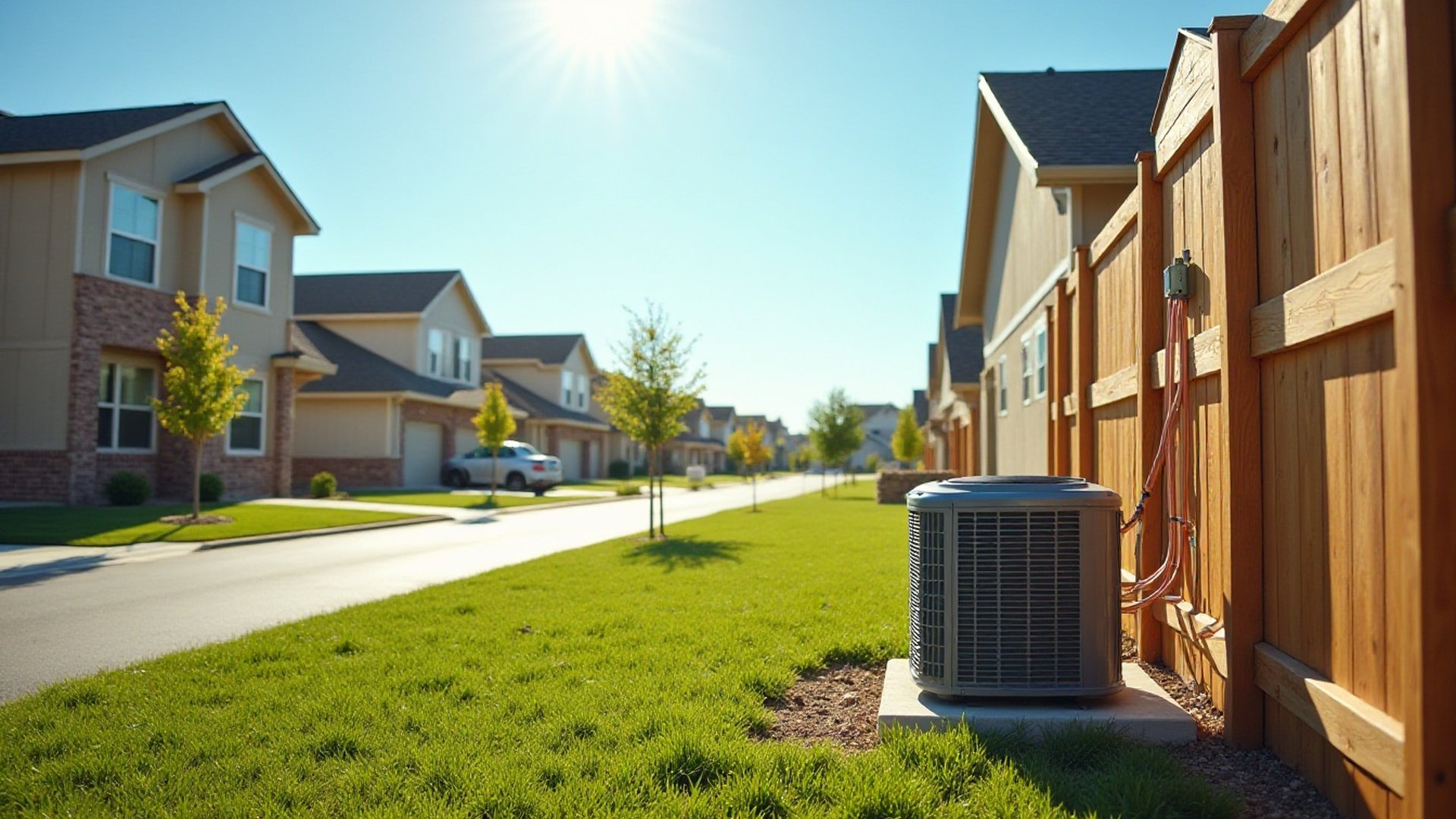
AC repair in Manor, TX is mostly about young houses on open land. The city more than doubled in population between 2010 and 2020, so the typical call here is less about worn-out equipment and more about a new system with a small part failure, a drain that clogged, or ductwork that never delivered enough air to the back of the house. One free call puts you through to a licensed local company that can sort out which it is.
Austin AC Service is not that company. The line is answered around the clock by an automated assistant on (737) 378-9016. It asks whether you need cooling or heating help, then your name, number, city or ZIP and what the system is doing, and transfers you to an independent HVAC company serving the Manor area. That company diagnoses, quotes, does the work and is paid by you.
Manor, from cotton depot to commuter suburb
Manor was laid out in 1872 after James Manor gave right of way to the railroad being built toward Austin, and for decades it was the shipping point for Travis County cotton, as the Texas State Historical Association records. The old downtown around the rail line still has that small-town grid. Around it, the city has changed almost beyond recognition: the census counted 5,037 residents in 2010 and 13,652 in 2020, an increase of more than 160 percent in ten years.
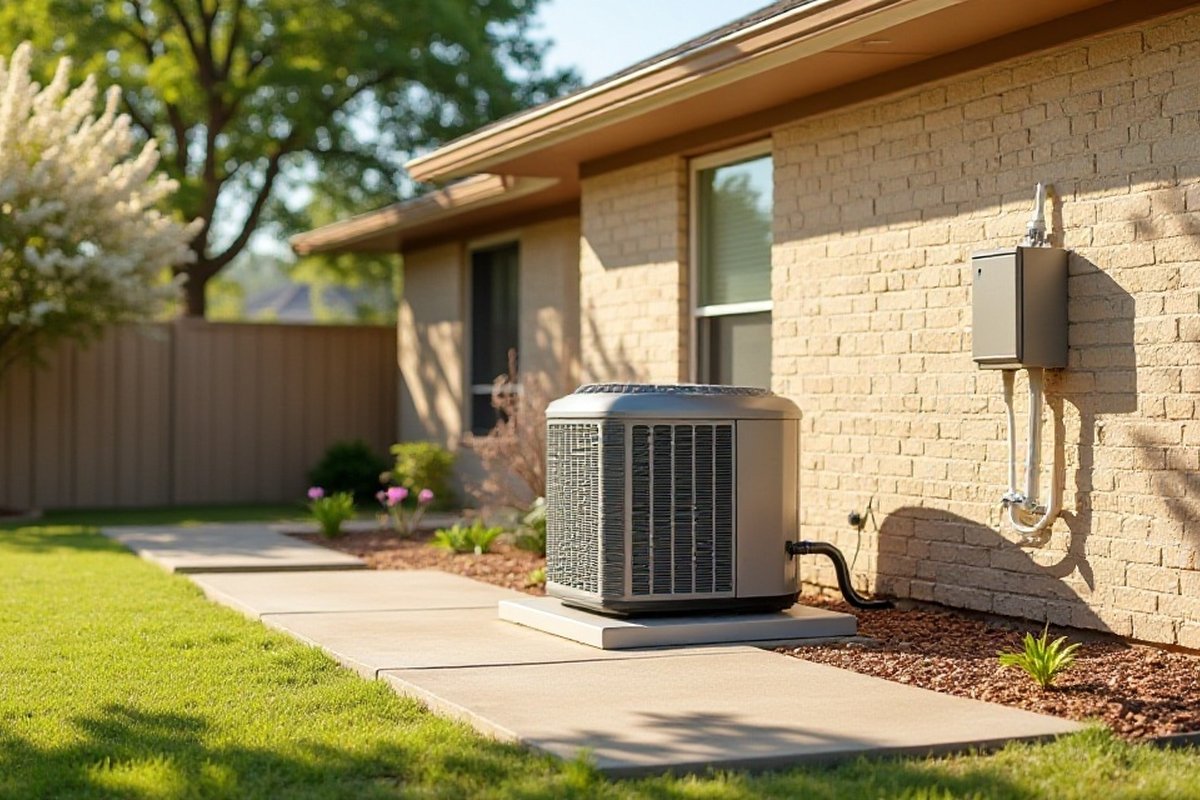
Most of that growth is master-planned subdivisions such as ShadowGlen, Presidential Glen, Stonewater and Wildhorse Creek, built on flat former farmland with few mature trees. Houses there tend to be slab-on-grade, with the air handler in the attic or a hall closet and the condenser on a pad in a side yard that gets full sun from morning to evening. That combination makes the outdoor unit work hard every summer afternoon.
Common AC problems in newer Manor homes
These are the patterns that show up when a system is under about ten years old. They are a guide to the conversation with the technician, not a diagnosis.
The first big heat wave
A capacitor or contactor that was marginal from the factory often fails in the first summer that pushes past 100 degrees for weeks. It is usually a modest repair and may fall under the parts warranty.
Drains and float switches
Construction dust, drywall grit and summer algae clog condensate lines. In an attic unit, the float switch then shuts the system off, which looks like a dead AC but is the safety doing its job.
Rooms that never cool
Long flex runs, sharp bends and too few returns starve rooms at the far end of the house. Ask for airflow readings at the register before anyone blames the unit.
A slow refrigerant leak
On a young system, a leak is often at a brazed joint, a service valve or the indoor coil. A good technician finds and repairs it, rather than simply adding refrigerant each summer.
Thermostat setup
Builder-installed smart thermostats sometimes have the wrong equipment type set, or a schedule nobody programmed. Check the mode, the setting and the schedule before calling.
Short cycling
A system that starts and stops every few minutes can be oversized for the house, have a thermostat near a supply vent, or be low on charge. Each needs a different answer.
Check the warranty before you pay for a repair
Equipment in a Manor home bought new is often still inside its parts warranty, and the house itself may carry a builder warranty that covers the HVAC system for a period after closing. Terms differ by builder and manufacturer, and some manufacturers ask for online registration to get the longest parts coverage. A few minutes with your closing folder can save real money.
- Find the papers. Look for the builder warranty booklet and any equipment registration emails or cards from the time you closed.
- Note the model and serial numbers. They are on a label on the outdoor unit and on the indoor air handler or furnace. Take a photo of each.
- Mention it on the call. Tell the company you are put through to how old the house is and that you think the equipment is under warranty. Parts may be covered even when labor is not.
- Ask what is billed. Get the diagnostic fee and any labor charge in writing before the work starts, and ask the company to note the failed part number on the invoice.
Black clay under the condenser pad
Manor sits on the Blackland Prairie, the band of deep, dark clay soil that covers roughly the eastern half of Travis County, east of the Balcones Escarpment. The dominant soil there, the official state soil of Texas, is a classic shrink-swell clay: it swells when it soaks up water and cracks open as it dries. Foundations are designed around it. Outdoor AC units usually are not.
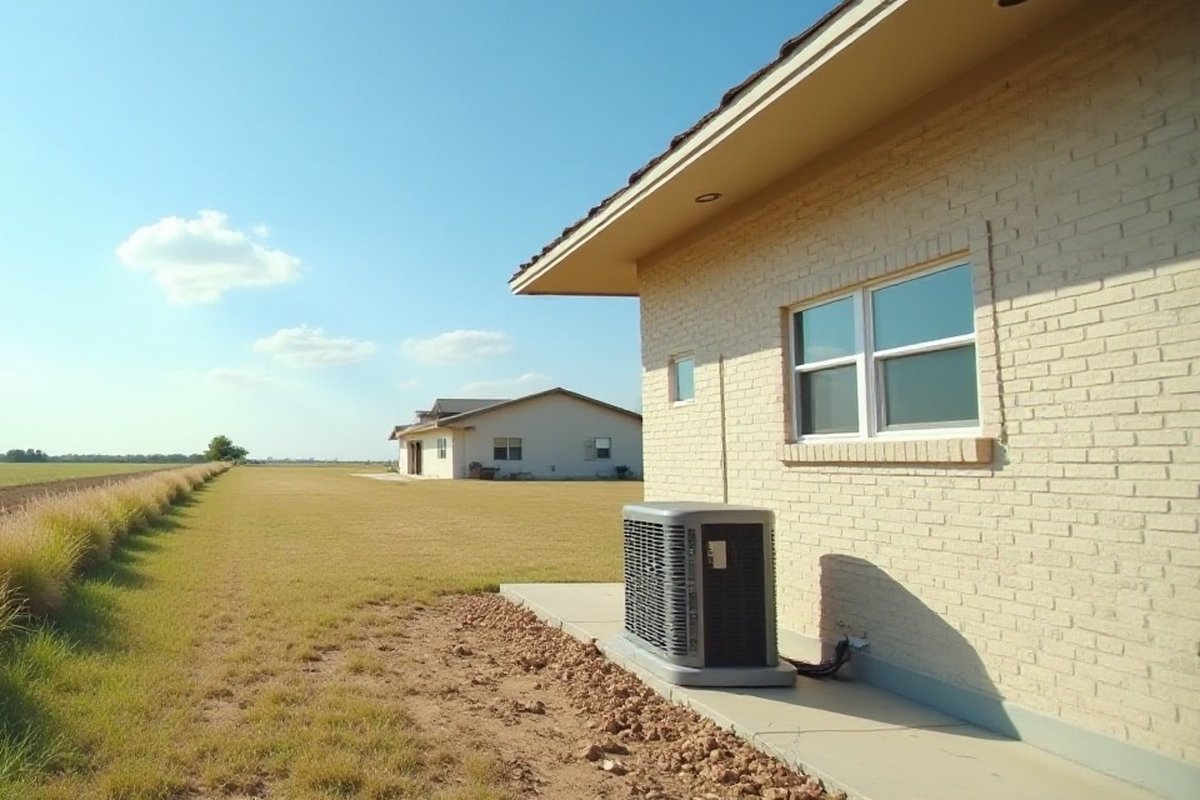
Over a few seasons, a pad on black clay can tilt or sink. A slight lean is not an emergency, but a unit that is noticeably out of level puts strain on the copper refrigerant lines where they leave the cabinet and can affect how the compressor and coil drain. If yours has visibly shifted, mention it on the call. Leveling the pad and checking the line set is a job for the HVAC company, because the refrigerant lines should not be bent or pulled by hand.
A good habit in clay country: keep sprinklers and downspouts from soaking the ground right around the outdoor unit, and keep two feet clear on every side so it can breathe. Do not stack soil or mulch up against the base of the cabinet.
Whose name is on your electric bill?
Manor is an edge-of-the-metro town, and the electric map shows it. Knowing your utility helps when you weigh a replacement, a rebate claim or a summer bill that jumped.
- Oncor service area. Oncor owns the poles and wires and handles outages. You choose a retail electric provider for the actual plan and price, the same as most of deregulated Texas.
- Bluebonnet Electric Cooperative. A member-owned co-op founded in 1939 that serves 14 Central Texas counties. It opted out of retail competition, so members buy power directly from the co-op.
- Austin Energy. Its Power Saver rebates apply only to Austin Energy customers. If Austin Energy is not on your bill, those rebates do not apply, whatever an ad says.
Why Manor homeowners call the line
East-side coverage
Your call goes to an independent HVAC company that takes work on the Manor side of the county, so you are not starting from a list of companies that mostly work across town.
Answered at any hour
Systems do not wait for business hours. The automated assistant answers 24 hours a day, so a 2 a.m. call still reaches a company or leaves your details for a call back.
A license you can look up
Every company the line connects callers with holds a Texas ACR contractor license from TDLR, and the license search on tdlr.texas.gov shows its status in about a minute.
Nothing to pay the line
The call is free. The company quotes its own price, in writing if you ask, and you decide whether to go ahead, including whether a warranty claim comes first.
Services most relevant in Manor
Most calls from Manor are straightforward repairs. Because so many systems here are young, maintenance matters more than replacement, and the inspection page helps anyone buying a resale home in one of the older sections.
AC Repair
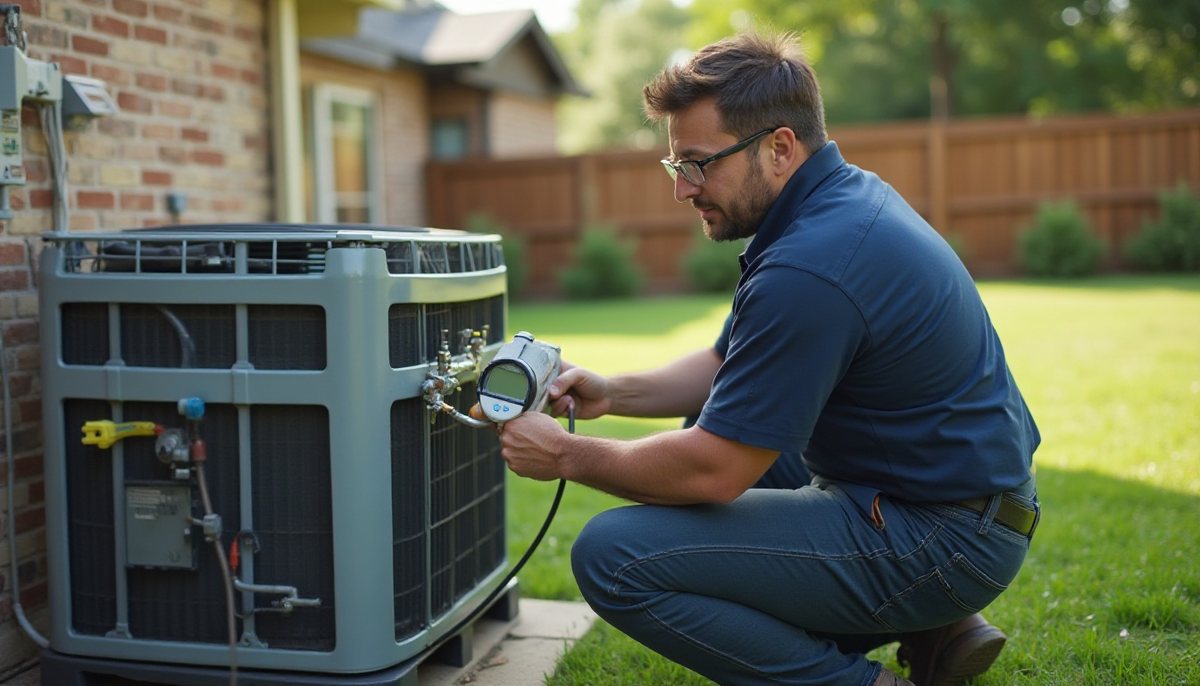
Warm air, a unit that hums but will not start, ice on the lines or water in the ceiling. What a proper diagnosis covers and what to ask before a repair.
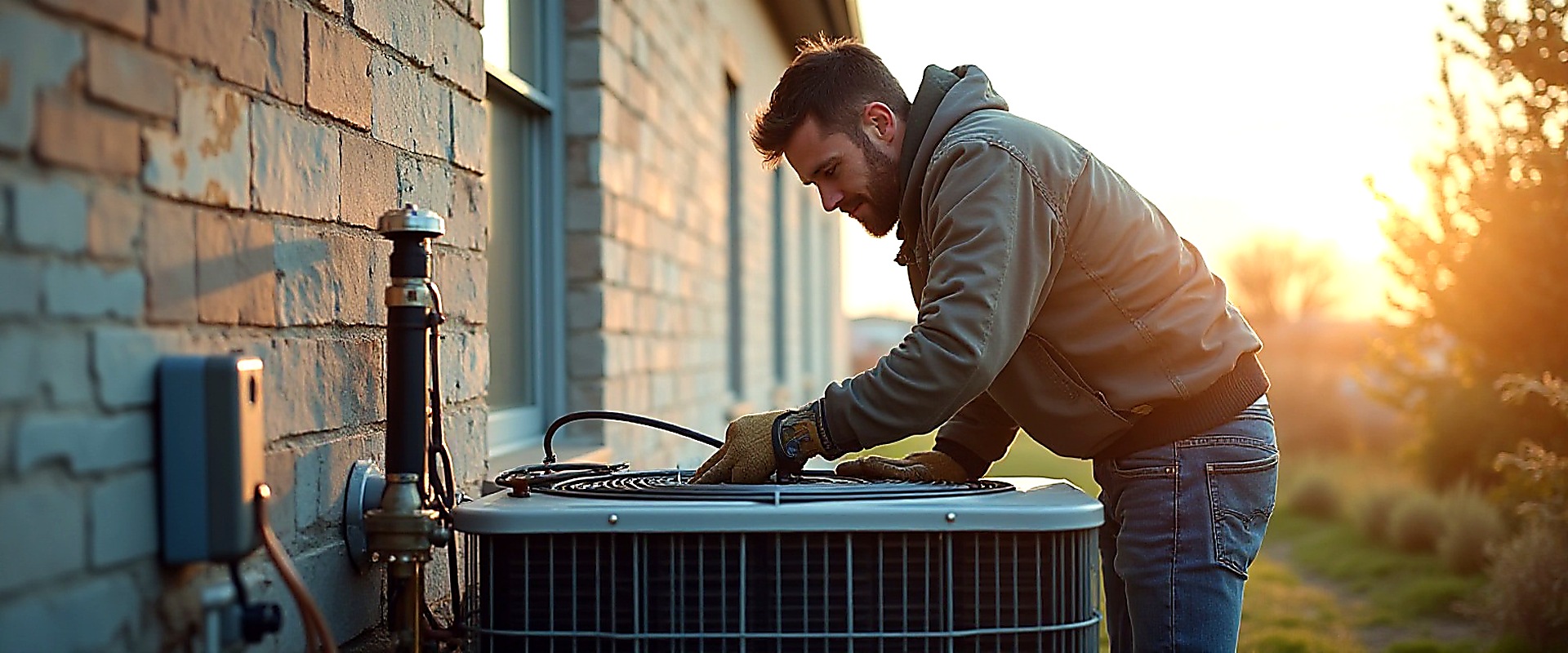
Emergency AC and Heating Repair
No cooling in a 100-degree week or no heat in a freeze. What counts as an emergency, what is safe to check first, and when to leave the house.
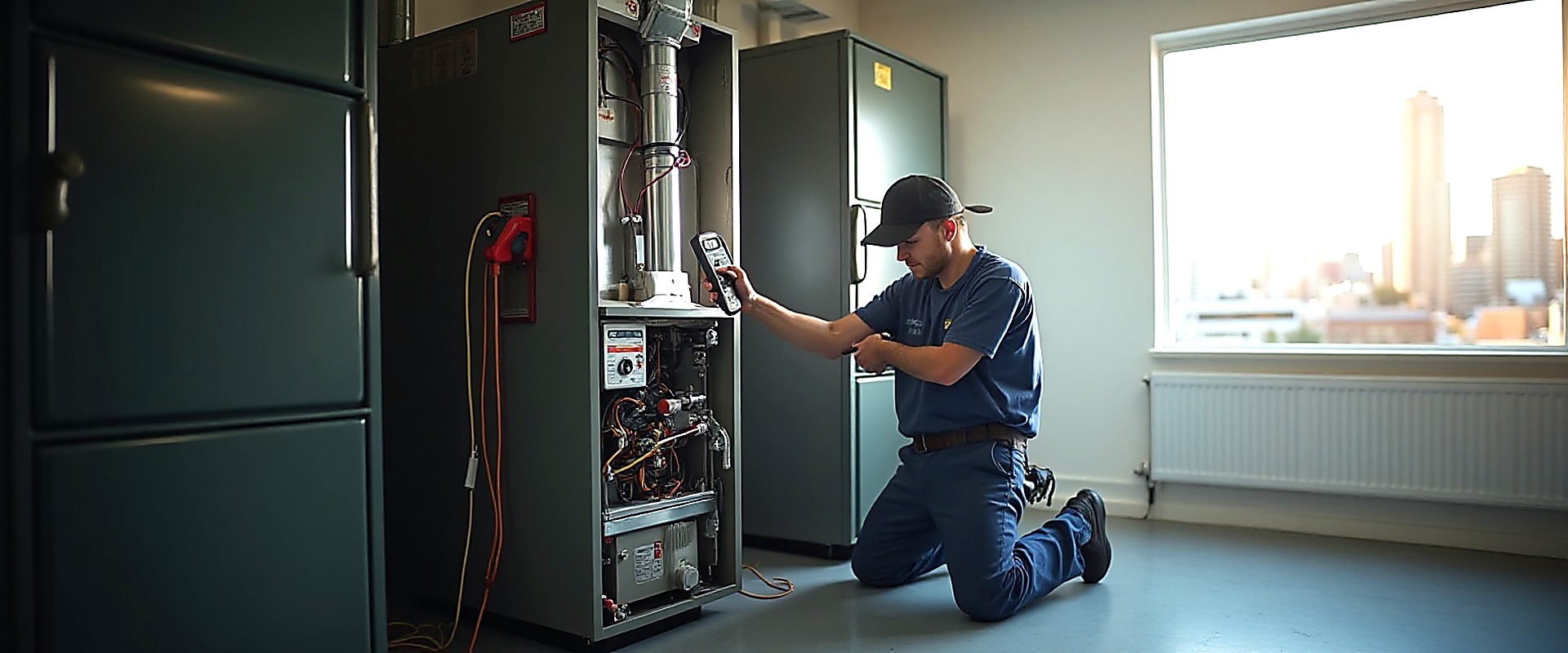
Heating and Furnace Repair
Gas furnaces, heat pumps and emergency heat. Why Austin heating systems fail on the first cold night and what a good technician checks.
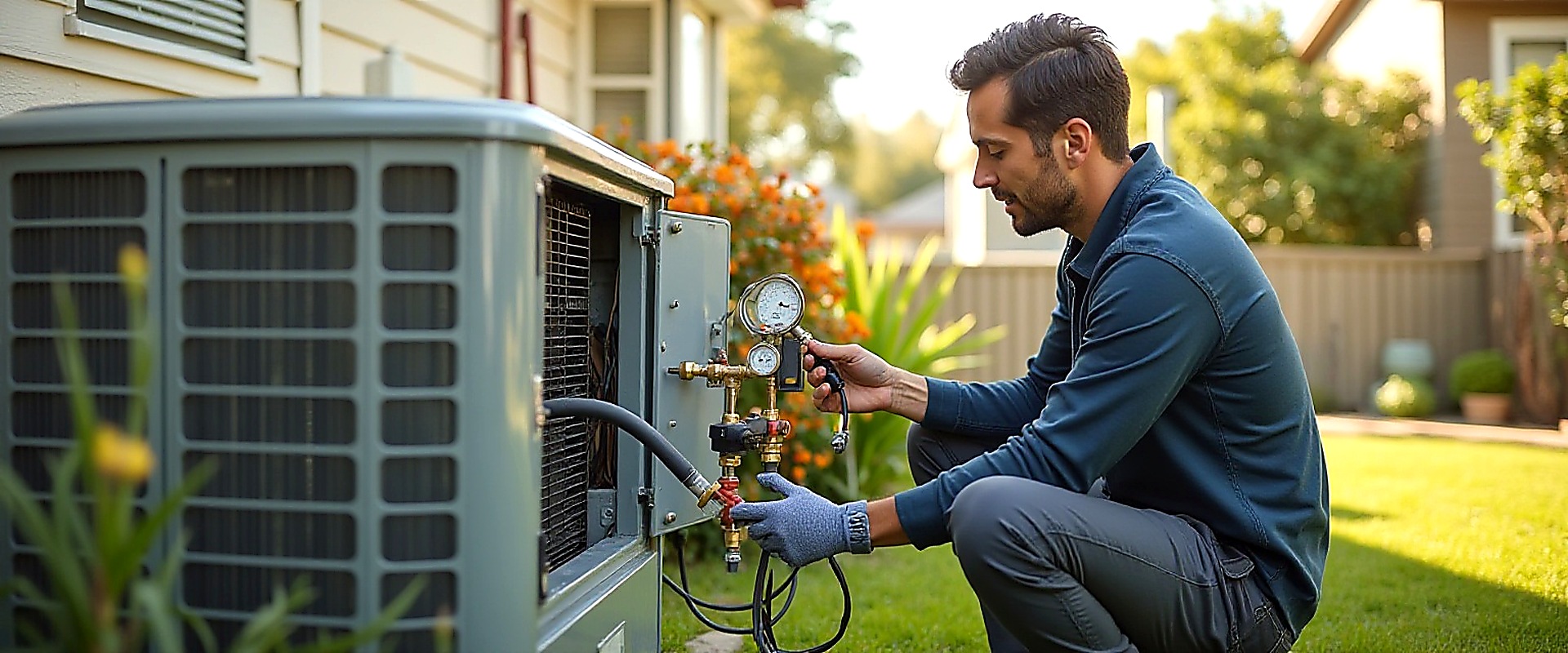
HVAC Maintenance and Tune-Ups
A spring cooling check before the heat and a fall heating check before the first freeze, and what a real tune-up includes.
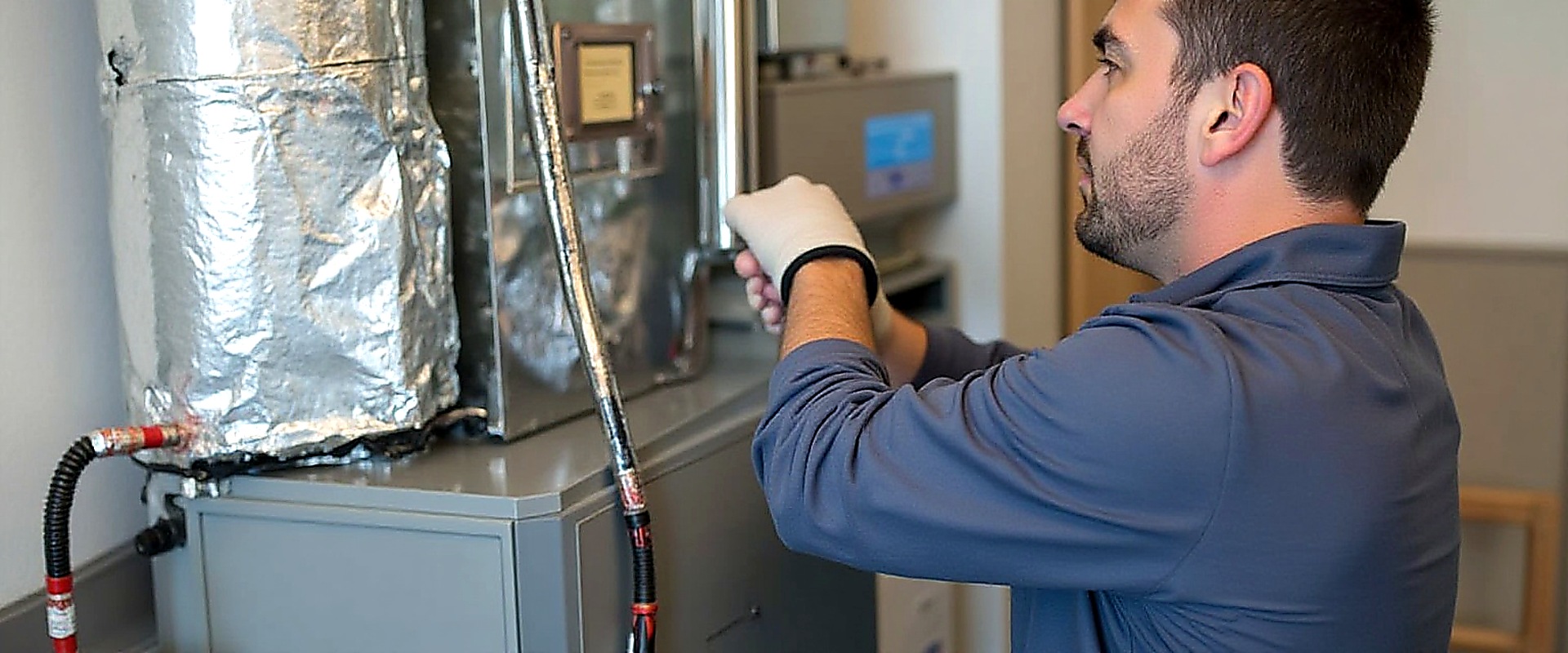
HVAC Inspection
Buying or selling a home, the Austin Energy ECAD audit, and what an HVAC inspection looks at that a general home inspection may not.
Permits for HVAC work in Manor
- Permit officeCity of Manor Development Services Department, 416 Gregg Street.
- What needs oneSeparate trade permits are required for mechanical work, which covers replacing heating and cooling equipment, as well as for electrical and plumbing work.
- How to applySince May 27, 2026 the city takes building permit applications through its GovWell online portal, where inspections are requested and inspection reports can be viewed.
- Outside city limitsSome addresses with a Manor mailing address are outside the city. Ask the contractor which jurisdiction your home is in and what permit or inspection applies.
Winter in Manor
Open prairie means wind, and a hard freeze east of Austin can feel worse than the thermometer says. During Winter Storm Uri in February 2021, Austin's official weather station stayed below freezing for 144 hours straight. If your home heats with a heat pump, it leans on electric backup heat in a freeze, so a system showing "emergency heat" in a cold snap is not always broken. If the house is not holding temperature, or the heat pump is iced solid for hours, call. The heating repair page explains what a technician checks.
If you have gas heat and smell gas, leave the house without touching switches and call your gas utility or 911 from outside. If a carbon monoxide alarm goes off, get everyone out and call 911.
- Call any hourAn automated assistant answers (737) 378-9016 and asks whether it is about cooling or heating.
- Describe the problemGive your name, a callback number, your city or ZIP and what the system is doing.
- Get put throughThe call goes to an independent, locally owned HVAC company, which hears a short summary before it picks up.
- Deal with them directlyThat company diagnoses, quotes, does the work and is paid by you. If it cannot answer, it gets your details to call back.
How this line works: Austin AC Service is a free phone line, not an HVAC company. It does not repair, install, quote or schedule work and holds no license. Calls are transferred to independent, locally owned HVAC companies that hold Texas air conditioning and refrigeration contractor licenses. Those companies may pay Austin AC Service a referral fee. You never pay the line. How it works.